Choosing the Right Dissertation Topic for Your Field of Study Learn strategies for selecting a dissertation topic that aligns with your academic discipline, ensuring relevance, scope, and the potential for original research
 : 427
: 427
Choosing the Right Dissertation Topic for Your Field of Study
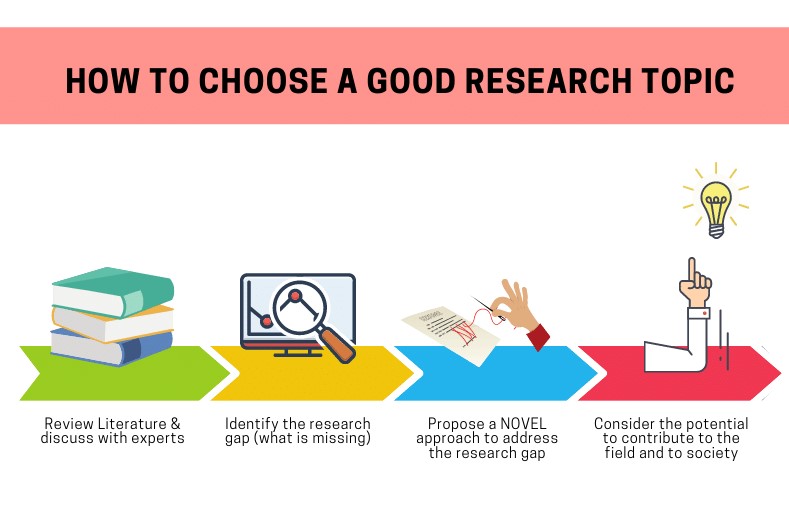
Selecting a dissertation topic is one of the most significant milestones in your academic journey. It is the foundation upon which you build your research, contribute original knowledge to your field, and pave the way for your future academic or professional career. At DissertationAssist.com , we understand that finding the ideal topic can feel overwhelming. This in-depth guide is designed to help you navigate this crucial decision-making process by exploring strategies to select a topic that is not only aligned with your academic discipline but also possesses the relevance , scope, and potential for original research .
Understanding the Importance of Your Dissertation Topic
Your dissertation is more than just a lengthy academic requirement. It is an opportunity to establish your academic identity, demonstrate your expertise, and influence future research within your field. A carefully chosen topic can help you:
- Define Your Academic Identity: The subject of your dissertation reflects your scholarly interests and shapes your future career, whether you continue in academia or pursue opportunities in industry or research.
- Demonstrate Expertise and Passion: By selecting a topic that truly excites you, you’re more likely to invest the necessary time and energy. Your enthusiasm will shine through in your work, making your research both engaging and impactful.
- Contribute to the Field: A well-defined topic that addresses a gap in the literature or offers a fresh perspective can propel your field forward by sparking further research and debate.
Self-Reflection: Know Your Interests and Strengths
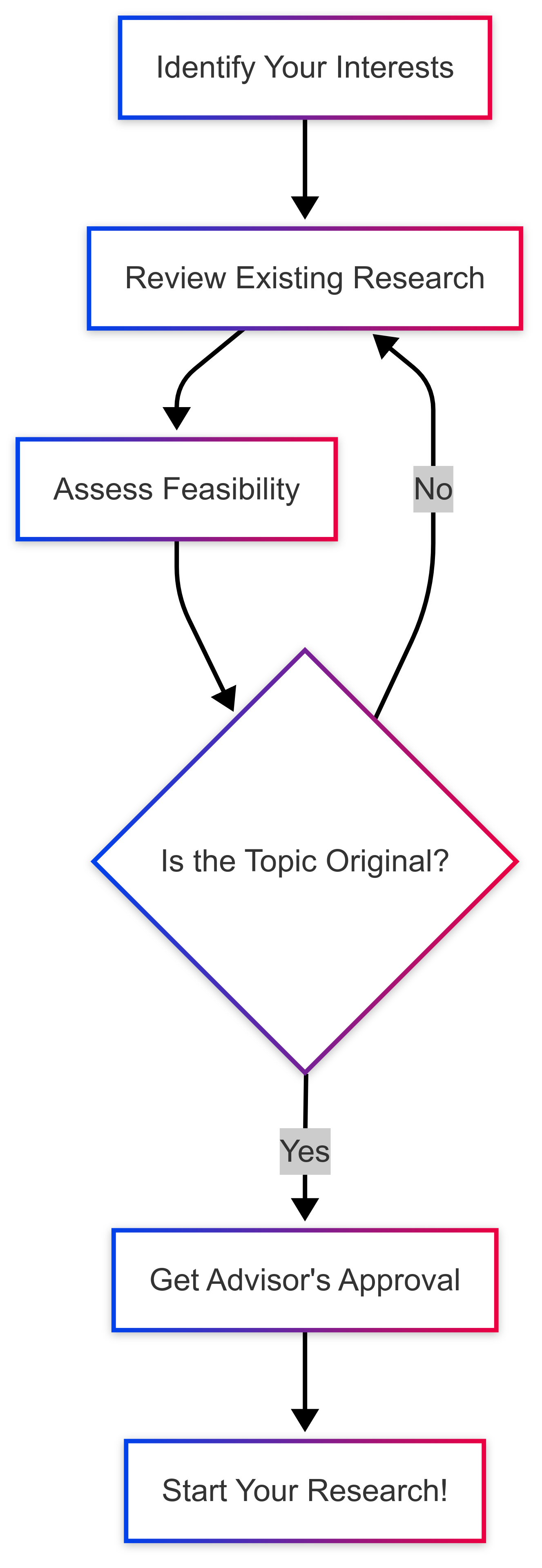
Before diving into research literature or exploring current trends, take time to reflect on your interests and strengths. This self-reflection process is critical for ensuring that your dissertation topic aligns with your passions and capabilities. Consider the following:
-
What Subjects Captivate You?
Identify the topics within your field that genuinely intrigue you. Reflect on the courses and projects that you’ve excelled in and enjoyed the most. -
Where Do Your Strengths Lie?
Evaluate your skills, both academic and research-based. Are you stronger in theoretical analysis, data collection, or qualitative research methods? -
What Are Your Career Aspirations?
Consider your long-term professional goals. How can your dissertation topic help position you for future opportunities in academia, research, or industry?
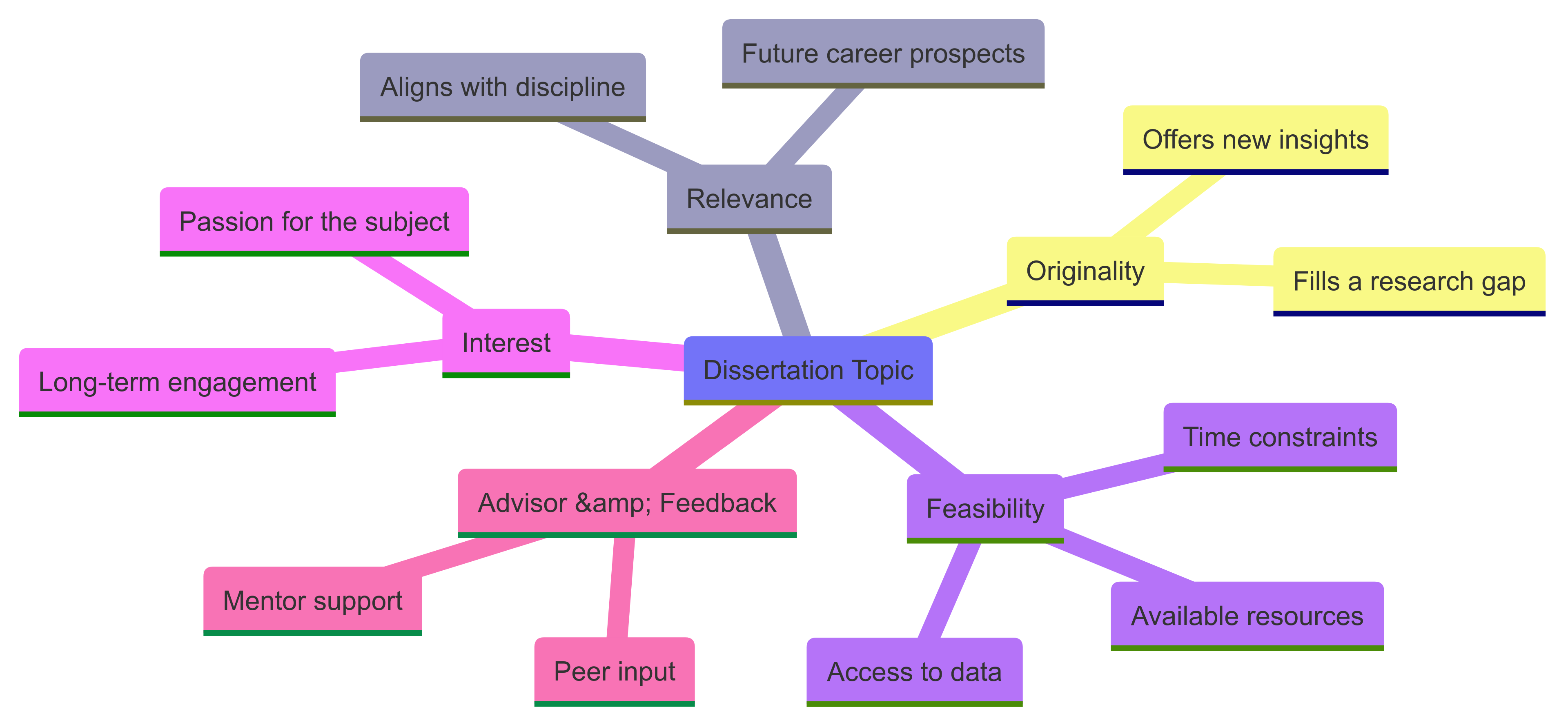
Creating a mind map or a detailed list of potential topics and themes that resonate with you can serve as a valuable starting point for further exploration.
Analyzing Your Field of Study
A deep understanding of your academic discipline is essential when choosing a dissertation topic. Each field has its own methodologies, debates, and research traditions. To analyze your field effectively, consider the following approaches:
Reviewing Core Literature and Course Content
-
Identify Key Theories and Debates:
Familiarize yourself with the foundational theories and ongoing debates in your field. This helps you understand the context in which your research will be situated. -
Recognize Leading Researchers and Publications:
By studying the work of influential scholars, you can identify gaps in the literature or areas ripe for further investigation.
Understanding Methodological Approaches
-
Quantitative vs. Qualitative Methods:
Determine which research methods dominate your discipline. Consider your own strengths and preferences when evaluating whether to adopt a quantitative, qualitative, or mixed-methods approach. -
Innovative Techniques:
Stay updated on emerging methodologies that could offer fresh perspectives or innovative solutions to existing problems.
Considering Interdisciplinary Perspectives
-
Explore Cross-Disciplinary Research:
Modern research often intersects with multiple fields. Consider how combining insights from different disciplines, such as psychology and data science or literature and digital humanities, might open new avenues for exploration. -
Broader Impact:
An interdisciplinary topic not only fills a gap in your own field but can also have far-reaching implications across various academic domains.
Exploring Current Trends and Gaps in Research
A successful dissertation topic is one that addresses current trends or unresolved issues within your field. Here are some strategies to help you identify these areas:
Conducting a Comprehensive Literature Review
-
Review Recent Publications:
Focus on journals, conference proceedings, and academic blogs to identify the latest discussions and debates. Pay particular attention to recent publications that highlight emerging issues. -
Analyze Meta-Analyses and Systematic Reviews:
These comprehensive studies can pinpoint trends and gaps in the literature, providing a solid foundation for your research question.
Participating in Conferences and Seminars
-
Networking with Experts:
Conferences are excellent opportunities to engage with industry experts and academic leaders. This networking can provide insights into current trends and innovative research directions . -
Engaging in Workshops and Panels:
Participating in academic events can expose you to cutting-edge ideas and methodologies, further refining your topic selection.
Utilizing Academic Databases and Online Communities
-
Leverage Academic Tools:
Use databases like Google Scholar, JSTOR , and PubMed to stay current on research outputs in your field. -
Participate in Online Academic Communities:
Platforms like ResearchGate and Academia.edu can help you connect with other researchers and discover ongoing discussions in your area of interest.
Balancing Relevance and Feasibility
One of the biggest challenges in topic selection is finding a balance between relevance to your field and the feasibility of the research project.
Ensuring Relevance
-
Theoretical Contribution:
Your topic should contribute meaningfully to existing theories or propose new theoretical frameworks. Consider how your research might extend or challenge established paradigms. -
Practical Implications:
Think about whether your topic could have real-world applications or influence policy decisions. The practical impact of your research is an important consideration for both academic and industry audiences.
Assessing Feasibility
-
Time Management:
Evaluate whether the scope of your topic is manageable within the timeframe of your doctoral program. A topic that is too broad may become unmanageable, while one that is too narrow may lack depth. -
Resource Availability:
Consider whether you have access to the necessary data, tools, and institutional support. This includes access to relevant databases, software, or laboratories. -
Methodological Suitability:
Ensure that the research methods required for your topic are within your expertise or can be learned within a reasonable period. Choose a topic that matches your methodological strengths.
Brainstorming and Idea Generation Techniques
Generating a pool of potential dissertation topics can be an exciting and creative process. Use these brainstorming techniques to unlock innovative ideas:
Mind Mapping
-
Visual Representation of Ideas:
Start with a central concept related to your field and branch out with related ideas, theories, and questions. A mind map can visually display connections and potential areas of inquiry. -
Identify Intersections:
Notice patterns and intersections between different areas of interest that may lead to a unique dissertation topic.
Free Writing
-
Unstructured Writing:
Allocate a set period to write continuously about your research interests without worrying about grammar or structure. This free writing session can help unearth hidden ideas and spontaneous insights. -
Ask “What If” Questions:
Challenge yourself with hypothetical scenarios and “what if” questions. This practice can inspire innovative research questions that you might not have considered otherwise.
Group Brainstorming
-
Collaborative Sessions:
Engage in discussions with classmates, colleagues, or academic mentors. Group brainstorming can introduce new perspectives and refine your ideas through constructive feedback. -
Diverse Input:
Collaboration encourages diverse viewpoints, which can help you identify potential pitfalls and strengthen your research proposal.
Digital Tools for Idea Organization
-
Idea Management Software:
Use digital tools like Trello, MindMeister , or Evernote to organize your ideas and keep track of potential topics. -
Online Forums and Communities:
Participate in academic forums and research communities online to share ideas and gather feedback from peers worldwide.
Narrowing Down Your Options
Once you have generated a list of potential topics, the next step is to narrow down your choices to the most promising ones. This process involves critical evaluation and prioritization.
Setting Clear Criteria
-
Alignment with Interests:
Your chosen topic must resonate with your personal and academic interests. A topic that genuinely excites you will sustain your motivation throughout the research process. -
Research Gap:
Verify that your topic addresses an unresolved question or a gap in the literature. This gap is the opportunity for you to make a novel contribution. -
Feasibility:
Consider the practical aspects of researching your topic. Do you have the necessary resources and time to complete this project?
Evaluating the Scope of Your Topic
-
Breadth vs. Depth:
Ensure that your topic is not overly broad, which might lead to an unmanageable amount of data, nor too narrow, which might not provide sufficient depth for a comprehensive dissertation. -
Potential for Original Contribution:
Choose a topic that allows for the introduction of new ideas, methodologies, or data. The ability to contribute something unique to your field is paramount.
Using a Decision Matrix
-
List and Rank Options:
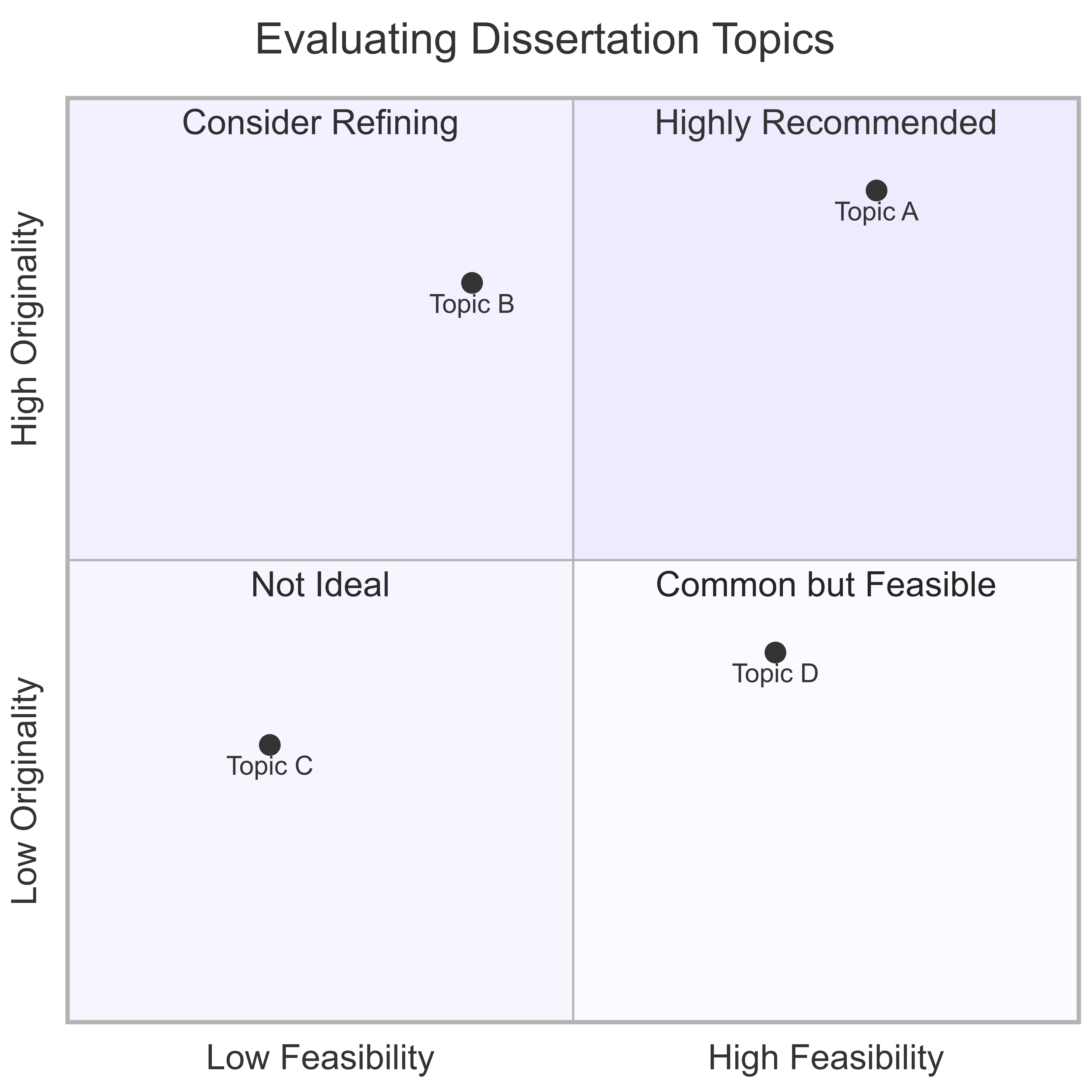
Create a decision matrix that lists each potential topic and evaluates them based on factors such as personal interest, research gap, resource availability, and academic impact. -
Pros and Cons:
For each topic, list the pros and cons . This visual comparison can help clarify which topic best meets your criteria.
Pilot Research
-
Preliminary Literature Review:
Conduct a brief review of the literature for your top choices to gauge the amount and quality of existing research. This pilot step will help you determine the viability of your topic. -
Test Feasibility:
Consider a small-scale study or exploratory research project to see if your topic is feasible within your academic context.
Evaluating the Potential for Original Research
An effective dissertation topic must offer the potential for original research . Here’s how to ensure your chosen topic meets this criterion:
Identifying Gaps in the Literature
-
Unexplored Areas:
Look for aspects within your field that have not been sufficiently studied. These research gaps are opportunities for original contributions. -
Contradictory Findings:
Areas with conflicting results or debates can often be further explored to provide clarity and new insights. -
Emerging Trends:
Focus on recent developments or innovations that open up new avenues of research. Addressing emerging topics can position your work at the forefront of your discipline.
Theoretical and Practical Contributions
-
Advancing Theory:
Consider whether your research can extend existing theories or propose new models. This contribution to theoretical knowledge is highly valued in academia. -
Practical Implications:
Reflect on the potential real-world applications of your research. A topic with clear practical implications may also attract interest from industry or policy-makers.
Innovative Methodological Approaches
-
Unique Techniques:
Explore the possibility of using or developing novel research methods . A distinctive approach can set your dissertation apart from others. -
New Data Sources:
Consider incorporating unique or underutilized data sources that can provide fresh insights into your research question.
Consulting with Advisors and Peers
No research journey is complete without guidance from experienced mentors and collaborative peers. Consulting with others can provide clarity and help refine your ideas.
Advisor Feedback
-
Expert Guidance:
Your academic advisor brings invaluable expertise and experience. They can help you identify the strengths and weaknesses of your ideas. -
Refinement of Concepts:
Advisors can suggest ways to narrow or adjust your topic, ensuring that it is both innovative and manageable. -
Resource Direction:
They can also point you toward key literature, potential funding sources, or other resources that can support your research.
Peer Collaboration
-
Diverse Perspectives:
Discussing your ideas with peers can expose you to different viewpoints, helping you refine your topic further. -
Shared Experiences:
Peers who have navigated similar challenges can offer practical insights and encourage you along the way. -
Feedback and Motivation:
Regular discussions can boost your confidence and help maintain your motivation throughout the dissertation process.
Final Tips and Strategies for Topic Selection
As you finalize your dissertation topic, keep these final strategies in mind to ensure success:
Stay Flexible
-
Adaptability:
Recognize that the topic selection process is iterative . As you delve deeper into your research, be prepared to refine or adjust your topic. -
Openness to New Ideas:
Stay receptive to new insights and feedback, even if it means altering your original plan.
Manage Your Time Effectively
-
Set Clear Milestones:
Break the process into manageable steps, such as initial brainstorming, literature review, and topic refinement. -
Avoid Procrastination:
Starting early ensures that you have ample time for reflection, consultation, and revision.
Consider Long-Term Impact
-
Career Alignment:
Choose a topic that not only meets your dissertation requirements but also aligns with your future academic or professional goals . -
Publication Potential:
A well-chosen topic can lead to publishable research, enhancing your academic profile and opening up further opportunities.
Trust Your Instincts
-
Follow Your Passion:
Genuine enthusiasm for your topic will drive the quality of your research. Trust that your intellectual curiosity will lead you to meaningful insights. -
Confidence in Your Ideas:
Believe in the uniqueness of your perspective. Your individual insights are valuable and can make a significant contribution to your field.
Conclusion
Choosing the right dissertation topic is a balancing act that involves careful consideration of your interests, the demands of your field, and the practicalities of conducting research. By engaging in self-reflection, thoroughly analyzing your discipline, staying abreast of current trends, and seeking guidance from advisors and peers, you can select a topic that not only addresses a critical research gap but also positions you for academic and professional success.
Your dissertation is more than a degree requirement—it’s an opportunity to demonstrate your critical thinking, innovative research capabilities , and your ability to contribute original insights to your field. With a well-chosen topic, you embark on a research journey that can pave the way for future achievements and lasting impact.
At DissertationAssist.com, we are committed to supporting you every step of your academic journey. Whether you need help refining your topic, developing your research proposal, or navigating the challenges of dissertation writing, our team is here to assist you. Embrace this exciting phase of your academic career, and let your passion guide you toward a topic that will serve as the cornerstone of your future success.