
Expert Sustainable Agriculture Dissertation Help
 Introduction
Sustainable agriculture is more than just a method of farming—it’s a holistic approach aimed at meeting current food needs without compromising the ability of future generations to meet theirs. As global populations rise, environmental challenges intensify, and resource constraints become more apparent, sustainable agriculture practices have taken center stage in research and policy discussions. A well-crafted dissertation in Sustainable Agriculture examines innovative farming techniques, resource-efficient practices, soil conservation, integrated pest management, water use optimization, and renewable energy integration. It offers insights that can help farmers, policymakers, and businesses transition toward more resilient, environmentally friendly, and economically viable food systems.
At DissertationAssist.com, we understand that developing a dissertation in Sustainable Agriculture is both a challenging and transformative journey. It requires an interdisciplinary approach that combines agronomy, ecology, environmental science, economics, and policy studies. Our team of experienced academics, agricultural researchers, and professional writers is dedicated to supporting you at every step—from refining your research topic and conducting an exhaustive literature review to designing your methodology, analyzing complex data, and preparing your final document for submission. Our comprehensive, personalized services are tailored to meet the highest academic standards while addressing the practical challenges of sustainable food production and natural resource management.
This webpage provides an in-depth overview of our Sustainable Agriculture Dissertation Help services. We outline the unique challenges inherent in sustainable agriculture research, detail our proven step-by-step process, and demonstrate how our expert guidance can help you produce a dissertation that not only advances scholarly debates but also offers actionable recommendations for creating resilient and sustainable farming systems.
Understanding Sustainable Agriculture Dissertation Challenges
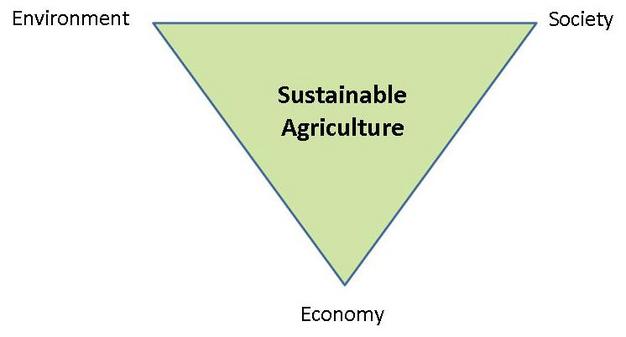
What Is Sustainable Agriculture Research?Sustainable agriculture research investigates the methods and practices that promote environmentally responsible, economically viable, and socially equitable food production systems. This interdisciplinary field covers a range of topics, including:
-
Soil Health and Nutrient Management:
Studying the impact of organic amendments, crop rotation, and conservation tillage on soil fertility and long-term productivity. -
Water Use and Irrigation Efficiency:
Evaluating strategies for optimizing water use, including drip irrigation, rainwater harvesting, and water-conserving cropping systems. -
Integrated Pest Management (IPM):
Exploring eco-friendly approaches for controlling pests and diseases, reducing reliance on chemical pesticides, and maintaining ecological balance. -
Agroecology and Biodiversity:
Investigating how diversified cropping systems, intercropping, and the integration of livestock can enhance ecosystem services and resilience. -
Renewable Energy Integration in Farming:
Assessing the use of solar, wind, and bioenergy to power agricultural operations, reduce carbon footprints, and improve energy self-sufficiency. -
Climate-Smart Agriculture:
Developing practices that help farmers adapt to climate change, reduce greenhouse gas emissions, and build resilient agricultural systems. -
Economic and Social Dimensions of Sustainability:
Analyzing the socioeconomic impacts of sustainable practices on rural communities, market dynamics, and policy frameworks.
A robust Sustainable Agriculture dissertation integrates theoretical frameworks with empirical evidence, employing quantitative, qualitative, or mixed methods to address multifaceted questions. Your research should incorporate the latest technological and ecological advancements while addressing longstanding challenges in resource management, environmental conservation, and food security.
Unique Challenges in Sustainable Agriculture Dissertation ResearchCrafting a dissertation in Sustainable Agriculture presents several unique challenges:
-
Interdisciplinary Integration:
Sustainable agriculture research spans agronomy, ecology, environmental economics, and policy studies. Successfully synthesizing these diverse perspectives into a coherent study requires a broad knowledge base and the ability to integrate interdisciplinary insights. -
Rapidly Changing Environmental Conditions:
Climate variability, soil degradation, water scarcity, and pest pressures are dynamic and region-specific. Designing research that accounts for these fluctuating conditions can be complex and demands robust experimental designs. -
Complex Field and Laboratory Data:
Research often involves collecting and analyzing large volumes of field data—from soil samples and crop yields to remote sensing and weather data—as well as laboratory experiments on plant physiology and nutrient cycling. Managing and interpreting these datasets requires advanced statistical techniques and digital tools. -
Technological Advancements:
The adoption of precision agriculture tools, remote sensing, and data analytics is transforming farming practices. Incorporating the latest technological innovations into your research methodology is essential for staying relevant and impactful. -
Ethical and Social Considerations:
Research involving farming communities and natural resources must consider ethical issues such as land rights, cultural practices, and social equity. Ensuring informed consent, community engagement, and responsible data collection is vital. -
Bridging Theory and Practice:
Your dissertation should contribute to academic debates while offering practical recommendations for farmers, policymakers, and industry stakeholders. Balancing scholarly rigor with real-world applicability is a key challenge.
At DissertationAssist.com, we understand these challenges and have developed specialized strategies to support you throughout your Sustainable Agriculture dissertation journey. Our expert guidance ensures that your work is methodologically robust, scientifically rigorous, and practically significant, contributing to sustainable and resilient agricultural systems worldwide.
Our Sustainable Agriculture Dissertation Help Services
Personalized Consultation and Topic SelectionEvery transformative dissertation begins with a unique and compelling research topic. Our personalized consultation services help you:
-
Identify Emerging Trends:
We work with you to explore cutting-edge issues in sustainable agriculture—from precision farming and organic practices to agroforestry and climate-smart techniques—to ensure your topic is innovative and relevant. -
Assess Research Gaps:
Through comprehensive literature reviews and in-depth discussions, we help you pinpoint gaps in existing research where your dissertation can offer novel insights. Whether your focus is on soil health, water management, or socioeconomic impacts, we ensure your topic fills a critical void. -
Refine Your Research Questions:
Our experts collaborate with you to develop clear, focused research questions and hypotheses that form the foundation of your study. This process ensures that your research objectives are well-defined, measurable, and aligned with both academic debates and practical needs. -
Tailor the Scope:
Whether your research is concentrated on a specific region, crop system, or technological intervention, we assist you in defining a manageable scope that allows for in-depth analysis and significant contributions.
Our one-on-one consultations ensure that you embark on your dissertation journey with a topic that is intellectually stimulating, methodologically robust, and aligned with your academic and professional goals.
Comprehensive Literature Review and Theoretical FrameworkA thorough literature review is essential for establishing the scholarly foundation of your dissertation. Our services in this phase include:
-
Extensive Source Compilation:
We guide you in identifying key academic journals, seminal texts, government reports, and case studies in sustainable agriculture. Our extensive resource network ensures that your literature review is comprehensive, current, and authoritative. -
Critical Synthesis:
Our experts assist you in integrating diverse theoretical perspectives—from soil science and ecology to environmental economics and rural sociology—to build a robust framework that underpins your research. -
Identification of Research Gaps:
Through critical analysis of existing literature, we help you pinpoint areas where your research can contribute original insights and address unresolved challenges in sustainable agriculture practices. -
Organized Structuring:
We provide step-by-step guidance on organizing your literature review so that it logically supports your research methodology and overall argument, creating a coherent narrative for your study.
This rigorous literature review process lays a solid academic foundation for your dissertation and positions your work as a significant contribution to Sustainable Agriculture research.
Research Design and Methodology DevelopmentDesigning a robust research methodology is vital for addressing complex questions in sustainable agriculture. Our expert team supports you in:
-
Selecting Appropriate Methods:
We help you determine whether to adopt quantitative methods (e.g., field experiments, surveys, statistical analysis) or qualitative approaches (e.g., interviews, ethnographic studies, case studies) —or a mixed-methods strategy tailored to your research questions. -
Developing Robust Models:
Our experts assist you in constructing experimental designs, simulation models, and analytical frameworks that capture the multifaceted nature of sustainable agriculture—from soil nutrient dynamics and water use efficiency to crop productivity and rural livelihoods. -
Data Collection Strategies:
We provide guidance on gathering high-quality data from diverse sources, including field samples, remote sensing, digital surveys, and institutional records, ensuring that your data collection adheres to rigorous academic and ethical standards. -
Ensuring Replicability:
Our team works with you to design your study so that your methodology is transparent, logically sound, and capable of producing replicable, robust results that can be validated by other researchers. -
Pilot Testing:
If applicable, we support pilot testing to refine your research instruments and validate your approach before full-scale implementation, reducing uncertainty and enhancing data reliability.
This phase ensures that your study is methodologically robust, tailored to the unique challenges of sustainable agriculture research, and capable of generating impactful and reliable insights.
Data Analysis and Interpretation SupportThe data analysis phase transforms your research findings into meaningful insights. Our support in this area includes:
-
Advanced Analytical Tools:
We assist you in using state-of-the-art software tools—such as SPSS, R, Python, GIS, and specialized agricultural data analysis platforms—to process and analyze your data accurately and efficiently. -
Sophisticated Analytical Techniques:
Our experts help you apply rigorous statistical methods, regression analysis, thematic coding, and simulation modeling to extract actionable insights from complex datasets. -
Data Visualization:
We guide you in creating clear, compelling visual representations—such as graphs, charts, maps, and dashboards—that effectively communicate your findings to both academic audiences and industry practitioners. -
Interpreting Results:
Work closely with our experts to interpret your data within the context of existing literature and theoretical frameworks, ensuring that your conclusions are robust, insightful, and directly linked to your research objectives. -
Developing Practical Recommendations:
Translate your research findings into actionable recommendations for farmers, policymakers, agribusinesses, and extension services, ensuring that your dissertation has tangible, real-world impact on sustainable agricultural practices.
Our data analysis and interpretation services ensure that your research findings are presented with clarity, precision, and academic rigor, forming the core contribution of your dissertation.
Writing, Editing, and ProofreadingThe final stage of your dissertation journey is transforming your research into a polished, cohesive document. Our comprehensive writing support services include:
-
Structured Drafting:
Collaborate with our expert writers to develop a well-organized dissertation that includes an engaging introduction, comprehensive literature review, detailed methodology, robust analysis, thoughtful discussion, and a compelling conclusion. -
Expert Editing:
Our team provides meticulous editing to refine your arguments, enhance clarity, and ensure your writing meets the highest academic standards—all while preserving your unique scholarly voice and practical insights. -
Thorough Proofreading:
We carefully proofread your document to eliminate any grammatical, punctuation, or formatting errors, resulting in a polished, professional final dissertation. -
Revision and Feedback:
Engage in multiple rounds of revisions and feedback sessions with our experts until your dissertation is cohesive, persuasive, and ready for submission.
Our collaborative writing, editing, and proofreading services guarantee that your final document is a refined, compelling work that effectively communicates your research findings and scholarly contributions.
Final Review and Submission GuidanceAs you approach the final stages of your dissertation journey, our support continues with:
-
Holistic Review:
Our experts conduct a comprehensive review of your entire dissertation to ensure consistency, coherence, and strict adherence to your institution’s guidelines. -
Formatting and Citation Assistance:
We provide detailed guidance on formatting your dissertation according to the required academic style (APA, MLA, Chicago, etc.) and ensuring that all references and citations are accurate and complete. -
Submission Strategy:
Receive step-by-step guidance on the submission process, including strategies for managing committee feedback, preparing for your defense, and finalizing your document for approval. -
Post-Submission Support:
Even after submission, we remain available to assist with any additional revisions or queries from your academic board, ensuring that your work meets all expectations.
This final review and submission support guarantees that your dissertation is submission-ready, professionally presented, and a true reflection of your academic excellence.
Our Proven Process: Step-by-Step to Dissertation Success
Step 1: Initial ConsultationYour journey with DissertationAssist.com begins with a personalized consultation during which we:
- Discuss your academic background, research interests, and previous work in Sustainable Agriculture.
- Identify the specific challenges you face and the unique needs of your dissertation.
- Outline potential research questions and objectives tailored to your interests and career goals.
- Establish clear milestones and set expectations for every stage of the process.
This initial phase sets the stage for a customized approach that perfectly aligns with your academic and professional aspirations.
Step 2: Customized Project Proposal and PlanningBased on our initial consultation, we work with you to develop a detailed project proposal and work plan that includes:
- A clear statement of your research objectives, questions, and hypotheses.
- A comprehensive timeline outlining each stage of your project—from literature review and research design to data collection, analysis, and writing.
- A risk management plan addressing potential challenges, such as data access limitations, field variability, or evolving sustainability practices.
- Regular progress updates and adjustments to the plan as needed, ensuring that you remain organized and on schedule throughout your dissertation journey.
Our transparent planning process provides you with a clear roadmap, enabling you to manage your time effectively and meet your deadlines without compromising quality.
Step 3: In-Depth Literature Review and Theoretical FrameworkWith your project plan in place, we guide you through the critical phase of developing a robust literature review:
- Identifying Key Sources:
We help you compile seminal texts, current research articles, government reports, and case studies in sustainable agriculture, ensuring that your literature review is comprehensive and authoritative. - Critical Synthesis:
Our experts assist in integrating diverse theoretical perspectives—from agroecology and soil science to environmental economics and policy analysis—to build a comprehensive framework that underpins your research. - Gap Analysis:
Together, we identify gaps in the existing literature, ensuring that your dissertation offers original contributions and addresses unresolved challenges in sustainable farming practices. - Organized Structuring:
We provide guidance on organizing your literature review logically and coherently so that it forms a strong foundation for your research methodology and overall argument.
This rigorous literature review process lays a solid academic foundation for your dissertation and positions your work as a significant contribution to Sustainable Agriculture research.
Step 4: Research Design and Methodology ImplementationNext, we focus on designing and implementing a rigorous research methodology:
- Method Selection:
We help you decide whether to adopt quantitative methods (e.g., field experiments, surveys, statistical analysis) or qualitative approaches (e.g., interviews, ethnographic studies, focus groups) or a mixed-methods strategy tailored to your research questions. - Study Design:
Collaborate with our experts to design your study—whether it involves testing innovative agricultural practices, analyzing resource efficiency, or evaluating environmental impacts—to capture the multifaceted nature of sustainable agriculture. - Data Collection Strategy:
Identify and secure high-quality data from diverse sources, including field measurements, remote sensing, laboratory analysis, and digital surveys, ensuring that your data collection adheres to rigorous academic and ethical standards. - Ensuring Replicability:
Our team assists in designing your study so that your methodology is transparent, logically sound, and capable of producing replicable, robust results validated by peer researchers. - Pilot Testing:
If applicable, we support pilot testing to refine your research instruments and validate your approach before full-scale implementation, reducing uncertainty and enhancing data reliability.
This phase ensures that your study is methodologically robust, tailored to the unique challenges of sustainable agriculture research, and capable of generating impactful insights.
Step 5: Data Collection, Analysis, and InterpretationWith your methodology in place, our focus shifts to the empirical phase:
- Systematic Data Collection:
We guide you through the systematic collection of high-quality, reliable data from multiple sources, ensuring that your dataset is comprehensive and representative of the agricultural systems and environmental variables under investigation. - Analytical Techniques:
Our experts assist you in applying advanced analytical techniques—using statistical software, simulation models, and qualitative coding methods—to extract meaningful insights from your data. - Data Visualization:
Create clear and compelling visual aids—such as graphs, charts, maps, and dashboards—that effectively communicate your findings to both academic audiences and industry practitioners. - Interpreting Results:
Work closely with our experts to interpret your data within the context of existing literature and theoretical frameworks, ensuring that your conclusions are robust, insightful, and directly linked to your research objectives. - Developing Recommendations:
Translate your research findings into actionable recommendations for farmers, policymakers, and agribusinesses, ensuring that your dissertation has tangible, real-world impact on sustainable agriculture practices.
This phase transforms your raw data into a coherent narrative of results and insights, forming the core contribution of your dissertation.
Step 6: Writing, Editing, and Final Draft PreparationAfter your analysis is complete, the focus turns to writing your dissertation:
- Structured Drafting:
Collaborate with our expert writers to develop a well-organized document that includes an engaging introduction, comprehensive literature review, detailed methodology, robust analysis, thoughtful discussion, and a compelling conclusion. - Expert Editing:
Our team provides meticulous editing to refine your arguments, improve clarity, and ensure your writing meets the highest academic standards—all while preserving your unique scholarly voice and practical insights. - Thorough Proofreading:
We carefully proofread your document to eliminate any grammatical, punctuation, or formatting errors, resulting in a polished, professional final dissertation. - Revision and Feedback:
Engage in multiple rounds of revisions and feedback sessions with our experts until your dissertation is cohesive, persuasive, and ready for submission.
Our collaborative writing, editing, and proofreading services guarantee that your final document is a refined, compelling work that effectively communicates your research findings and scholarly contributions.
Step 7: Final Review, Submission, and Post-Submission SupportIn the final stage of your dissertation journey, our support continues with:
- Holistic Review:
Our experts conduct a comprehensive review of your entire dissertation to ensure consistency, coherence, and strict adherence to your institution’s guidelines. - Formatting and Citation Assistance:
We provide detailed guidance on formatting your dissertation according to the required academic style (APA, MLA, Chicago, etc.) and ensuring that all references and citations are accurate and complete. - Submission Strategy:
Receive step-by-step guidance on the submission process, including strategies for managing committee feedback, preparing for your defense, and finalizing your document for approval. - Post-Submission Support:
Even after submission, we remain available to assist with any additional revisions or queries from your academic board, ensuring that your work meets all expectations.
This final review and submission support guarantees that your dissertation is submission-ready, professionally presented, and a true reflection of your academic excellence.
Meet Our Expert Team
At DissertationAssist.com, our team comprises highly qualified academics, sustainable agriculture researchers, and professional writers with extensive experience in agronomy, environmental science, rural sociology, and policy analysis. Here’s what sets our experts apart:
- Advanced Academic Credentials:
Our consultants hold advanced degrees (PhD, MSc) in Sustainable Agriculture, Agronomy, Environmental Science, and related fields, ensuring that you receive guidance rooted in the latest research and innovative practices. - Interdisciplinary Expertise:
With backgrounds spanning agricultural sciences, ecology, economics, and social studies, our team integrates diverse perspectives to provide comprehensive support tailored to the complexities of sustainable agriculture research. - Technical and Analytical Proficiency:
Proficient in advanced research methodologies, statistical analysis, and digital data management, our experts are well-equipped to help you navigate complex datasets, field experiments, and simulation models. - Commitment to Excellence:
We are dedicated to helping you produce an original, high-quality dissertation that meets rigorous academic standards while contributing valuable insights to the field of sustainable agriculture. - Personalized Support:
Recognizing that every dissertation is unique, we tailor our services to your specific research needs and academic goals, providing one-on-one guidance throughout your journey.
Our team’s blend of academic rigor, technical expertise, and personalized attention makes us the ideal partner for your Sustainable Agriculture dissertation.
Why Choose DissertationAssist.com for Your Sustainable Agriculture Dissertation?
Choosing the right partner can transform a challenging dissertation process into a manageable and rewarding experience. Here’s why DissertationAssist.com is the premier choice for Sustainable Agriculture dissertation help:
Unparalleled ExpertiseOur team combines deep theoretical knowledge with extensive practical experience in sustainable agriculture research and environmental management. This dual insight ensures that your dissertation is both academically rigorous and highly relevant to the current challenges and innovations in sustainable food production.
Customized, One-on-One GuidanceWe offer personalized consultations and tailored project plans designed to address your unique research interests and challenges. With our dedicated support, you’re never alone on your dissertation journey.
Comprehensive, End-to-End ServiceFrom topic selection and literature review to research design, data analysis, writing, editing, and final submission support, our full-spectrum service covers every aspect of your dissertation process—ensuring that no detail is overlooked.
Commitment to Quality and OriginalityWe pride ourselves on producing original, meticulously researched dissertations that meet the highest academic standards. Our rigorous editing and proofreading processes guarantee that your final document is polished and professionally presented.
Timely Delivery and Transparent CommunicationOur structured process includes clearly defined milestones and regular progress updates, ensuring you remain on track and meet your deadlines without compromising quality.
Competitive Pricing and Reliable SupportOur high-quality academic support is offered at competitive prices, making expert assistance accessible without straining your budget. Transparent communication and ongoing support ensure you always know what to expect.
Success Stories and Testimonials
Our clients’ success is our greatest reward. Here are a few testimonials from students who have benefited from our Sustainable Agriculture dissertation help services:
“DissertationAssist.com transformed my dissertation process. Their expert guidance in integrating sustainable farming practices with advanced agronomic research enabled me to produce a dissertation that exceeded my advisor’s expectations.”
– Dr. Maria K., PhD Candidate in Sustainable Agriculture
“I struggled with complex field experiments and data analysis for my study on soil health. The team at DissertationAssist.com provided comprehensive support that resulted in a highly rigorous and well-structured final dissertation.”
– James L., Master’s Student in Environmental Science
“Their personalized approach and interdisciplinary expertise were invaluable. My dissertation not only met academic standards but also offered actionable recommendations for promoting sustainable agricultural practices in rural communities.”
– Aisha M., PhD Candidate in Agronomy
These testimonials underscore our commitment to excellence and our ability to provide tailored, comprehensive support throughout your Sustainable Agriculture dissertation journey.
Frequently Asked Questions (FAQs)
What type of assistance do you offer for a Sustainable Agriculture dissertation?We offer a complete range of services—from topic selection, literature review, and research design to data analysis, writing, editing, and final submission support—specifically tailored for sustainable agriculture research.
How do you ensure the originality and quality of my dissertation?Our team adheres to strict academic standards and employs reliable plagiarism detection tools to ensure that your dissertation is 100% original. We create custom, meticulously researched content that meets the highest quality benchmarks.
Can you help integrate both quantitative and qualitative research methods in my study?Absolutely. Our experts have extensive experience in both quantitative data analysis and qualitative research methodologies, and we can help you integrate these approaches to produce a comprehensive and robust dissertation.
What is the typical turnaround time for your services?The timeline depends on the complexity of your project and the specific services required. During our initial consultation, we will discuss your deadlines and develop a customized work plan that ensures timely delivery without compromising quality.
How do I get started with DissertationAssist.com?Simply contact us via our website or call our dedicated support hotline. One of our academic consultants will schedule an initial consultation to discuss your project requirements and explain how we can support you throughout your dissertation journey.
Is my personal and academic information kept confidential?Yes, confidentiality is our top priority. We adhere to strict privacy policies to ensure that all your personal and academic information remains secure throughout our engagement.
Tips for Maximizing Your Dissertation Success in Sustainable Agriculture
While our expert team is here to support you, here are some additional tips to help ensure your dissertation stands out:
- Start Early and Plan Meticulously:
Develop a detailed timeline with clear milestones for each stage of your project. Early planning reduces stress and ensures thorough preparation. - Stay Current with Technological and Ecological Innovations:
Sustainable agriculture is a rapidly evolving field. Keep up with the latest research, digital tools, and innovative farming practices to ensure your work remains cutting-edge. - Engage with the Academic and Farming Communities:
Attend conferences, participate in webinars, and join professional networks in sustainable agriculture to gain insights from experts and peers. This engagement can provide valuable feedback and help refine your research questions. - Seek Continuous Feedback:
Regularly share drafts with your advisor and our expert consultants. Constructive feedback is essential for refining your arguments, strengthening your analysis, and ensuring clarity. - Balance Theory and Practice:
Ensure that your dissertation contributes to academic literature while offering actionable recommendations for farmers, policymakers, and agribusinesses. - Leverage Advanced Digital Tools:
Utilize specialized software for data analysis, simulation modeling, and visualization to organize your research and streamline your writing process. - Maintain a Healthy Work-Life Balance:
Writing a dissertation is a marathon, not a sprint. Prioritize self-care, take regular breaks, and manage your time effectively to sustain productivity and mental well-being.
Get Started Today
If you are ready to elevate your Sustainable Agriculture dissertation and contribute valuable insights to the future of sustainable farming practices and environmental stewardship, DissertationAssist.com is here to help. Our comprehensive, personalized approach ensures that you receive expert guidance at every stage—from the initial idea through to the final submission. With our deep interdisciplinary expertise and unwavering commitment to excellence, you can overcome the challenges of your dissertation and produce a work that not only meets academic standards but also drives innovation in sustainable agriculture.
Take the first step toward academic excellence. Contact us today via our website or call our dedicated support hotline to schedule your initial consultation. Let DissertationAssist.com help you transform your academic challenges into opportunities for success and establish yourself as a leader in Sustainable Agriculture research.
Conclusion
A Sustainable Agriculture dissertation is both a formidable challenge and a unique opportunity to explore innovative strategies that promote ecological balance, economic viability, and social responsibility in farming systems. It requires the integration of advanced theoretical knowledge, rigorous research methodologies, and practical applications to produce work that is academically robust and directly relevant to modern agricultural practices. At DissertationAssist.com, we are committed to guiding you through every stage of this complex process. Our comprehensive services—from personalized consultations and extensive literature reviews to robust data analysis and meticulous editing—ensure that your dissertation meets the highest academic standards while providing actionable recommendations for advancing sustainable agriculture.
Your academic journey in Sustainable Agriculture is a crucial investment in your future and in the development of resilient, eco-friendly food systems worldwide. With our expert guidance, technical expertise, and personalized support, you can confidently navigate the complexities of your research and produce a dissertation that not only advances scholarly debates but also drives real-world improvements in sustainable farming practices. Trust DissertationAssist.com to be your partner in achieving scholarly excellence and paving the way for a successful career in Sustainable Agriculture research.
Thank you for considering our services. We look forward to helping you achieve your academic goals and contributing to your success in the ever-evolving field of Sustainable Agriculture research.
This comprehensive guide provides an in-depth overview of how DissertationAssist.com can support your Sustainable Agriculture dissertation journey. With expert guidance, personalized support, and a commitment to excellence, we’re here to help you turn your academic challenges into opportunities for success.
Below are 300 detailed dissertation topics for Sustainable Agriculture. Each topic is followed by a concise description to help you pinpoint a focused research area for your dissertation.
-
Evaluating Organic Farming Practices for Soil Health Improvement
Investigate how organic amendments, crop rotations, and conservation tillage enhance soil fertility, microbial diversity, and long-term productivity while reducing synthetic input reliance. -
Water Use Efficiency in Drip Irrigation Systems
Examine the effectiveness of drip irrigation in conserving water, improving crop yields, and reducing evaporative losses compared to traditional irrigation methods in arid regions. -
Integrated Pest Management in Organic Farming
Analyze the effectiveness of biological control agents, cultural practices, and reduced pesticide use in managing pests sustainably while maintaining crop health and yield. -
Agroforestry Systems and Their Impact on Biodiversity
Investigate how integrating trees with crops and livestock enhances biodiversity, soil conservation, and microclimate regulation, contributing to sustainable farm ecosystems. -
Climate-Smart Agriculture: Adapting to Changing Weather Patterns
Examine innovative strategies that enable farmers to adapt to climate variability, optimize resource use, and build resilience against extreme weather events. -
Sustainable Crop Rotation Models for Enhanced Productivity
Analyze the effects of diverse crop rotations on soil nutrient cycling, weed suppression, and overall crop productivity while reducing reliance on chemical fertilizers. -
Conservation Tillage and Its Role in Soil Erosion Control
Investigate how reduced-tillage practices preserve soil structure, improve water infiltration, and decrease erosion, contributing to long-term soil health and sustainability. -
Evaluating Cover Crop Impacts on Soil Organic Matter
Examine how cover crops enhance soil organic matter, improve nutrient retention, and suppress weeds, ultimately leading to increased soil fertility and sustainability. -
Precision Agriculture Technologies for Sustainable Resource Management
Investigate how digital tools—such as remote sensing, GPS mapping, and variable rate technology—optimize inputs and improve sustainability on modern farms. -
Water Harvesting Techniques in Sustainable Agriculture
Examine the effectiveness of rainwater harvesting, contour bunding, and micro-catchment management in enhancing water availability for crops in water-scarce regions. -
Renewable Energy Integration in Farming Operations
Analyze how solar, wind, and biogas technologies can be integrated into agricultural practices to reduce fossil fuel dependence and lower operational costs. -
Evaluating the Economic Viability of Organic Farming
Investigate the profitability of organic farming practices compared to conventional methods, considering market premiums, input costs, and long-term sustainability benefits. -
Sustainable Livestock Management and Its Environmental Impacts
Examine strategies for reducing methane emissions, improving waste management, and enhancing overall sustainability in livestock production systems. -
The Role of Biochar in Enhancing Soil Fertility and Carbon Sequestration
Investigate how biochar amendments improve soil structure, nutrient retention, and sequester carbon, contributing to climate change mitigation and sustainable crop production. -
Assessing the Impact of Intercropping on Pest Control
Examine how intercropping diverse plant species reduces pest infestations, lowers pesticide use, and enhances overall crop resilience in sustainable farming systems. -
Evaluating Agroecological Approaches for Sustainable Food Systems
Analyze the principles of agroecology, focusing on ecological balance, resource efficiency, and social equity to design resilient and sustainable food production systems. -
Role of Integrated Nutrient Management in Sustainable Agriculture
Investigate how combining organic and inorganic fertilizers optimizes nutrient supply, reduces environmental pollution, and maintains long-term soil fertility. -
Assessing the Effects of Conservation Agriculture on Crop Productivity
Examine how conservation agriculture practices, including minimal tillage, residue retention, and crop diversification, improve soil health and increase crop yields. -
Sustainable Weed Management Through Biological Control
Investigate the use of natural predators, competitive crops, and biological agents to manage weeds sustainably, reducing chemical herbicide dependency. -
Evaluating the Role of Sustainable Packaging in Reducing Agricultural Waste
Examine innovative packaging solutions that reduce waste, minimize environmental impact, and promote sustainability in the agricultural supply chain. -
Impact of Precision Irrigation on Water Conservation
Analyze how precision irrigation techniques, including soil moisture sensors and automated systems, enhance water conservation and improve crop water use efficiency. -
Evaluating the Role of Renewable Energy in Post-Harvest Processing
Investigate how solar and wind energy applications can be used in post-harvest operations to reduce energy costs and environmental impact. -
Sustainable Practices in Urban Agriculture Systems
Examine how vertical farming, hydroponics, and rooftop gardens contribute to sustainable food production in urban environments while optimizing resource use. -
Assessing the Role of Community-Supported Agriculture (CSA) in Sustainability
Investigate how CSA models foster local food systems, reduce transportation emissions, and support sustainable agricultural practices within communities. -
Evaluating the Impact of Climate Change on Crop Phenology
Examine how changing temperature and rainfall patterns alter crop development stages and yield potential, and develop adaptation strategies for sustainable farming. -
Sustainable Use of Agrochemicals: Minimizing Environmental Impact
Analyze strategies to optimize agrochemical use, reducing runoff, environmental contamination, and negative impacts on biodiversity while maintaining crop health. -
Role of Precision Fertilization in Enhancing Nutrient Use Efficiency
Investigate how site-specific fertilization strategies improve nutrient uptake, reduce excess application, and minimize environmental pollution in sustainable agriculture. -
Evaluating the Impact of Sustainable Practices on Farm Profitability
Examine how implementing sustainable practices influences farm economics, including input costs, yield stability, and long-term profitability. -
Assessing the Benefits of Organic Certification for Small Farms
Investigate the challenges and advantages of obtaining organic certification, and its impact on market access, consumer trust, and overall farm sustainability. -
Sustainable Pest Management: Evaluating Botanical Pesticides
Examine the efficacy of plant-based pesticides in controlling pests, reducing chemical residues, and promoting environmentally friendly pest management practices. -
Role of Water-Efficient Crops in Sustainable Agriculture
Investigate how cultivating drought-resistant and water-efficient crop varieties enhances sustainability, particularly in regions facing water scarcity. -
Assessing the Impact of Soil Erosion Control Measures on Long-Term Productivity
Examine how practices like contour plowing, terracing, and vegetative barriers reduce soil erosion, preserve soil health, and sustain crop productivity over time. -
Sustainable Farming Practices and Their Role in Carbon Sequestration
Investigate how sustainable practices, including reduced tillage and cover cropping, contribute to carbon storage in soils and help mitigate climate change. -
Evaluating the Role of Biodiversity in Enhancing Agroecosystem Resilience
Examine how diversified cropping systems and the preservation of natural habitats within farms enhance resilience against pests, diseases, and climate variability. -
Impact of Integrated Crop-Livestock Systems on Sustainability
Analyze how integrating livestock with crop production improves nutrient cycling, diversifies income sources, and enhances overall farm sustainability. -
Sustainable Irrigation Management Using Remote Sensing
Investigate how remote sensing technology can optimize irrigation scheduling, monitor water use, and improve overall water management in agriculture. -
Evaluating the Role of Cover Crops in Reducing Greenhouse Gas Emissions
Examine how cover cropping practices reduce emissions from soil, enhance carbon sequestration, and contribute to the sustainability of farming systems. -
Sustainable Urban Farming: Maximizing Space and Resources
Investigate innovative urban farming techniques, such as vertical farming and aquaponics, that maximize limited space and resources while promoting local food production. -
Assessing the Economic Viability of Permaculture Systems
Examine how permaculture design principles can create self-sustaining agricultural systems that are both environmentally and economically viable. -
Evaluating the Impact of Crop Diversification on Risk Reduction
Investigate how diversified cropping systems reduce production risks, stabilize income, and enhance the resilience of farming operations. -
Role of Agroecology in Promoting Sustainable Food Security
Examine how agroecological practices contribute to food security by enhancing resource efficiency, reducing dependency on external inputs, and fostering resilient food systems. -
Evaluating Sustainable Fertilizer Alternatives in Crop Production
Investigate the potential of biofertilizers, compost, and green manures as sustainable alternatives to synthetic fertilizers in improving soil fertility. -
Sustainable Weed Management Through Crop Rotation
Examine how strategic crop rotation can disrupt weed life cycles, reduce weed pressure, and minimize reliance on chemical herbicides. -
Impact of Precision Agriculture on Pesticide Reduction
Investigate how precision agriculture technologies enable targeted pesticide applications, reduce chemical usage, and mitigate environmental impacts. -
Evaluating the Role of Renewable Energy in On-Farm Processing
Examine how renewable energy sources, such as solar and biogas, can power on-farm processing facilities, reducing costs and environmental impact. -
Sustainable Water Management in Rice Cultivation
Investigate innovative water-saving techniques in rice production, including alternate wetting and drying, to reduce water consumption and greenhouse gas emissions. -
Impact of Climate-Smart Agriculture on Crop Resilience
Examine how climate-smart practices, such as drought-resistant varieties and adaptive water management, enhance the resilience of crops to climate variability. -
Evaluating the Role of Micro-Irrigation in Enhancing Crop Yields
Investigate how micro-irrigation systems, including drip and sprinkler irrigation, improve water use efficiency and boost crop yields in arid regions. -
Sustainable Pest Control Using Biological Agents
Examine how the use of natural predators and biopesticides can control pests effectively while minimizing environmental and health risks. -
Impact of Soil Organic Matter on Crop Water Retention
Investigate how increasing soil organic matter through cover crops and composting improves soil structure, enhances water retention, and supports sustainable agriculture. -
Evaluating the Economic Impact of Sustainable Agriculture Practices
Examine how adopting sustainable practices influences farm profitability, market access, and long-term economic viability for small and medium-sized farms. -
Sustainable Nutrient Management in Integrated Farming Systems
Investigate how integrating crop and livestock production optimizes nutrient recycling, reduces fertilizer dependency, and enhances soil fertility. -
Role of Conservation Agriculture in Reducing Environmental Impact
Examine how conservation agriculture practices—such as no-till farming and residue retention—reduce soil erosion, improve water quality, and lower greenhouse gas emissions. -
Evaluating the Impact of Organic Mulching on Soil Moisture and Temperature
Investigate how the use of organic mulches moderates soil temperature, conserves moisture, and improves crop performance in sustainable systems. -
Sustainable Practices for Managing Saline Soils
Examine strategies to reclaim and manage saline soils, including salt-tolerant crops and soil amendments, to enhance productivity in arid regions. -
Impact of Agroforestry on Soil Conservation and Crop Productivity
Investigate how integrating trees into agricultural landscapes improves soil structure, enhances microclimates, and boosts crop yields sustainably. -
Evaluating the Role of Biofertilizers in Enhancing Crop Nutrition
Examine how biofertilizers, containing beneficial microorganisms, improve nutrient uptake, soil fertility, and crop productivity without synthetic chemicals. -
Sustainable Livestock Grazing Practices for Rangeland Management
Investigate how rotational grazing, controlled stocking rates, and native species integration support sustainable rangeland management and livestock production. -
Evaluating the Role of Integrated Pest and Nutrient Management (IPNM)
Examine how combining pest control and nutrient management strategies enhances crop health, reduces input costs, and promotes sustainable farming practices. -
Sustainable Use of Organic Waste in Agriculture
Investigate how repurposing organic waste as compost or bioenergy contributes to soil health, waste reduction, and sustainable energy solutions in agriculture. -
Impact of Crop Residue Management on Soil Erosion Reduction
Examine how different residue management techniques, such as residue retention and mulching, reduce soil erosion and maintain soil fertility. -
Evaluating the Effectiveness of Cover Crops in Weed Suppression
Investigate how cover cropping practices suppress weed growth, reduce herbicide reliance, and improve soil health and moisture retention. -
Sustainable Irrigation Techniques for Water-Scarce Regions
Examine innovative irrigation methods—such as deficit irrigation and subsurface drip irrigation—that optimize water use and maintain crop yields in drought-prone areas. -
Impact of Sustainable Practices on Biodiversity in Agroecosystems
Investigate how diversified farming systems, organic practices, and habitat preservation enhance biodiversity, ecosystem services, and long-term farm resilience. -
Evaluating the Role of Precision Agriculture in Enhancing Crop Efficiency
Examine how precision agriculture tools optimize input application, reduce waste, and boost crop yields while minimizing environmental impacts. -
Sustainable Energy Solutions for Rural Farms
Investigate how decentralized renewable energy systems—like solar microgrids and small wind turbines—power rural farms sustainably and reduce reliance on fossil fuels. -
The Role of Digital Technologies in Sustainable Agriculture
Examine how mobile apps, IoT devices, and data analytics support sustainable farming practices by providing real-time decision-making tools and performance monitoring. -
Evaluating the Impact of Sustainable Agriculture on Food Security
Investigate how sustainable farming practices enhance food security by increasing productivity, preserving natural resources, and building resilient agricultural systems. -
Sustainable Crop Production Under Changing Climate Conditions
Examine strategies for adapting crop production to climate change, including drought-resistant varieties, adjusted planting dates, and innovative water management techniques. -
Evaluating Agroecological Practices for Sustainable Land Management
Investigate how agroecological principles—such as diversity, synergy, and ecosystem services—contribute to resilient and sustainable agricultural landscapes. -
Impact of Soil Conservation Techniques on Long-Term Productivity
Examine how practices such as contour plowing, terracing, and cover cropping reduce soil erosion, preserve soil structure, and sustain crop yields. -
Sustainable Management of Organic Fertilizers in Crop Production
Investigate how integrating organic fertilizers, such as manure and compost, improves soil fertility, reduces chemical inputs, and enhances crop quality. -
Evaluating the Role of Sustainable Agriculture in Rural Development
Examine how sustainable farming practices stimulate rural economic growth, support local food systems, and improve community livelihoods. -
Sustainable Pest Control Through Biological Diversity
Investigate how maintaining natural habitats and biodiversity on farms supports biological pest control and reduces the need for chemical pesticides. -
Impact of Conservation Practices on Soil Carbon Sequestration
Examine how sustainable land management practices, such as reduced tillage and cover cropping, enhance soil carbon storage and mitigate climate change. -
Evaluating the Economic Benefits of Sustainable Agriculture Practices
Investigate how sustainable practices influence farm profitability through improved resource efficiency, reduced input costs, and enhanced market premiums. -
Sustainable Water Harvesting Techniques for Crop Irrigation
Examine methods of capturing and storing rainwater for irrigation purposes, and assess their effectiveness in improving water availability in drought-prone areas. -
Evaluating the Role of Sustainable Crop Varieties in Enhancing Resilience
Investigate how the adoption of resilient crop varieties improves yield stability, reduces vulnerability to pests, and supports sustainable food production. -
Sustainable Farming Practices and Their Impact on Rural Employment
Examine how implementing sustainable agriculture initiatives creates job opportunities, supports local economies, and fosters community development in rural areas. -
Evaluating the Use of Drones in Monitoring Sustainable Farming Practices
Investigate how drone technology supports precision agriculture by monitoring crop health, soil conditions, and water use for sustainable land management. -
Sustainable Agriculture and Its Role in Mitigating Climate Change
Examine how sustainable farming practices reduce greenhouse gas emissions, enhance carbon sequestration, and contribute to global climate change mitigation efforts. -
Evaluating the Impact of Integrated Crop-Livestock Systems on Farm Sustainability
Investigate how combining crop and livestock production improves nutrient cycling, diversifies income, and enhances the overall sustainability of farming operations. -
Sustainable Organic Farming Practices in Diverse Climatic Regions
Examine how organic farming practices adapt to different climatic conditions, focusing on soil health, pest management, and yield optimization in various regions. -
Evaluating the Role of Renewable Energy in Enhancing Farm Sustainability
Investigate how integrating renewable energy systems into farming operations reduces carbon footprints, lowers energy costs, and promotes sustainable practices. -
Sustainable Agriculture Policies and Their Impact on Farm Adoption
Examine how governmental policies, subsidies, and incentive programs influence the adoption of sustainable practices among farmers and the overall impact on rural development. -
Evaluating the Role of Crop Insurance in Promoting Sustainable Agriculture
Investigate how crop insurance schemes influence farmers’ risk-taking behavior and encourage the adoption of sustainable practices to mitigate production risks. -
Sustainable Practices for Integrated Pest and Nutrient Management
Examine the synergy between pest management and nutrient management strategies to optimize crop production sustainably while reducing environmental impacts. -
Evaluating the Impact of Urban Agriculture on Sustainability
Investigate how urban farming practices, such as vertical farming and community gardens, contribute to sustainable food systems and local economic development. -
Sustainable Use of Biotechnology in Crop Improvement
Examine how biotechnological advancements—such as genetic modification and CRISPR—can be leveraged sustainably to improve crop resilience, yield, and nutritional quality. -
Evaluating the Environmental Impact of Sustainable Agriculture Practices
Investigate how sustainable practices affect soil quality, water resources, biodiversity, and overall ecosystem health compared to conventional methods. -
Sustainable Water Management Strategies in Rice Cultivation
Examine innovative water management practices, such as alternate wetting and drying, to reduce water usage, decrease methane emissions, and maintain rice yields. -
Evaluating the Role of Conservation Agriculture in Enhancing Productivity
Investigate how conservation agriculture practices—like no-till farming and permanent soil cover—improve soil health, increase water retention, and sustain crop yields over time. -
Sustainable Fertilizer Management Through Integrated Approaches
Examine how combining organic and inorganic fertilizers optimizes nutrient availability, minimizes environmental impacts, and supports long-term soil fertility. -
Evaluating the Role of Precision Agriculture in Enhancing Crop Efficiency
Investigate how precision agriculture techniques, including variable rate technology and sensor-based monitoring, improve input efficiency and boost sustainable crop production. -
Sustainable Practices for Managing Soil Salinity in Irrigated Lands
Examine strategies such as salt-tolerant crop varieties, leaching, and organic amendments to manage soil salinity and maintain productivity in arid regions. -
Evaluating the Impact of Sustainable Agriculture on Nutritional Quality of Produce
Investigate how sustainable farming practices influence the nutritional content, flavor, and overall quality of crops compared to conventional methods. -
Sustainable Agroforestry Practices for Climate Resilience
Examine how integrating trees into cropping systems enhances microclimates, conserves soil, and increases biodiversity, contributing to sustainable farm resilience. -
Evaluating the Role of Integrated Farming Systems in Resource Efficiency
Investigate how integrating crops, livestock, and aquaculture optimizes resource use, recycles nutrients, and reduces environmental impacts on farms. -
Sustainable Practices for Enhancing Pollination Services in Agriculture
Examine how conserving pollinator habitats and integrating bee-friendly practices improve crop yields, enhance biodiversity, and support ecosystem services. -
Evaluating the Role of Cover Crops in Enhancing Soil Structure
Investigate how cover cropping practices improve soil aggregation, reduce erosion, and enhance nutrient cycling, leading to more sustainable and resilient farming systems. -
Sustainable Strategies for Managing Agricultural Runoff
Examine how buffer strips, constructed wetlands, and conservation tillage reduce nutrient and pesticide runoff, protecting water quality and promoting ecosystem health. -
Evaluating the Impact of Organic Farming on Farm Biodiversity
Investigate how organic practices enhance on-farm biodiversity, support beneficial insects, and create balanced ecosystems that contribute to sustainable agriculture. -
Sustainable Crop Production Under Water Scarcity
Examine drought-resistant crop varieties and innovative water management practices that enable sustainable production in arid and semi-arid regions. -
Evaluating the Role of No-Till Farming in Reducing Soil Degradation
Investigate how no-till practices maintain soil structure, increase organic matter, and reduce erosion, thereby supporting long-term soil sustainability. -
Sustainable Use of Biostimulants for Crop Enhancement
Examine how biostimulants—such as seaweed extracts and microbial inoculants—improve plant growth, enhance stress tolerance, and reduce reliance on chemical inputs. -
Evaluating the Impact of Crop Diversification on Sustainable Yields
Investigate how diversified cropping systems enhance resilience, reduce pest pressure, and improve overall farm sustainability and productivity. -
Sustainable Practices for Enhancing Soil Microbial Activity
Examine how organic amendments, crop rotations, and reduced tillage promote beneficial soil microbes, leading to improved nutrient cycling and soil health. -
Evaluating the Role of Integrated Pest Management in Reducing Pesticide Use
Investigate how combining biological, cultural, and mechanical pest control methods reduces chemical pesticide dependence and supports sustainable agriculture. -
Sustainable Energy Solutions for Agricultural Processing
Examine how renewable energy systems, such as solar and biomass, power on-farm processing facilities, reduce energy costs, and enhance sustainability. -
Evaluating the Impact of Precision Nutrient Management on Crop Productivity
Investigate how site-specific nutrient applications optimize fertilizer use, reduce environmental impacts, and boost crop yields in sustainable agriculture. -
Sustainable Farming Practices and Their Role in Carbon Sequestration
Examine how practices like cover cropping, reduced tillage, and organic amendments increase soil carbon storage and help mitigate climate change. -
Evaluating the Role of Agroecology in Enhancing Food Security
Investigate how agroecological practices promote sustainable food production, improve soil health, and support resilient local food systems. -
Sustainable Strategies for Reducing Greenhouse Gas Emissions in Agriculture
Examine how innovative farming practices, such as precision agriculture and conservation tillage, reduce emissions and enhance environmental sustainability. -
Evaluating the Impact of Climate-Smart Agriculture on Rural Livelihoods
Investigate how adopting climate-smart practices affects farmer incomes, employment, and community resilience in rural areas. -
Sustainable Use of Wastewater in Agriculture
Examine how treated wastewater can be safely reused for irrigation, reducing freshwater demand while ensuring crop safety and soil health. -
Evaluating the Role of Integrated Crop-Livestock Systems in Nutrient Recycling
Investigate how combining crop and livestock operations optimizes nutrient cycling, reduces fertilizer requirements, and enhances farm sustainability. -
Sustainable Practices for Organic Pest Control in High-Value Crops
Examine organic methods for pest management in specialty crops, focusing on biocontrol, pheromone traps, and resistant varieties to maintain quality and yield. -
Evaluating the Role of Conservation Agriculture in Reducing Input Costs
Investigate how practices like no-till farming and cover cropping lower production costs, reduce dependency on chemical inputs, and improve economic sustainability. -
Sustainable Strategies for Enhancing Pollinator Health on Farms
Examine how habitat restoration, pesticide reduction, and diversified cropping systems support pollinator populations, which are critical for sustainable agriculture. -
Evaluating the Impact of Organic Certification on Farm Market Access
Investigate how obtaining organic certification influences market opportunities, consumer trust, and economic performance for small and medium-sized farms. -
Sustainable Aquaculture Integration in Crop Production
Examine how integrating aquaculture with traditional cropping systems improves resource efficiency, diversifies income, and enhances environmental sustainability. -
Evaluating the Role of Soil Amendments in Improving Water Infiltration
Investigate how organic amendments such as compost and biochar enhance soil structure, improve water retention, and reduce runoff in sustainable agriculture. -
Sustainable Practices for Reducing Nitrogen Loss in Croplands
Examine strategies to minimize nitrogen leaching and volatilization, including slow-release fertilizers, cover crops, and precision application techniques. -
Evaluating the Impact of Conservation Buffers on Agricultural Landscapes
Investigate how the use of vegetative buffer zones reduces soil erosion, filters pollutants, and enhances biodiversity at the farm level. -
Sustainable Crop Residue Management for Soil Health
Examine how incorporating crop residues into the soil improves organic matter content, nutrient recycling, and overall soil fertility in sustainable systems. -
Evaluating the Role of Organic Matter in Enhancing Soil Structure
Investigate how organic matter inputs from green manures and compost improve soil aggregation, water retention, and long-term productivity. -
Sustainable Practices for Enhancing Crop Water Use Efficiency
Examine strategies such as deficit irrigation, mulching, and drought-resistant crop varieties that optimize water use and maintain yield under water-limited conditions. -
Evaluating the Impact of Climate Adaptation Strategies on Crop Resilience
Investigate how adaptive practices such as altered planting schedules and varietal selection improve crop resilience to climate variability. -
Sustainable Use of Cover Crops for Weed Suppression
Examine how cover crops reduce weed pressure, decrease herbicide usage, and contribute to soil health in sustainable agricultural systems. -
Evaluating the Role of Precision Agriculture in Sustainable Input Management
Investigate how site-specific management of fertilizers, pesticides, and water improves efficiency, reduces environmental impacts, and boosts crop yields. -
Sustainable Practices for Integrated Weed and Pest Management
Examine how combining biological, cultural, and mechanical control methods supports integrated weed and pest management in sustainable cropping systems. -
Evaluating the Economic Impact of Sustainable Agriculture on Rural Communities
Investigate how sustainable farming practices improve income stability, create jobs, and contribute to the economic development of rural areas. -
Sustainable Strategies for Enhancing Crop Nutritional Quality
Examine how organic practices, reduced chemical inputs, and soil fertility management improve the nutritional profile of crops and consumer health. -
Evaluating the Role of Agroforestry in Enhancing Farm Resilience
Investigate how integrating trees into agricultural landscapes enhances microclimates, improves soil quality, and increases long-term farm sustainability. -
Sustainable Use of Biological Control Agents in Pest Management
Examine how introducing beneficial organisms controls pest populations, reduces chemical pesticide use, and supports ecological balance on farms. -
Evaluating the Impact of Soil Conservation Practices on Water Quality
Investigate how sustainable tillage, cover cropping, and buffer strips reduce nutrient runoff, improve water quality, and enhance ecosystem health. -
Sustainable Practices for Enhancing Crop Yield Stability
Examine how diversified cropping systems, resilient varieties, and adaptive management practices stabilize yields under variable environmental conditions. -
Evaluating the Role of Precision Irrigation in Water Conservation
Investigate how advanced irrigation systems that adjust to soil moisture data enhance water conservation and improve crop performance. -
Sustainable Strategies for Managing Soil Acidity in Croplands
Examine how lime application, organic amendments, and cover cropping manage soil pH levels, enhance nutrient availability, and improve crop yields sustainably. -
Evaluating the Impact of Organic Farming on Soil Microbial Diversity
Investigate how organic practices influence soil microbial communities, enhance nutrient cycling, and improve soil health compared to conventional methods. -
Sustainable Practices for Reducing Greenhouse Gas Emissions in Agriculture
Examine how practices such as improved manure management, reduced tillage, and cover cropping contribute to lower greenhouse gas emissions and a reduced carbon footprint. -
Evaluating the Role of Sustainable Crop Varieties in Enhancing Productivity
Investigate how the adoption of drought-tolerant and pest-resistant crop varieties improves yields, reduces losses, and supports sustainable agriculture in challenging environments. -
Sustainable Use of Biofertilizers for Nutrient Management
Examine how biofertilizers derived from beneficial microorganisms enhance nutrient availability, promote plant growth, and reduce dependency on synthetic fertilizers. -
Evaluating the Impact of Water-Efficient Crops on Food Security
Investigate how cultivating water-efficient crop varieties enhances food production, improves resource use, and supports food security in water-scarce regions. -
Sustainable Practices for Enhancing Crop Resistance to Diseases
Examine how integrated disease management, resistant varieties, and biological control methods enhance crop resilience and reduce yield losses. -
Evaluating the Role of Integrated Crop Management in Enhancing Sustainability
Investigate how combining best practices in crop rotation, nutrient management, and pest control creates a synergistic effect that improves overall farm sustainability. -
Sustainable Approaches to Reducing Chemical Residues in Crops
Examine how organic practices, biological control, and precision application methods reduce chemical residues and improve food safety. -
Evaluating the Impact of Sustainable Agriculture on Biodiversity Conservation
Investigate how diversified farming systems and habitat preservation practices enhance biodiversity on farms and contribute to ecological balance. -
Sustainable Practices for Efficient Use of Farm Machinery
Examine how adopting precision farming and modern mechanization techniques reduces fuel consumption, minimizes soil compaction, and supports sustainable production. -
Evaluating the Role of Renewable Energy Integration in Sustainable Agriculture
Investigate how on-farm renewable energy systems, such as solar panels and biogas digesters, reduce operational costs and promote environmental sustainability. -
Sustainable Management of Agricultural Waste for Energy Production
Examine how converting crop residues and animal manure into bioenergy supports sustainable waste management and provides alternative energy sources for farms. -
Evaluating the Economic Feasibility of Sustainable Agriculture Practices
Investigate the long-term profitability and cost-benefit ratios of sustainable farming techniques compared to conventional agricultural practices. -
Sustainable Practices for Enhancing Farmer Resilience and Adaptability
Examine how training programs, cooperative models, and innovative farming techniques help farmers adapt to environmental and economic challenges sustainably. -
Evaluating the Role of Policy Incentives in Promoting Sustainable Agriculture
Investigate how government subsidies, grants, and regulatory frameworks encourage the adoption of sustainable practices among farmers. -
Sustainable Agriculture and Its Impact on Rural Community Development
Examine how sustainable farming initiatives contribute to economic growth, job creation, and social development in rural areas. -
Evaluating the Role of Crop Insurance in Supporting Sustainable Farming
Investigate how crop insurance schemes reduce financial risk, encourage sustainable practices, and stabilize farm income in volatile markets. -
Sustainable Practices for Enhancing Farm Labor Efficiency
Examine how modern technologies, training, and cooperative models improve labor productivity, reduce costs, and support sustainable farming operations. -
Evaluating the Impact of Global Market Trends on Sustainable Agriculture
Investigate how international demand, trade policies, and market fluctuations influence sustainable farming practices and export potential. -
Sustainable Use of Precision Agriculture Tools for Input Optimization
Examine how precision agriculture technologies reduce input waste, optimize resource use, and improve the sustainability of farming operations. -
Evaluating the Role of Community-Supported Agriculture (CSA) in Sustainability
Investigate how CSA models promote local food systems, enhance community engagement, and support sustainable agricultural practices. -
Sustainable Practices for Enhancing Crop Water Productivity
Examine strategies to maximize water productivity in crops through efficient irrigation, drought-resistant varieties, and soil management techniques. -
Evaluating the Role of Agroecological Principles in Sustainable Farming
Investigate how agroecological approaches, emphasizing biodiversity, natural processes, and local knowledge, contribute to sustainable and resilient agriculture. -
Sustainable Management of Saline Soils in Agriculture
Examine how strategies like salt-tolerant crop varieties, organic amendments, and improved irrigation practices mitigate soil salinity and support sustainable crop production. -
Evaluating the Impact of Sustainable Practices on Nutrient Leaching
Investigate how conservation practices reduce nutrient losses from soil, improve fertilizer efficiency, and protect water quality in agricultural landscapes. -
Sustainable Use of Compost and Organic Amendments for Soil Fertility
Examine how incorporating compost and organic matter into soil management practices enhances fertility, improves structure, and supports sustainable crop production. -
Evaluating the Role of Green Manures in Enhancing Soil Health
Investigate how green manure crops contribute to nutrient cycling, improve soil organic matter, and reduce the need for synthetic fertilizers in sustainable systems. -
Sustainable Practices for Managing Soil pH in Crop Production
Examine how lime application, organic amendments, and crop rotations adjust soil pH, enhance nutrient availability, and support sustainable agriculture. -
Evaluating the Impact of No-Till Farming on Soil Conservation
Investigate how no-till practices preserve soil structure, reduce erosion, and maintain organic matter, contributing to long-term agricultural sustainability. -
Sustainable Practices for Enhancing Soil Microbial Diversity
Examine how organic amendments, crop rotations, and reduced chemical inputs promote beneficial soil microbes and improve overall soil health. -
Evaluating the Role of Biochar in Improving Soil Quality
Investigate how biochar applications enhance soil structure, increase water retention, and sequester carbon, contributing to sustainable agriculture. -
Sustainable Strategies for Managing Organic Matter in Soils
Examine how practices like cover cropping, compost application, and reduced tillage increase soil organic matter and enhance fertility. -
Evaluating the Impact of Sustainable Irrigation on Crop Yield Stability
Investigate how efficient irrigation techniques, including drip and subsurface systems, stabilize yields under variable water availability. -
Sustainable Use of Integrated Water Resource Management in Agriculture
Examine how integrated water management practices optimize water use, enhance irrigation efficiency, and promote sustainable crop production. -
Evaluating the Role of Rainwater Harvesting in Agricultural Sustainability
Investigate how capturing and storing rainwater supports irrigation, reduces dependency on groundwater, and enhances farm sustainability. -
Sustainable Practices for Enhancing Groundwater Recharge on Farms
Examine techniques such as contour farming and conservation tillage that improve groundwater infiltration and support sustainable water management. -
Evaluating the Impact of Climate-Smart Irrigation on Farm Productivity
Investigate how adaptive irrigation practices tailored to climate variability improve water use efficiency and crop performance. -
Sustainable Strategies for Managing Drought in Agriculture
Examine drought mitigation techniques, including drought-tolerant crops and water conservation practices, to enhance resilience in water-limited environments. -
Evaluating the Role of Precision Irrigation in Enhancing Water Efficiency
Investigate how sensor-based, automated irrigation systems optimize water use and improve crop yields under varying environmental conditions. -
Sustainable Use of Treated Wastewater for Crop Irrigation
Examine the benefits and challenges of using recycled wastewater for irrigation, focusing on water quality, crop safety, and sustainability. -
Evaluating the Impact of Efficient Irrigation Scheduling on Crop Water Use
Investigate how advanced scheduling techniques, based on soil moisture data and weather forecasts, optimize irrigation and reduce water waste. -
Sustainable Practices for Enhancing Crop Water Productivity
Examine strategies that improve water use per unit yield, including crop selection, soil management, and precision irrigation techniques. -
Evaluating the Role of Mulching in Conserving Soil Moisture
Investigate how organic and synthetic mulches affect soil moisture retention, temperature regulation, and crop performance in sustainable systems. -
Sustainable Strategies for Managing Flood Risk in Agriculture
Examine how improved drainage systems, raised beds, and crop diversification reduce flood risks and support sustainable agricultural practices. -
Evaluating the Impact of Climate Adaptation Measures on Crop Yields
Investigate how adaptive practices such as altered planting dates, drought-resistant varieties, and improved water management mitigate yield losses due to climate variability. -
Sustainable Practices for Enhancing Crop Resilience to Extreme Weather
Examine how diversified cropping systems, resilient varieties, and adaptive management practices enhance crop stability under extreme weather events. -
Evaluating the Role of Crop Insurance in Promoting Sustainable Practices
Investigate how crop insurance schemes encourage the adoption of sustainable practices by reducing financial risks associated with climate variability. -
Sustainable Approaches to Managing Pest Pressure in Changing Climates
Examine how integrated pest management and ecological practices reduce pest outbreaks and minimize chemical pesticide use in a warming climate. -
Evaluating the Impact of Biodiversity Conservation on Farm Resilience
Investigate how maintaining biodiversity through agroforestry, intercropping, and habitat preservation improves ecosystem services and farm resilience. -
Sustainable Practices for Enhancing Pollinator Populations in Agriculture
Examine how habitat management, reduced pesticide use, and diversified cropping systems support pollinators and enhance crop yields. -
Evaluating the Role of Cover Crops in Reducing Soil Erosion and Nutrient Loss
Investigate how cover cropping practices minimize erosion, enhance soil organic matter, and reduce nutrient runoff, contributing to sustainable land management. -
Sustainable Strategies for Integrating Crop-Livestock Systems
Examine how integrating livestock with crop production improves nutrient recycling, diversifies income, and supports sustainable agricultural ecosystems. -
Evaluating the Impact of Conservation Agriculture on Farm Productivity
Investigate how conservation practices like no-till and residue retention improve soil health, reduce erosion, and sustain crop yields over time. -
Sustainable Use of Organic Waste in Enhancing Soil Fertility
Examine how repurposing organic waste as compost or bioenergy improves soil structure, enhances nutrient availability, and reduces waste disposal issues. -
Evaluating the Role of Bioinoculants in Sustainable Crop Production
Investigate how beneficial microorganisms used as bioinoculants enhance nutrient uptake, promote plant growth, and reduce reliance on chemical fertilizers. -
Sustainable Practices for Enhancing Carbon Sequestration in Agriculture
Examine how practices such as cover cropping, reduced tillage, and agroforestry contribute to soil carbon storage and climate change mitigation. -
Evaluating the Economic Benefits of Sustainable Fertilizer Management
Investigate how integrated nutrient management strategies reduce input costs, improve yields, and support long-term farm profitability. -
Sustainable Approaches to Minimizing Nitrogen Leaching in Croplands
Examine strategies such as controlled-release fertilizers, cover crops, and precision application to reduce nitrogen losses and protect water quality. -
Evaluating the Role of Organic Farming in Enhancing Food Quality
Investigate how organic practices improve the nutritional content, flavor, and marketability of crops while promoting environmental sustainability. -
Sustainable Strategies for Managing Invasive Species in Agriculture
Examine how integrated management practices control invasive species, preserve native biodiversity, and protect agricultural productivity. -
Evaluating the Impact of Crop Residue Management on Soil Health
Investigate how practices like residue retention and incorporation improve soil organic matter, reduce erosion, and enhance nutrient cycling sustainably. -
Sustainable Practices for Enhancing Soil Structure and Porosity
Examine how organic amendments, reduced tillage, and cover cropping improve soil physical properties, enhancing water infiltration and root growth. -
Evaluating the Role of Green Manures in Nutrient Cycling
Investigate how planting green manure crops contributes to soil fertility by fixing nitrogen, increasing organic matter, and reducing erosion. -
Sustainable Use of Compost in Improving Crop Yields
Examine how the application of compost derived from agricultural waste enhances soil fertility, structure, and overall crop productivity. -
Evaluating the Impact of Crop Rotation on Pest and Disease Management
Investigate how diverse crop rotations disrupt pest and disease cycles, reduce chemical inputs, and promote long-term sustainability. -
Sustainable Practices for Enhancing Soil Moisture Retention
Examine how practices such as mulching, cover cropping, and organic amendments improve soil water-holding capacity and support crop production. -
Evaluating the Role of Soil Conservation Techniques in Sustainable Agriculture
Investigate how contour plowing, terracing, and buffer strips reduce soil erosion, maintain soil quality, and support sustainable farming. -
Sustainable Use of Integrated Pest Management (IPM) in Crop Production
Examine how IPM practices combine biological, cultural, and mechanical methods to manage pests sustainably and reduce chemical usage. -
Evaluating the Impact of Precision Agriculture on Input Efficiency
Investigate how site-specific management of water, fertilizers, and pesticides reduces waste, optimizes resource use, and enhances sustainability. -
Sustainable Practices for Reducing Pesticide Residues in Food Crops
Examine how organic and IPM approaches reduce pesticide residues, improve food safety, and support consumer health. -
Evaluating the Role of Soil Testing in Optimizing Fertilizer Application
Investigate how regular soil testing informs precise fertilizer applications, enhances nutrient use efficiency, and reduces environmental impacts. -
Sustainable Strategies for Managing Phosphorus in Agricultural Systems
Examine methods to improve phosphorus use efficiency, prevent runoff, and maintain soil fertility through sustainable fertilizer practices. -
Evaluating the Impact of Organic Amendments on Soil pH Stabilization
Investigate how organic amendments such as compost and manure stabilize soil pH, improve nutrient availability, and promote sustainable crop production. -
Sustainable Practices for Enhancing Crop Resistance to Abiotic Stress
Examine how breeding, biostimulants, and adaptive management practices enhance crop resistance to drought, salinity, and temperature extremes. -
Evaluating the Role of Microbial Inoculants in Promoting Plant Growth
Investigate how beneficial microbes enhance nutrient uptake, stimulate plant growth, and reduce reliance on chemical fertilizers in sustainable systems. -
Sustainable Strategies for Managing Waterlogging in Croplands
Examine drainage techniques, raised beds, and crop selection strategies to manage excess water and maintain soil health in flood-prone areas. -
Evaluating the Impact of Sustainable Practices on Crop Biodiversity
Investigate how diversified cropping systems and organic practices enhance genetic diversity, resilience, and ecosystem services in agriculture. -
Sustainable Use of Drip Irrigation for Water Conservation
Examine how drip irrigation systems optimize water distribution, reduce evaporation losses, and improve crop water use efficiency in arid regions. -
Evaluating the Role of Soil Moisture Sensors in Precision Irrigation
Investigate how sensor-based irrigation systems monitor soil moisture in real time, enabling precise water application and resource conservation. -
Sustainable Practices for Enhancing Groundwater Recharge on Farms
Examine how conservation practices such as reduced tillage and cover cropping enhance groundwater recharge and support long-term water sustainability. -
Evaluating the Impact of Climate Change on Soil Fertility
Investigate how changing temperature and precipitation patterns affect soil nutrient dynamics and fertility, and develop adaptation strategies for sustainable farming. -
Sustainable Strategies for Managing Organic Pollution in Farmland
Examine methods to remediate organic pollutants in soil using bioremediation, phytoremediation, and organic amendments, promoting sustainable land use. -
Evaluating the Role of Sustainable Practices in Enhancing Crop Quality
Investigate how organic and integrated farming practices influence crop nutritional content, flavor, and marketability while reducing chemical residues. -
Sustainable Use of Biochar to Improve Soil Water Retention
Examine how biochar amendments enhance soil water-holding capacity, improve nutrient retention, and contribute to sustainable agricultural practices. -
Evaluating the Impact of Conservation Agriculture on Greenhouse Gas Emissions
Investigate how practices like reduced tillage, cover cropping, and organic amendments reduce emissions and contribute to climate change mitigation. -
Sustainable Strategies for Enhancing Agricultural Biodiversity
Examine how diversified cropping systems, intercropping, and agroforestry enhance biodiversity, ecosystem services, and resilience in farming systems. -
Evaluating the Role of Organic Certification in Promoting Sustainability
Investigate how organic certification affects farming practices, market access, and consumer perceptions of sustainability in agriculture. -
Sustainable Practices for Enhancing Rural Food Security
Examine how sustainable farming methods improve local food production, strengthen rural economies, and enhance community resilience against food insecurity. -
Evaluating the Impact of Sustainable Agriculture on Ecosystem Services
Investigate how sustainable farming practices support ecosystem services such as pollination, water purification, and carbon sequestration. -
Sustainable Use of Renewable Energy on Farms
Examine how solar, wind, and biomass energy applications reduce farm energy costs, lower emissions, and support sustainable agricultural operations. -
Evaluating the Role of Farm Diversification in Economic Sustainability
Investigate how diversifying crops, livestock, and value-added products enhances farm resilience, stabilizes income, and supports long-term sustainability. -
Sustainable Practices for Managing Agricultural Waste
Examine strategies for recycling crop residues, animal manure, and processing by-products to create bioenergy or organic fertilizers, reducing waste and enhancing sustainability. -
Evaluating the Impact of Conservation Practices on Pollinator Health
Investigate how sustainable farming practices that promote habitat diversity and reduce pesticide use improve pollinator populations and ecosystem health. -
Sustainable Use of Integrated Pest Management for Yield Stability
Examine how integrating biological, cultural, and mechanical pest control methods supports consistent yields and reduces reliance on chemical pesticides. -
Evaluating the Role of Crop-Livestock Integration in Resource Recycling
Investigate how integrating livestock into cropping systems improves nutrient recycling, reduces waste, and enhances overall farm sustainability. -
Sustainable Practices for Enhancing Seed Quality and Genetic Diversity
Examine how sustainable seed production methods maintain genetic diversity, improve seed quality, and support resilient crop populations. -
Evaluating the Impact of Organic Farming on Water Quality
Investigate how organic farming practices reduce chemical runoff, improve soil health, and protect water quality in agricultural landscapes. -
Sustainable Use of Integrated Crop Management for Yield Optimization
Examine how combining best practices in crop rotation, organic amendments, and pest control improves yields and supports long-term farm sustainability. -
Evaluating the Role of Precision Agriculture in Reducing Input Waste
Investigate how precision technologies optimize the application of water, fertilizers, and pesticides, reducing waste and environmental impact. -
Sustainable Strategies for Enhancing Crop Resilience to Pests
Examine how diversified cropping systems, resistant varieties, and ecological pest management reduce pest damage and support sustainable production. -
Evaluating the Impact of Cover Crops on Soil Moisture Conservation
Investigate how cover cropping practices enhance soil moisture retention, reduce evaporation, and contribute to sustainable water management in agriculture. -
Sustainable Practices for Managing Soil Erosion on Sloping Lands
Examine techniques such as contour farming, terracing, and vegetative barriers that reduce soil erosion and support long-term agricultural productivity. -
Evaluating the Role of Organic Amendments in Enhancing Soil Fertility
Investigate how the application of compost, manure, and green manures improves soil structure, nutrient availability, and sustainable crop production. -
Sustainable Use of Biofertilizers for Crop Nutrition
Examine how biofertilizers derived from beneficial microbes enhance nutrient uptake, reduce chemical fertilizer dependence, and promote sustainable farming practices. -
Evaluating the Impact of Conservation Tillage on Soil Health
Investigate how reduced tillage practices preserve soil structure, increase organic matter, and enhance water retention in sustainable agricultural systems. -
Sustainable Strategies for Enhancing Crop Water Use Efficiency
Examine how efficient irrigation methods, drought-tolerant varieties, and soil management practices improve water use efficiency and sustain yields. -
Evaluating the Role of Intercropping in Enhancing Farm Resilience
Investigate how intercropping systems improve biodiversity, reduce pest pressure, and enhance resource utilization for sustainable production. -
Sustainable Practices for Reducing Input Dependency in Agriculture
Examine strategies that minimize reliance on synthetic fertilizers and pesticides through integrated nutrient and pest management systems. -
Evaluating the Impact of Crop Rotation on Soil Nutrient Dynamics
Investigate how diverse crop rotations influence soil nutrient cycling, reduce pest pressures, and support long-term sustainability in farming systems. -
Sustainable Use of Green Manures in Enhancing Soil Organic Matter
Examine how green manure crops contribute to soil organic matter, improve nutrient availability, and reduce the need for synthetic fertilizers. -
Evaluating the Role of Conservation Agriculture in Enhancing Farm Sustainability
Investigate how conservation practices such as no-till, residue retention, and cover cropping improve soil health, conserve water, and increase productivity. -
Sustainable Practices for Managing Crop Residues
Examine methods for incorporating crop residues into the soil to improve fertility, reduce erosion, and support sustainable nutrient cycling. -
Evaluating the Impact of Organic Farming on Biodiversity Conservation
Investigate how organic farming practices promote on-farm biodiversity, support beneficial organisms, and contribute to ecosystem balance. -
Sustainable Strategies for Enhancing Farm Energy Efficiency
Examine how energy-saving technologies and practices reduce energy consumption on farms, lower costs, and support environmental sustainability. -
Evaluating the Role of Renewable Energy in Sustainable Crop Production
Investigate how integrating renewable energy systems into agricultural operations enhances efficiency, reduces emissions, and promotes sustainable practices. -
Sustainable Use of Aquaponics Systems in Urban Agriculture
Examine how aquaponics, which integrates fish farming with hydroponics, supports sustainable food production in urban environments with limited space. -
Evaluating the Impact of Vertical Farming on Resource Efficiency
Investigate how vertical farming systems optimize space, water, and energy use while providing high-yield, sustainable food production in urban areas. -
Sustainable Practices for Enhancing Food Security in Developing Regions
Examine how sustainable agricultural techniques improve crop productivity, reduce environmental impacts, and support food security in low-income communities. -
Evaluating the Role of Community-Supported Agriculture (CSA) in Promoting Sustainability
Investigate how CSA models foster local food systems, support smallholder farmers, and promote sustainable and resilient agricultural practices. -
Sustainable Strategies for Reducing Food Waste in the Supply Chain
Examine how improved storage, processing, and distribution practices reduce food waste and enhance sustainability in agricultural supply chains. -
Evaluating the Impact of Farmer Cooperatives on Sustainable Agriculture
Investigate how collective action through cooperatives improves resource sharing, market access, and sustainability outcomes for small-scale farmers. -
Sustainable Use of Integrated Pest and Nutrient Management (IPNM)
Examine how integrating pest control with nutrient management optimizes crop production, reduces chemical inputs, and supports sustainable farming practices. -
Evaluating the Role of Digital Technologies in Sustainable Agriculture
Investigate how precision agriculture, IoT sensors, and data analytics contribute to resource optimization, yield improvement, and environmental sustainability. -
Sustainable Strategies for Enhancing Crop Diversity
Examine how promoting crop diversity through heirloom varieties and polycultures enhances resilience, nutritional value, and ecosystem services in agriculture. -
Evaluating the Impact of Climate-Smart Agriculture on Farm Profitability
Investigate how climate adaptation practices, such as water-saving technologies and resilient crop varieties, improve farm profitability and sustainability. -
Sustainable Practices for Enhancing Agricultural Resilience to Climate Change
Examine how integrated approaches to water management, soil conservation, and crop diversification help farms adapt to climate change and sustain productivity. -
Evaluating the Role of Educational Programs in Promoting Sustainable Agriculture
Investigate how farmer education and extension services influence the adoption of sustainable practices and improve long-term agricultural outcomes. -
Sustainable Use of Biopesticides in Crop Protection
Examine how biopesticides derived from natural sources offer eco-friendly alternatives to synthetic pesticides while maintaining effective pest control. -
Evaluating the Impact of Organic Certification on Market Access
Investigate how organic certification affects marketability, consumer trust, and economic performance for farms adopting sustainable practices. -
Sustainable Strategies for Enhancing Crop Yield Stability
Examine how diversified cropping systems, resilient varieties, and adaptive management practices maintain stable yields under environmental stress. -
Evaluating the Role of Conservation Buffers in Protecting Water Resources
Investigate how vegetative buffers and riparian zones reduce nutrient runoff, protect water quality, and support sustainable agriculture. -
Sustainable Practices for Enhancing Soil Biodiversity
Examine how practices such as reduced tillage, cover cropping, and organic amendments promote soil microbial diversity and overall soil health. -
Evaluating the Impact of Precision Agriculture on Environmental Sustainability
Investigate how precision technologies optimize resource use, reduce waste, and minimize environmental impacts while improving crop yields. -
Sustainable Use of Crop Residues for Bioenergy Production
Examine how converting crop residues into bioenergy supports sustainable energy production and reduces agricultural waste. -
Evaluating the Role of Agroecology in Transforming Food Systems
Investigate how agroecological practices promote sustainable, resilient food systems by integrating ecological principles into farming. -
Sustainable Strategies for Enhancing Nutrient Recycling on Farms
Examine how integrated crop-livestock systems and composting practices improve nutrient recycling and reduce reliance on synthetic fertilizers. -
Evaluating the Impact of Permaculture Design on Farm Sustainability
Investigate how permaculture principles promote ecological balance, resource efficiency, and long-term sustainability in agricultural landscapes. -
Sustainable Practices for Reducing Carbon Footprint in Agriculture
Examine how sustainable practices, such as conservation tillage and organic amendments, lower greenhouse gas emissions and improve environmental outcomes. -
Evaluating the Role of Biodynamic Farming in Sustainable Agriculture
Investigate how biodynamic practices, including holistic soil management and natural cycles, contribute to farm sustainability and ecological health. -
Sustainable Use of Precision Irrigation for Crop Optimization
Examine how sensor-driven, precision irrigation systems improve water use efficiency, reduce waste, and enhance crop productivity sustainably. -
Evaluating the Impact of Cover Crops on Reducing Soil Erosion
Investigate how cover cropping reduces soil erosion, enhances organic matter, and supports long-term soil conservation in sustainable farming systems. -
Sustainable Strategies for Managing Soil Salinity in Irrigated Agriculture
Examine methods for reclaiming saline soils through salt-tolerant crops, organic amendments, and optimized irrigation practices. -
Evaluating the Role of Digital Agriculture in Enhancing Farm Sustainability
Investigate how digital tools, such as mobile apps and remote sensing, support sustainable decision-making and improve overall farm management. -
Sustainable Practices for Enhancing Crop Nutrient Use Efficiency
Examine how precision fertilizer applications, organic amendments, and crop rotations improve nutrient uptake and reduce environmental impact. -
Evaluating the Impact of Climate Variability on Sustainable Crop Production
Investigate how variable climatic conditions influence crop performance and explore adaptive practices to maintain sustainability and productivity. -
Sustainable Use of Integrated Water Resource Management in Irrigation
Examine how combining water-saving technologies, efficient irrigation scheduling, and stakeholder collaboration improves water use in agriculture. -
Evaluating the Role of Drought-Resistant Varieties in Sustainable Agriculture
Investigate how drought-resistant crops enhance resilience, maintain yields, and support sustainable production in water-limited environments. -
Sustainable Practices for Reducing Soil Compaction in Mechanized Farming
Examine how controlled traffic farming, cover cropping, and reduced tillage minimize soil compaction and preserve soil health. -
Evaluating the Impact of Organic Farming on Nutrient Cycling
Investigate how organic practices influence nutrient dynamics, improve soil fertility, and support sustainable crop production over time. -
Sustainable Strategies for Enhancing Farm Resilience Through Diversification
Examine how diversifying crops, livestock, and income streams strengthens farm resilience and supports sustainable rural livelihoods. -
Evaluating the Role of Intercropping in Promoting Sustainable Agriculture
Investigate how intercropping systems reduce pest pressure, improve soil health, and increase overall productivity in sustainable farming practices. -
Sustainable Use of Cover Crops for Enhancing Water Infiltration
Examine how cover crops improve soil structure, enhance water infiltration, and reduce runoff, thereby supporting sustainable water management. -
Evaluating the Impact of Crop Residue Management on Soil Organic Carbon
Investigate how different residue management practices influence soil carbon levels, improve fertility, and contribute to climate change mitigation. -
Sustainable Practices for Enhancing Energy Efficiency on Farms
Examine how energy audits, renewable energy integration, and efficient machinery reduce energy consumption and promote sustainable farm operations. -
Evaluating the Role of Precision Agriculture in Reducing Environmental Impacts
Investigate how site-specific management of inputs minimizes resource waste, lowers emissions, and supports environmentally sustainable agriculture. -
Sustainable Strategies for Promoting Local Food Systems
Examine how community-supported agriculture, local markets, and farm-to-table initiatives enhance food security and support sustainable local economies. -
Evaluating the Impact of Sustainable Practices on Water Quality in Agriculture
Investigate how conservation practices reduce nutrient and pesticide runoff, protect water sources, and enhance ecosystem health in agricultural regions. -
Sustainable Use of Integrated Crop-Livestock Systems for Resource Optimization
Examine how integrated systems improve nutrient recycling, reduce waste, and increase overall efficiency in sustainable agricultural production. -
Evaluating the Role of Soil Testing in Enhancing Sustainable Fertilizer Management
Investigate how regular soil testing supports precise fertilizer application, improves nutrient use efficiency, and reduces environmental impacts in agriculture. -
Sustainable Strategies for Enhancing Farmer Income and Profitability
Examine how sustainable practices, diversification, and value-added processing contribute to improved income stability and profitability for farmers. -
Future Trends in Sustainable Agriculture: Challenges and Opportunities
Investigate emerging technologies, policy developments, and innovative practices poised to transform sustainable agriculture and address future food security and environmental challenges.
Each of these 300 topics serves as a focused starting point for your Sustainable Agriculture dissertation research. Feel free to modify any topic further to align with your specific research interests and academic requirements.
' width='95%'>