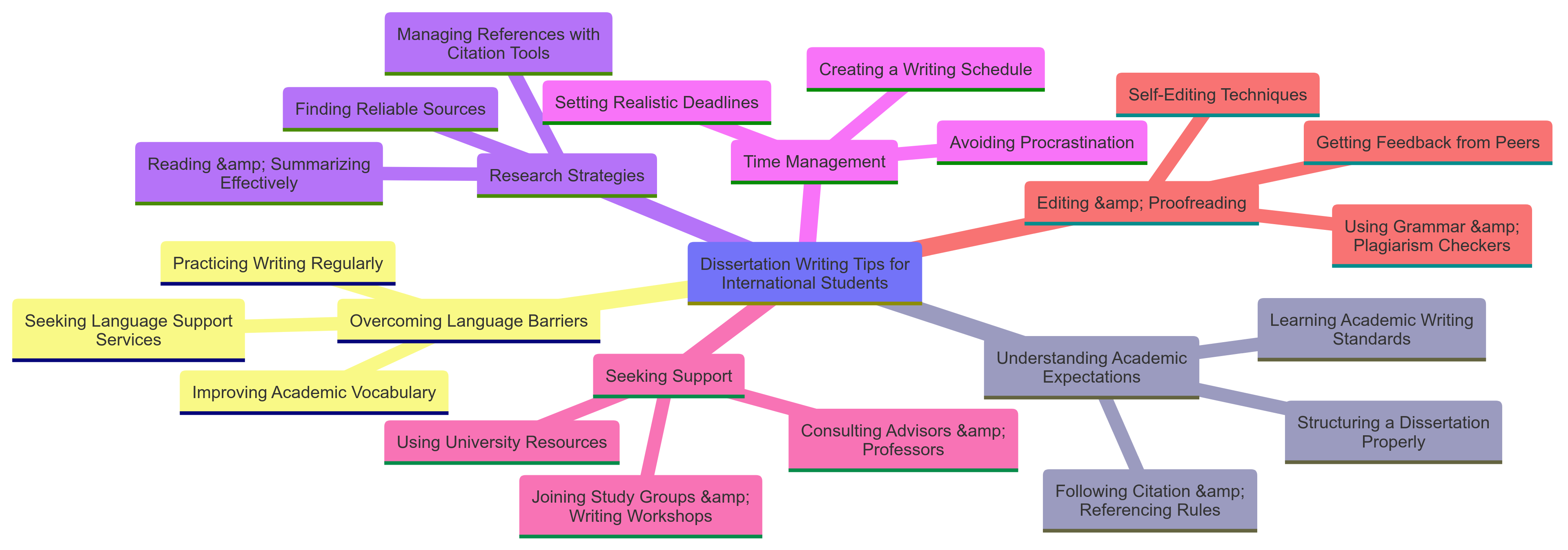
Dissertation Writing Tips for International Students Explore challenges faced by international students during dissertation writing, including language barriers and unfamiliar academic expectations, and strategies to overcome these obstacles
 : 435
: 435
Dissertation Writing Tips for International Students
Writing a dissertation is a monumental academic task, and for international students, the journey can be even more challenging. Navigating language barriers, unfamiliar academic expectations, and cultural differences can add extra layers of complexity to an already demanding process. However, with the right strategies, planning, and support, you can overcome these obstacles and produce a dissertation that showcases your hard work and intellectual abilities. This guide explores common challenges faced by international students during dissertation writing and offers practical tips to help you succeed.
1. Understanding the Unique Challenges
Before diving into strategies, it’s important to acknowledge the specific challenges that international students often face when writing a dissertation.
A. Language Barriers
-
Academic English Proficiency:
Many international students write in English as a second language. This means you may struggle with academic vocabulary, grammar, and writing style, which are all crucial for producing a polished dissertation. -
Complexity of Scholarly Writing:
Academic writing requires a formal tone, precise language, and adherence to specific conventions. Adjusting to these standards can be daunting if your previous education was in a different language or writing style.
B. Unfamiliar Academic Expectations
-
Different Academic Cultures:
Academic expectations vary across countries. What is considered rigorous or acceptable in one culture may differ in another. You may find that citation styles, argumentation methods, or even the structure of dissertations differ from what you are used to. -
Critical Thinking and Argumentation:
Many Western academic institutions emphasize independent thinking, critical analysis, and argumentative writing. If your previous education focused more on rote learning or deference to authority, adapting to this style can require a significant shift in mindset.
C. Time Management and Isolation
-
Balancing Multiple Responsibilities:
International students often juggle additional responsibilities such as part-time jobs, adapting to a new cultural environment, or even managing visa-related stress. These demands can affect your ability to focus solely on dissertation writing. -
Feelings of Isolation:
Being far from home and your familiar support networks can lead to feelings of loneliness and isolation. This emotional stress can diminish motivation and impact your productivity.
D. Access to Resources and Support
-
Limited Familiarity with University Resources:
Navigating a new institution’s library systems, research databases, and academic support services can be challenging, especially if you’re not familiar with the local academic landscape. -
Financial and Technological Constraints:
Sometimes, budget constraints or limited access to the latest technology and software can hinder your ability to collect data or use advanced tools for research.
Understanding these challenges is the first step toward developing effective strategies to overcome them.
2. Strategies to Overcome Language Barriers
Improving your academic writing skills and managing language challenges are critical for international students. Here are some practical tips:
A. Enhance Your Academic English
-
Enroll in Academic Writing Courses:
Many universities offer courses specifically designed to improve academic writing skills for non-native speakers. These courses focus on vocabulary building, grammar, and the conventions of scholarly writing. -
Read Widely in Your Field:
Regularly read academic journals, articles, and dissertations in your discipline. This will help you become familiar with the language, tone, and structure expected in your field. -
Practice Writing Regularly:
Set aside time each day for writing practice. Consider keeping a journal or blogging about your research process to build confidence and fluency in academic English. -
Use Language Tools:
Utilize grammar and style checkers such as Grammarly, Hemingway Editor, or ProWritingAid to help polish your drafts. These tools can catch errors and suggest improvements, allowing you to learn as you write.
B. Seek Feedback and Peer Support
-
Join a Writing Group:
Look for or establish a writing group with fellow international students or native speakers. Sharing drafts and receiving constructive feedback can significantly improve your writing. -
Work with a Tutor or Mentor:
Consider hiring a tutor or working with a mentor who specializes in academic writing. Many universities have writing centers where you can get personalized assistance. -
Engage with Your Advisors:
Regularly consult with your dissertation advisor. They can provide guidance on both content and language, helping you refine your arguments and expression.
C. Develop a Revision Process
-
Separate Writing and Editing:
Focus on getting your ideas down without worrying about perfection on the first draft. Save the detailed editing for later rounds. This separation helps you maintain a flow of ideas and reduces anxiety about mistakes. -
Revise in Stages:
Break the revision process into stages—first focusing on content and structure, then on language and style. This systematic approach can make revisions less overwhelming and more effective.
By actively working on your academic English and seeking continuous feedback, you can gradually overcome language barriers and produce a clear, compelling dissertation.
3. Navigating Unfamiliar Academic Expectations
Adapting to new academic norms requires understanding and flexibility. Here are some strategies to align your work with local academic standards:
A. Learn the Local Academic Conventions
-
Consult University Guidelines:
Familiarize yourself with your institution’s guidelines for dissertation writing, including formatting, citation styles, and submission requirements. These documents provide a clear framework for what is expected. -
Attend Workshops and Seminars:
Participate in workshops on academic writing and research methods offered by your university. These sessions often address the specific expectations of the institution and can offer valuable insights. -
Study Exemplary Dissertations:
Reviewing high-quality dissertations from your department can provide a model for structure, argumentation, and style. Notice how authors develop their arguments and integrate literature into their work.
B. Adapt Your Writing Style
-
Emphasize Critical Analysis:
Develop your ability to critically analyze sources and construct well-supported arguments. This might involve challenging existing theories or presenting alternative perspectives. -
Practice Argumentative Writing:
Engage in writing exercises that focus on building clear, logical arguments. This practice will help you develop a confident, analytical voice that is expected in many academic environments. -
Seek Clarification:
If you’re unsure about certain academic expectations, don’t hesitate to ask your professors or advisors. Clarifying doubts early on can save time and ensure you meet the required standards.
By learning and adapting to local academic conventions, you can ensure that your dissertation meets the expectations of your institution and resonates with your academic community.
4. Managing Time Effectively Amid Multiple Responsibilities
Time management is a universal challenge for dissertation writers, but it can be especially demanding for international students who may have additional responsibilities.
A. Develop a Detailed Schedule
-
Create a Dissertation Timeline:
Break your dissertation into phases and set specific deadlines for each section. A detailed timeline helps you stay organized and manage your time effectively. -
Use Time-Blocking Techniques:
Allocate specific blocks of time for dissertation writing, research, and revisions. Include breaks and leisure time in your schedule to prevent burnout. -
Set Daily and Weekly Goals:
Establish small, achievable targets, such as a word count or a section of the literature review. Meeting these smaller goals can build momentum and provide a sense of progress.
B. Prioritize Tasks
-
Identify High-Impact Tasks:
Focus on tasks that directly contribute to your research objectives. Prioritize these over less critical activities to ensure that your limited time is spent effectively. -
Learn to Say No:
Be selective about additional responsibilities or social engagements that might detract from your dissertation work. It’s important to maintain a balance, but sometimes you must prioritize your academic goals.
C. Leverage Technology
-
Productivity Apps:
Use apps like Trello, Asana, or Notion to track tasks and deadlines. Visual task management can help you stay on top of your workload. -
Calendar Tools:
Utilize digital calendars (Google Calendar, Outlook) to schedule work sessions and set reminders. Consistent scheduling reinforces a routine and helps you manage your time efficiently.
Effective time management ensures that you can balance your academic work with other responsibilities while making steady progress on your dissertation.
5. Overcoming Feelings of Isolation and Stress
International students may experience isolation and stress, which can undermine motivation. It’s important to address these emotional challenges directly.
A. Build a Support Network
-
Connect with Peers:
Join or form study groups with fellow international students. Sharing experiences and challenges can provide emotional support and reduce feelings of isolation. -
Engage in Campus Activities:
Participate in campus events and cultural activities. Engaging with your university community can help you build a sense of belonging. -
Maintain Communication with Family and Friends:
Regularly connect with loved ones back home. Their encouragement can boost your morale and remind you why you embarked on this journey.
B. Practice Self-Care
-
Establish a Routine for Wellness:
Incorporate regular exercise, healthy eating, and sufficient sleep into your schedule. Taking care of your physical health is crucial for maintaining mental resilience. -
Mindfulness and Relaxation:
Consider practices like meditation, yoga, or simple deep-breathing exercises to manage stress. Even a few minutes a day can help clear your mind and reduce anxiety. -
Seek Professional Support:
If stress becomes overwhelming, take advantage of counseling services offered by your university. Professional help can provide coping strategies and emotional relief.
Addressing emotional well-being is essential for sustaining long-term motivation and ensuring that you remain focused and productive throughout the dissertation process.
6. Utilizing University Resources and External Support
Most universities offer a range of resources to help international students succeed in their academic pursuits. Taking full advantage of these can significantly ease the dissertation process.
A. Academic Support Services
-
Writing Centers:
Many institutions have writing centers that offer one-on-one tutoring, workshops, and resources specifically designed to help with academic writing. -
Library Resources:
University libraries often provide access to research databases, citation management tools, and subject-specific research guides. Familiarize yourself with these resources early on.
B. Technology and Software
-
Language and Editing Tools:
Tools like Grammarly, Hemingway Editor, and ProWritingAid can help polish your writing. They’re particularly useful for non-native speakers looking to refine grammar and style. -
Reference Management Software:
Software such as Zotero, EndNote, or Mendeley can help organize your sources and simplify citation processes.
C. Cultural and Social Support
-
International Student Offices:
These offices are dedicated to supporting the unique challenges faced by international students. They can provide advice on academic, cultural, and personal issues. -
Mentorship Programs:
Look for mentorship opportunities within your department or through student organizations. A mentor who has navigated the dissertation process can offer invaluable guidance and support.
By tapping into these resources, you can find both practical assistance and emotional support, making the dissertation journey less isolating and more manageable.
7. Embracing a Growth Mindset
A positive mindset is a powerful tool in overcoming the hurdles of dissertation writing. Cultivating a growth mindset means viewing challenges as opportunities to learn and improve rather than as insurmountable obstacles.
A. Celebrate Small Victories
-
Acknowledge Progress:
Every completed section, even a single well-written paragraph, is a step toward your goal. Celebrate these small victories to build confidence and momentum. -
Reward Yourself:
Set up a reward system for reaching milestones. Whether it’s a break, a treat, or an activity you enjoy, rewards can boost motivation and make the process more enjoyable.
B. Learn from Setbacks
-
Reflect on Challenges:
Instead of dwelling on failures or setbacks, analyze what went wrong and how you can improve. Each challenge is an opportunity to refine your approach and become a better writer. -
Stay Persistent:
Remember that setbacks are a natural part of any long-term project. Persistence and resilience are key to ultimately overcoming obstacles and achieving success.
Adopting a growth mindset helps you remain adaptable and persistent, qualities that are essential for the long journey of dissertation writing.
8. Real-Life Success Stories and Inspiration
Drawing inspiration from others who have successfully navigated the dissertation process can be incredibly motivating.
A. Peer Success
-
Writing Groups:
Many international students report that joining a writing group helped them stay accountable and motivated. Sharing challenges and celebrating progress together fosters a supportive environment. -
Mentorship:
Success stories often highlight the importance of mentorship. Guidance from experienced advisors or peers can help you overcome language barriers and academic challenges, paving the way for success.
B. Personal Reflections
- Embrace Your Journey:
Every international student’s path is unique. Reflect on your reasons for pursuing your research and the personal growth that comes from overcoming challenges. Your journey is not only about academic achievement but also about building resilience and adapting to new cultures and environments.
These stories and reflections can serve as a reminder that, despite the challenges, many have successfully completed their dissertations—and you can too.
9. Final Thoughts: Persistence and Passion
Staying motivated while writing your dissertation as an international student is undoubtedly challenging. However, by setting realistic goals, creating an inspiring work environment, managing your time effectively, and taking care of your emotional and physical well-being, you can overcome these obstacles. Remember that every challenge is an opportunity to grow, and each small step forward is a victory.
Your dissertation is a reflection of your dedication, resilience, and academic passion. Embrace the journey, celebrate your progress, and never hesitate to seek support when you need it. With persistence and a positive mindset, you will not only complete your dissertation but also emerge with valuable skills and experiences that will serve you well in your future endeavors.
At DissertationAssist.com, we are here to support you every step of the way. Whether you need tips on time management, guidance on academic writing, or help with balancing your responsibilities, our resources and expert advice are designed to empower you on your dissertation journey.
Good luck, stay motivated, and keep pushing forward—your success is within reach!