How to Craft a Perfect Dissertation Proposal Understand the key components of an effective dissertation proposal, from crafting the research question to outlining methodology and objectives to ensure approval from your advisor
 : 280
: 280
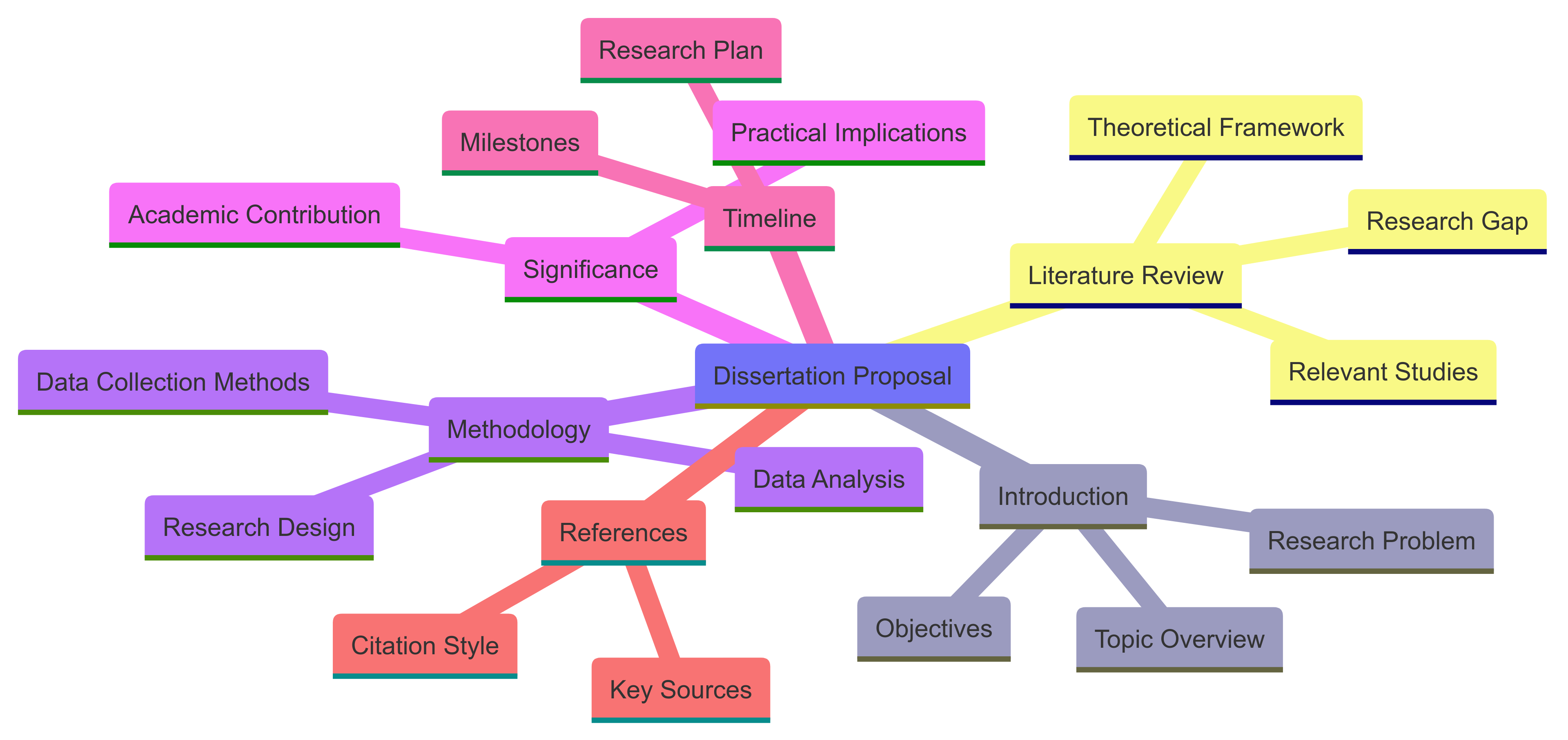
Crafting a perfect dissertation proposal is one of the most critical steps in your academic journey. Not only does it serve as the blueprint for your research project, but it also sets the stage for your relationship with your advisor and your academic committee. A well-written proposal can open doors to funding opportunities, secure approval from your department, and guide your research for years to come. In this comprehensive guide, we’ll walk you through the key components of an effective dissertation proposal—from developing a compelling research question to outlining a robust methodology and establishing clear objectives—so you can craft a proposal that stands out and gets the approval it deserves.
1. Understanding the Purpose of Your Dissertation Proposal
Before you begin writing, it’s important to understand why your dissertation proposal matters. A strong proposal is not just a formality; it’s the first demonstration of your ability to conduct rigorous academic research. Here’s why it’s essential:
- Clarify Your Research Direction: A dissertation proposal helps you crystallize your research question, set boundaries, and define the scope of your study. This clarity will guide every subsequent decision you make.
- Secure Advisor and Committee Approval: A well-crafted proposal shows that you have a thoughtful plan and that your research is viable. This is key to getting the green light from your academic advisors.
- Set a Roadmap for Research: Your proposal outlines the theoretical framework, methodology, and anticipated outcomes. It serves as a roadmap that not only guides you through the research process but also helps others understand your study’s trajectory.
- Establish Credibility: A clear, organized proposal establishes your credibility as a researcher. It demonstrates that you are well-informed about your subject area and that you can contribute original insights to the field.
- Plan Your Resources and Timeline: An effective proposal includes a realistic timeline and, if applicable, a budget. This helps you manage your resources and ensures you are prepared for the challenges ahead.
Understanding these core purposes is the first step in crafting a dissertation proposal that reflects both your academic capabilities and your commitment to rigorous research.
2. The Key Components of an Effective Dissertation Proposal
A successful dissertation proposal is structured, detailed, and persuasive. It should cover several essential components that collectively make a strong case for your research. Below, we break down each of these components and discuss what to include.
A. Introduction
The introduction sets the tone for your proposal and provides essential background information. It should include:
- Background Information: Start with a brief overview of your research topic. Explain the broader academic or practical issues that your study addresses. This section should offer enough context so that a reader who is not an expert in your field can grasp the significance of your study.
- Statement of the Problem: Clearly define the research problem or gap in the literature that your study will address. Be precise and specific. This statement is critical because it highlights why your research is necessary.
- Significance of the Study: Explain why your research matters. Discuss how your study will contribute to existing knowledge, fill a gap in the literature, or address a real-world issue. Emphasize the potential impact on theory, practice, or policy.
- Research Objectives: Outline the specific aims or goals of your study. What do you hope to achieve? These objectives should be clear, measurable, and directly tied to your research problem.
By setting a solid foundation in the introduction, you provide readers with a clear understanding of what you intend to accomplish.
B. Crafting a Compelling Research Question
The research question is the heart of your dissertation proposal. It drives your study and focuses your research efforts.
- Precision and Clarity: Your research question should be specific and well-defined. Avoid vague or overly broad questions that could lead to ambiguous findings.
- Relevance: Ensure that your question addresses a significant issue within your field. It should fill an existing gap in the literature or challenge current assumptions.
- Feasibility: Consider whether the question is answerable within the constraints of your program. Evaluate if you have the necessary resources, time, and expertise to address the question effectively.
Take time to refine your research question. Often, the initial question evolves as you delve deeper into the literature and clarify your objectives. A well-crafted research question not only guides your methodology but also sets clear expectations for your outcomes.
C. Literature Review
The literature review is a critical section that demonstrates your grasp of the existing body of knowledge related to your topic.
- Contextualizing Your Research: Summarize the key theories, debates, and findings related to your research area. This shows that you have a deep understanding of the subject.
- Identifying Gaps: Highlight the gaps, contradictions, or under-explored areas in the literature. This is where you make your case for why your study is necessary.
- Theoretical Framework: Outline the theoretical perspectives that will underpin your research. This framework guides your analysis and helps situate your study within a broader academic context.
- Critical Analysis: Don’t just summarize existing studies—critically analyze them. Discuss their strengths and weaknesses, and explain how your research will build upon or diverge from previous work.
A thorough literature review not only grounds your proposal in existing research but also underscores your critical thinking skills.
D. Methodology
The methodology section details how you will conduct your research. It should be detailed and robust, leaving no doubt about your ability to carry out the project.
- Research Design: Clearly explain whether your study will use a qualitative, quantitative, or mixed-methods approach. Justify your choice in relation to your research question and objectives.
- Data Collection Methods: Describe how you will collect your data. Will you conduct surveys, interviews, experiments, or archival research? Be specific about your methods and why they are the best way to address your research question.
- Data Analysis: Outline the techniques you will use to analyze the data. For quantitative research, mention any statistical tools or software. For qualitative research, describe your approach to coding and thematic analysis. Be clear about how these methods will help you draw meaningful conclusions.
- Ethical Considerations: Address any ethical issues related to your research. Explain how you will ensure the confidentiality and rights of your participants and comply with ethical guidelines.
- Limitations: Acknowledge potential limitations in your chosen methods. Discuss how you plan to address these limitations or mitigate their impact on your research.
A well-detailed methodology section demonstrates that you have a clear plan for conducting your research and that you are aware of the challenges that might arise.
E. Expected Outcomes and Implications
While you cannot predict your findings with certainty, outlining your expected outcomes is important for setting the context of your research.
- Anticipated Findings: Discuss what you expect to discover through your research. Although these are predictions, they should be based on your understanding of the literature and your theoretical framework.
- Implications for Theory and Practice: Explain how your findings might contribute to academic theory or have practical applications. Will your research influence current practices or inform future policy decisions?
- Contribution to the Field: Clearly articulate how your study will add original insights to your area of research. This might include filling a research gap, offering a new perspective, or challenging existing theories.
- Future Research Directions: Suggest how your research might pave the way for future studies. Highlighting potential future work shows that your study is part of a broader academic conversation.
By setting clear expectations, you help your advisor and committee understand the potential impact of your research.
F. Timeline and Budget
Many proposals include a timeline and, where applicable, a budget. These elements are crucial for demonstrating the feasibility of your project.
- Project Timeline: Provide a detailed timeline that outlines the key phases of your research. This might include stages such as the literature review, data collection, analysis, and writing. Use milestones to show how you will progress through each stage.
- Budget Considerations: If your research requires funding, include an estimated budget. Outline the expenses you expect to incur—such as travel, equipment, software, or participant incentives—and justify why these expenses are necessary.
A realistic timeline and budget show that you have a practical plan for managing your project, which can increase confidence in your ability to complete your dissertation on time.
G. Conclusion
The conclusion of your proposal should succinctly summarize the key elements of your plan and reinforce the significance of your research.
- Recap Key Points: Briefly restate the research problem, your objectives, and the proposed methodology. Reinforce why your study is important and how it will contribute to your field.
- Call to Action: Invite your advisor and committee to provide feedback, express your willingness to revise the proposal, and highlight your commitment to the research project.
A strong conclusion leaves the reader with a clear understanding of your research plan and a positive impression of your project’s potential.
3. Tips for Writing a Standout Dissertation Proposal
In addition to understanding the key components of a proposal, there are several best practices that can help your proposal stand out from the rest.
A. Be Clear and Concise
- Avoid Unnecessary Jargon:
While it is important to use discipline-specific language, ensure that your proposal is accessible and free of overly complex jargon. Clarity is key. - Structured Organization:
Use headings, subheadings, and bullet points to organize your content. This makes your proposal easier to navigate and helps maintain the reader’s focus. - Concise Writing:
Be direct in your language. Avoid overly long sentences and paragraphs. Every word should serve a purpose.
B. Demonstrate Critical Thinking
- Engage Deeply with the Literature:
Show that you have thoroughly engaged with the existing research. Offer critical insights into the strengths and weaknesses of previous studies. - Justify Your Decisions:
Whether it’s your research question, theoretical framework, or chosen methodology, provide clear justifications for every decision. Explain why alternative approaches were not selected. - Anticipate Challenges:
Address potential challenges or limitations in your proposal. This demonstrates that you have a realistic understanding of your project and are prepared to handle obstacles.
C. Proofread and Revise Thoroughly
- Multiple Drafts:
Rarely is the first draft perfect. Plan to write several drafts and refine your proposal each time. - Seek Feedback:
Share your proposal with peers, mentors, or advisors. Fresh perspectives can help identify areas that need clarification or improvement. - Attention to Detail:
A polished proposal free of grammatical errors and typos reflects your professionalism and attention to detail. Consider using editing tools or professional services if needed.
4. The Role of Your Advisor and Committee
Your dissertation proposal is not created in isolation. It is part of a collaborative process that involves significant input from your academic advisors and committee members.
- Collaborative Process:
View your proposal as the starting point for a dialogue with your advisor. Their expert feedback is invaluable in refining your research question, methodology, and overall plan. - Regular Communication:
Keep an open line of communication with your advisors during the proposal writing process. Early and ongoing discussions can help you align your ideas with academic standards and expectations. - Incorporating Feedback:
Be open to constructive criticism. Use the feedback provided to strengthen your proposal. This might involve reworking your research question, adjusting your methodology, or clarifying your objectives.
Building a strong relationship with your advisor and committee early on can greatly enhance the quality of your proposal and increase the likelihood of its approval.
5. Finalizing Your Dissertation Proposal
Before you submit your proposal for approval, ensure that you have thoroughly reviewed and refined every section. Consider the following checklist:
- Clarity of Purpose:
Does your proposal clearly articulate the research problem, its significance, and the objectives of your study? - Feasibility:
Is your research question manageable within the constraints of your program, timeline, and available resources? - Theoretical and Methodological Rigor:
Have you provided a robust theoretical framework and a detailed, justifiable methodology? - Organized Structure:
Is your proposal well-organized, with a logical flow that guides the reader through your plan? - Polished Writing:
Have you proofread your document to eliminate errors, awkward phrasing, or unnecessary jargon?
Taking the time to rigorously evaluate your proposal before submission is essential. This process not only improves the quality of your work but also demonstrates your commitment to excellence.
6. Common Pitfalls to Avoid
Even with the best intentions, certain pitfalls can undermine an otherwise strong dissertation proposal. Being aware of these common issues can help you avoid them:
- Vague Research Questions:
A research question that is too broad or ill-defined can lead to an unfocused study. Be sure to narrow your question to something manageable and specific. - Inadequate Literature Review:
Failing to engage critically with existing literature can weaken your theoretical framework. Ensure that your review is comprehensive and demonstrates your understanding of the field. - Unjustified Methodology:
Simply describing your methods without justifying them can make your proposal appear underdeveloped. Explain why your chosen methods are the best fit for your research. - Overly Ambitious Scope:
Proposing a study that is too broad or overly ambitious can raise concerns about feasibility. Make sure your project is realistic in scope given your available resources and timeframe. - Neglecting Ethical Considerations:
Ignoring ethical issues, especially if your research involves human participants or sensitive data, can be a major oversight. Address how you will manage these considerations upfront.
7. Putting It All Together
A perfect dissertation proposal is a comprehensive document that weaves together multiple elements into a coherent plan. When writing your proposal, think of it as a story with a beginning, middle, and end:
- Beginning (Introduction and Research Question):
Introduce the reader to your research topic, provide background context, and clearly state the research problem. This section sets the stage for the entire proposal. - Middle (Literature Review and Methodology):
Here, you build the body of your proposal. The literature review demonstrates that you have a solid grasp of existing research, while the methodology details your plan for contributing original insights to the field. - End (Expected Outcomes, Timeline, Conclusion):
Conclude by outlining what you expect to find, how your findings might impact the field, and providing a realistic plan for completing your research. This section reinforces the feasibility and significance of your project.
Each section should connect seamlessly with the others, forming a unified narrative that makes a compelling case for your research.
8. Final Thoughts on Crafting a Perfect Dissertation Proposal
Crafting a perfect dissertation proposal is a time-intensive, thoughtful, and iterative process. It requires you to:
- Engage deeply with your research area:
A strong proposal reflects extensive knowledge and a clear understanding of the gaps and opportunities within your field. - Be methodical and organized:
Every section of your proposal should build upon the previous one, creating a logical, persuasive narrative. - Showcase your critical thinking:
Your ability to analyze existing literature, justify your methodological choices, and foresee potential challenges speaks volumes about your preparedness as a researcher. - Maintain clarity and precision:
Avoid ambiguity. Every sentence should add value to your overall argument and clearly articulate your plan for achieving research success. - Stay flexible:
Your initial proposal is often a work in progress. Be open to revising your ideas based on feedback from advisors and peers. This adaptability is a hallmark of strong academic research.
Remember that your dissertation proposal is not only a document for approval—it is also a personal roadmap for your research journey. By taking the time to develop a thoughtful, well-structured proposal, you set yourself up for success and demonstrate your commitment to contributing meaningful knowledge to your field.
At DissertationAssist.com, we are dedicated to supporting you at every stage of your academic career. Whether you need assistance refining your research question, developing a robust methodology, or ensuring that your proposal meets the high standards expected by your department, our team is here to help. With careful planning, critical engagement with the literature, and a clear strategy for data collection and analysis, you can craft a dissertation proposal that not only garners approval but also inspires confidence in your ability to undertake groundbreaking research.
Conclusion
Crafting a perfect dissertation proposal is both an art and a science. It demands a clear vision, meticulous planning, and a deep commitment to academic excellence. By focusing on the essential components—introduction, research question, literature review, methodology, expected outcomes, timeline, and conclusion—and by avoiding common pitfalls, you can create a proposal that stands out as a comprehensive, persuasive, and feasible plan for your research.
As you embark on this process, remember that every great research journey begins with a single well-conceived proposal. Let your proposal be the launchpad that propels you toward academic success and a rewarding research career. Embrace the challenge with confidence, and trust that your dedication and hard work will shine through every page.
With a robust proposal in hand, you are not only setting the stage for your dissertation but also carving out your place as a scholar capable of innovative thinking and significant contributions to your field. Take this opportunity to demonstrate your passion, rigor, and readiness to tackle the important questions that lie ahead.
Good luck, and happy writing!