How to Overcome Writer’s Block During Your Dissertation Find strategies to combat writer’s block, including breaking tasks into manageable steps, creating a writing routine, and focusing on progress over perfection.
 : 404
: 404
How to Overcome Writer’s Block During Your Dissertation
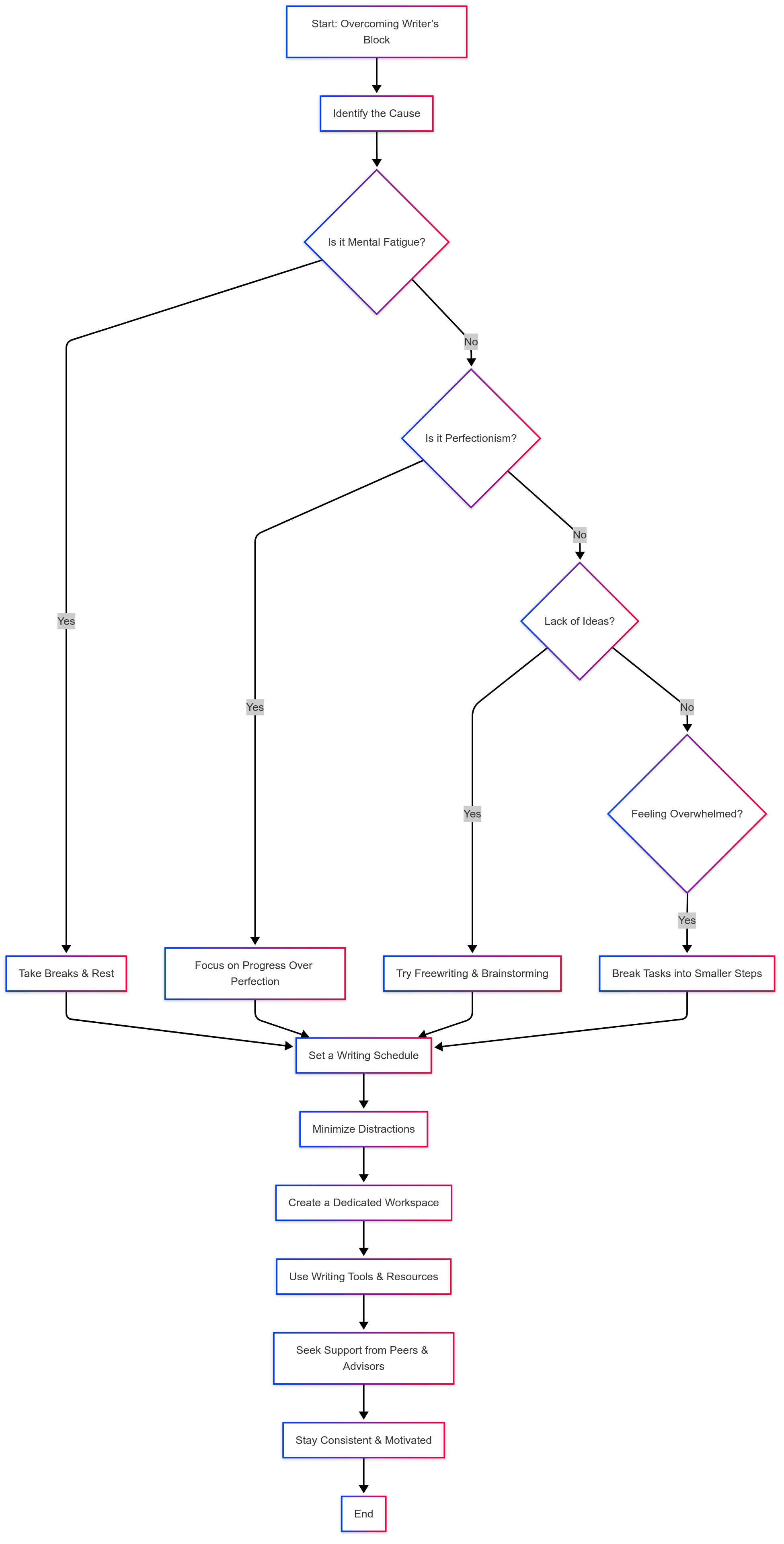
Writer’s block is a common hurdle for dissertation writers, and it can be especially frustrating when you’re under pressure to produce original, high-quality research. Whether you’re struggling to put ideas into words, feeling overwhelmed by the enormity of the project, or simply stuck in a creative rut, overcoming writer’s block is essential to maintain progress. Fortunately, there are many strategies you can use to break through this barrier. In this guide, we’ll explore practical techniques for combating writer’s block by breaking tasks into manageable steps, creating an effective writing routine, and focusing on progress over perfection. By implementing these strategies, you can reignite your creativity, stay motivated, and make steady progress on your dissertation.
1. Understanding Writer’s Block
Before addressing how to overcome writer’s block, it’s important to understand what it is and why it happens.
A. What is Writer’s Block?
- Definition:
Writer’s block is a condition where a writer loses the ability to produce new work or struggles to find the right words, even when they know what they want to say. - Common Manifestations:
- Procrastination and difficulty getting started
- Blank pages and endless revisions without progress
- Overwhelming self-criticism and doubt
B. Why Writer’s Block Occurs
- Overwhelm:
The sheer scope of a dissertation can lead to anxiety, making it hard to focus on any one section. - Perfectionism:
The desire to write the perfect sentence can paralyze you, preventing you from writing anything at all. - Lack of Structure:
Without clear steps or a roadmap, it’s easy to feel lost in your thoughts. - Fatigue and Stress:
Long hours of intense work without proper breaks can lead to mental fatigue and creative stagnation.
Understanding these causes helps you tailor strategies to break the block and get back to productive writing.
2. Breaking Tasks into Manageable Steps
One effective way to overcome writer’s block is to break your dissertation into smaller, manageable tasks. This approach makes the process less daunting and provides clear, achievable milestones.
A. Divide Your Dissertation into Sections
- Outline Your Dissertation:
Create a detailed outline that divides your dissertation into chapters and sub-sections. This roadmap will guide your writing and make the project feel less overwhelming. - Focus on One Section at a Time:
Instead of thinking about the entire dissertation, concentrate on writing a single section or even a single paragraph.
B. Set Small, Achievable Goals
- Daily Word Count:
Set a modest goal, such as 300–500 words a day. This approach helps create momentum and makes it easier to begin writing. - Task Lists:
Create a daily or weekly to-do list that breaks down the writing process into smaller tasks. For example:- Draft the introduction for Chapter 3
- Revise the literature review section
- Outline key points for the methodology chapter
C. Use the “Chunking” Technique
- Definition:
Chunking involves breaking down a large task into smaller, more manageable parts. - Application:
If you’re struggling to write a full chapter, break it into chunks such as:- Writing the opening paragraph
- Summarizing the research background
- Detailing the research methods
- Benefits:
Each small accomplishment builds confidence and makes the overall project seem less intimidating.
D. Reward Yourself for Small Wins
- Positive Reinforcement:
Celebrate each completed task or section with a small reward. Whether it’s a short break, a favorite snack, or a few minutes of leisure reading, rewards can reinforce your progress and motivate you to keep going. - Track Your Progress:
Maintain a progress log or journal. Seeing how much you’ve accomplished over time can boost your motivation and help you overcome moments of stagnation.
Breaking your dissertation into manageable parts transforms a daunting project into a series of small, achievable tasks. This approach reduces anxiety and allows you to focus on one step at a time.
3. Creating an Effective Writing Routine
A consistent writing routine is key to overcoming writer’s block. When writing becomes a regular habit, it’s easier to maintain momentum and gradually build on your work.
A. Establish Regular Writing Hours
- Set a Schedule:
Identify the time of day when you are most productive—whether it’s early morning, mid-afternoon, or late at night—and set aside dedicated writing periods during those times. - Consistency is Key:
Try to write at the same time each day. This consistency helps train your mind to focus during designated writing sessions.
B. Create a Conducive Writing Environment
- Designate a Writing Space:
Choose a quiet, comfortable space free from distractions. This could be a home office, a library corner, or a quiet café. - Minimize Interruptions:
Turn off notifications on your phone and computer during your writing sessions. Consider using apps or tools that block distracting websites. - Personalize Your Space:
Surround yourself with items that inspire you, such as motivational quotes, photos, or personal mementos. An environment that feels both professional and personal can boost your creativity.
C. Implement Time-Management Techniques
- Pomodoro Technique:
Work in short, focused intervals (e.g., 25 minutes of work followed by a 5-minute break). This method helps maintain concentration and prevents burnout. - Time Blocking:
Divide your day into blocks dedicated to specific tasks, such as writing, research, and breaks. This structured approach ensures that you allocate time for each essential aspect of your dissertation. - Set Priorities:
At the start of each writing session, decide on one or two key tasks to complete. Focus on these priorities to avoid feeling overwhelmed by an endless to-do list.
D. Track Your Daily Progress
- Daily Journaling:
Maintain a writing journal where you note down what you’ve accomplished each day. This record not only helps you stay accountable but also provides a source of motivation when you see your cumulative progress. - Reflect and Adjust:
Periodically review your routine. If you notice certain times or strategies aren’t working, be flexible and adjust your schedule as needed.
Establishing a consistent writing routine not only builds momentum but also transforms writing into a habitual activity, reducing the impact of writer’s block over time.
4. Focusing on Progress Over Perfection
One of the most common contributors to writer’s block is the desire for perfection. While striving for excellence is important, obsessing over perfection can hinder progress.
A. Embrace the Concept of “Good Enough”
- Initial Drafts are Not Final:
Understand that your first draft is not your final product. It’s a starting point that you can refine later. The key is to get your ideas down on paper, and then work on improving them. - Set Realistic Expectations:
Accept that perfection is an iterative process. Focus on making consistent progress rather than achieving flawless work on your first attempt.
B. Shift Your Mindset
- Progress Over Perfection:
Celebrate small victories and incremental improvements. Each word written is a step forward, even if it’s not perfect. - Learn from Mistakes:
View errors as opportunities for learning rather than failures. Every revision brings you closer to a polished final product.
C. Use Revision as a Tool
- Separate Writing and Editing:
Avoid the temptation to edit as you write. Allow yourself to write freely and then dedicate separate sessions to revising and refining your work. - Set Revision Goals:
Instead of trying to perfect your entire dissertation in one go, focus on one section at a time. This targeted approach makes revisions more manageable.
D. Remind Yourself of Your Achievements
- Keep a Success Log:
Write down your accomplishments, no matter how small. Reflecting on your progress can boost your confidence and motivate you to keep going. - Visualize the End Goal:
Remind yourself why you’re writing your dissertation. Keeping the end goal in mind can help you push through moments of self-doubt and perfectionism.
Focusing on progress rather than perfection enables you to overcome the fear of failure and keep moving forward, one word at a time.
5. Overcoming Emotional and Mental Barriers
Writer’s block is not just a technical problem—it’s often tied to emotional and mental challenges. Addressing these barriers is crucial for sustaining long-term motivation.
A. Recognize and Accept Your Emotions
- Acknowledge Frustration:
Understand that feeling frustrated or stuck is a normal part of the writing process. Allow yourself to experience these emotions without judgment. - Practice Self-Compassion:
Treat yourself with kindness. Recognize that writing a dissertation is a significant undertaking, and it’s natural to encounter obstacles along the way.
B. Manage Stress Effectively
- Mindfulness and Meditation:
Incorporate mindfulness practices or meditation into your routine to help manage stress and maintain focus. Even a few minutes a day can make a difference. - Regular Exercise:
Physical activity is a powerful stress reliever. Regular exercise can boost your mood, enhance concentration, and reduce anxiety. - Breaks and Downtime:
Schedule regular breaks and ensure you have time for relaxation. Balancing work with leisure is essential for long-term productivity.
C. Seek Support When Needed
- Peer Support Groups:
Joining a writing group or connecting with fellow dissertation writers can provide emotional support and practical advice. Sharing your challenges and successes with others can make you feel less isolated. - Professional Counseling:
If feelings of anxiety or depression become overwhelming, consider seeking help from a counselor or therapist. Many universities offer mental health services for graduate students. - Mentorship:
Regularly communicate with your advisor or mentor. Their guidance can not only improve your work but also boost your confidence and motivation.
Addressing the emotional and mental dimensions of writer’s block is just as important as implementing practical writing strategies. Taking care of your mental well-being creates a more resilient foundation for your academic work.
6. Leveraging Technology and Tools to Stay Motivated
In today’s digital age, various tools can help you overcome writer’s block and maintain your motivation.
A. Productivity Apps and Software
- Task Management Tools:
Apps like Trello, Asana, or Notion can help you organize your tasks, set deadlines, and visualize your progress. These tools are excellent for breaking down your dissertation into manageable tasks. - Focus Tools:
Use focus-enhancing apps such as Forest or Focus@Will to minimize distractions. These tools help create a distraction-free environment and encourage sustained periods of concentration.
B. Digital Writing Platforms
- Word Processors with Revision Tools:
Software like Microsoft Word and Google Docs come with built-in features that track changes and allow for easy revisions. These tools can help you manage your drafts effectively. - Reference Management Software:
Tools such as Zotero, Mendeley, or EndNote help organize your citations and literature, reducing the stress of managing sources.
C. Motivational Tools
- Progress Trackers:
Use digital calendars or journaling apps to log your daily writing achievements. Visual representations of your progress can be incredibly motivating. - Inspiration Boards:
Create digital or physical inspiration boards with quotes, images, and goals. These can serve as reminders of why you embarked on your dissertation journey in the first place.
Technology can serve as both a productivity booster and a motivational aid, helping you stay focused and organized even when writer’s block strikes.
7. Real-Life Success Stories
Hearing about others who have overcome writer’s block can provide inspiration and practical insights. Consider these real-life examples:
A. Case Study: The 300-Word Daily Challenge
One doctoral candidate implemented a daily writing challenge, setting a goal to write just 300 words every day. Initially, the number seemed modest, but as the days turned into weeks and months, the cumulative word count grew significantly. This approach helped reduce the pressure of writing perfect paragraphs in one go and allowed the candidate to build momentum gradually.
B. Case Study: Establishing a Writing Routine
Another PhD student struggled with consistency until she created a dedicated writing space and set aside two uninterrupted hours every morning. By turning this time into a daily ritual—complete with a specific playlist and minimal digital distractions—she was able to enter a state of “flow” more consistently. The routine not only increased her productivity but also made writing a more enjoyable and less stressful experience.
C. Case Study: Peer Support and Accountability
A group of international doctoral students formed a weekly writing circle, where they met virtually to share their progress, discuss challenges, and offer mutual support. The sense of community and accountability helped each member overcome periods of writer’s block and reinforced their commitment to daily progress.
These stories highlight that overcoming writer’s block is achievable through practical strategies, consistency, and a supportive network.
8. Adapting and Refining Your Strategies
No single strategy works for everyone. It’s important to continually assess and refine your approaches to overcome writer’s block as you progress through your dissertation.
A. Reflect on What Works
- Regular Self-Assessment:
Periodically reflect on your writing process. What techniques are most effective? What times of day yield the best productivity? - Adjust Your Routine:
Be flexible and willing to modify your strategies. If the Pomodoro Technique isn’t working for you, try longer or shorter focus intervals. Experiment with different writing environments until you find the one that best suits your style.
B. Embrace the Iterative Process
- Continuous Improvement:
Remember that overcoming writer’s block is an iterative process. Each draft, each revision, and each breakthrough is a step toward a finished dissertation. - Learn from Setbacks:
When you encounter a setback, analyze what triggered it and adjust your approach accordingly. Every challenge is an opportunity to improve your methods.
C. Maintain Long-Term Focus
- Vision for the Future:
Keep the end goal in mind. Visualize the completion of your dissertation and the opportunities that lie ahead, such as graduation, publication, or career advancement. - Celebrate Milestones:
Regularly acknowledge your progress and celebrate milestones, whether it’s completing a chapter or reaching a significant word count. These celebrations reinforce your motivation and remind you of your accomplishments.
Refining your strategies as you go along ensures that you remain adaptive and responsive to both challenges and successes, ultimately keeping writer’s block at bay.
9. Final Thoughts: Embrace the Journey
Overcoming writer’s block during your dissertation is a multifaceted process that involves practical planning, emotional resilience, and a willingness to experiment with different strategies. By breaking your work into manageable steps, establishing a consistent writing routine, and focusing on progress rather than perfection, you create an environment where ideas can flow more freely. Moreover, taking care of your mental and physical well-being, leveraging technology, and seeking support when needed are crucial elements that enable you to maintain motivation throughout this demanding process.
Remember that the journey of writing a dissertation is as much about personal growth as it is about academic achievement. Every word you write, every revision you complete, and every small victory along the way contributes to your development as a scholar. Embrace the challenges, learn from setbacks, and keep your long-term goals in sight. The strategies you implement today will not only help you overcome writer’s block but will also equip you with skills that will serve you throughout your academic and professional life.
At DissertationAssist.com, we understand that writer’s block can feel overwhelming, but with the right techniques and a supportive environment, you can push through the barriers and make significant progress on your dissertation. We’re here to provide resources, tips, and expert advice to help you succeed on your academic journey.
Good luck, and remember: every step forward, no matter how small, is a victory. Keep writing, stay focused, and celebrate your progress along the way.