How to Stay Motivated While Writing Your Dissertation Discover practical tips for staying motivated throughout the dissertation process, from setting small goals to rewarding yourself and maintaining focus despite challenges
 : 385
: 385
How to Stay Motivated While Writing Your Dissertation
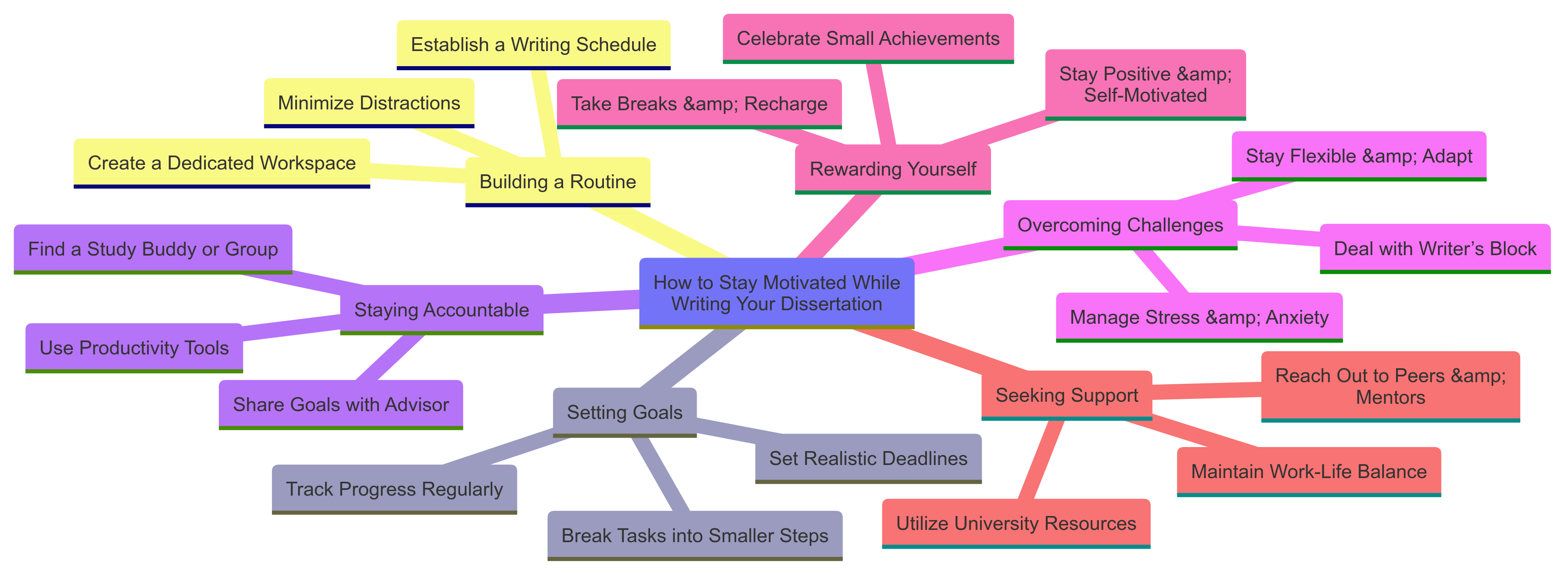
Writing a dissertation is one of the most challenging academic endeavors you will ever undertake. It requires sustained focus, dedication, and resilience over a long period. Maintaining motivation can be difficult, especially as the novelty of the research fades and obstacles arise. However, staying motivated is not only possible—it’s essential for completing your dissertation successfully. In this guide, we’ll explore practical tips and strategies to keep your motivation high throughout the dissertation process. From setting small, achievable goals and establishing a routine to rewarding yourself and managing setbacks, these insights will help you maintain focus, overcome challenges, and finish your dissertation with confidence.
1. Understanding the Dissertation Journey
Before diving into strategies, it’s important to acknowledge the unique nature of the dissertation process. Unlike shorter assignments or projects, a dissertation is a marathon, not a sprint. Recognizing this can help you manage expectations and maintain a balanced perspective.
-
The Long Haul:
A dissertation often spans several months or even years. Understanding that it’s a gradual process can prevent feelings of overwhelm when progress seems slow. -
Phases of Dissertation Writing:
The dissertation journey can typically be broken down into several phases:- Planning and Proposal: Defining your research question, conducting preliminary literature review, and designing your study.
- Data Collection: Gathering the information you need through primary or secondary research.
- Data Analysis: Processing and interpreting your data.
- Writing: Composing the various chapters of your dissertation.
- Revision and Finalization: Refining your work based on feedback and preparing for submission.
-
Expecting Challenges:
Every phase has its unique challenges. By anticipating these, you can prepare strategies to overcome obstacles rather than letting setbacks demotivate you.
Understanding that the dissertation is a journey with different stages can help you develop a roadmap for staying motivated throughout the process.
2. Setting Realistic and Achievable Goals
One of the most effective ways to stay motivated is by breaking your dissertation into manageable parts and setting clear goals.
A. Break It Down Into Smaller Tasks
-
Chunking Your Work:
Divide your dissertation into smaller sections—each chapter, section, or even paragraph can be seen as a mini-goal. Instead of focusing on writing an entire chapter, set a goal to complete one section or even a specific number of paragraphs in a day. -
Daily and Weekly Goals:
Create a daily to-do list or a weekly plan. For example, aim to write 500 words a day or complete a specific section of your literature review by the end of the week. These small achievements add up over time. -
Use a Task Manager:
Tools like Trello, Asana, or even a simple notebook can help you track your progress. Seeing tasks being checked off can boost your morale and provide a tangible sense of achievement.
B. Prioritize and Organize
-
Prioritize High-Impact Tasks:
Identify tasks that directly contribute to your core research questions. Focus on these first to build momentum. -
Create a Work Schedule:
Set aside specific times each day dedicated solely to dissertation writing. Consistency helps form a habit, and knowing that you have a scheduled “dissertation hour” can make it easier to start working even on days when you feel less motivated.
C. Flexibility and Adaptability
-
Revisit and Revise Goals:
Your goals may need adjustment as your research progresses. If you find a particular task is taking longer than expected, revise your schedule accordingly. Flexibility ensures that you stay realistic about your progress. -
Celebrate Small Wins:
Every completed section or achieved milestone is a victory. Take time to acknowledge these achievements, no matter how small. This practice reinforces a positive mindset and keeps you motivated.
Setting realistic goals helps create a roadmap that guides your efforts and provides frequent opportunities for achievement, which is key to maintaining long-term motivation.
3. Creating an Inspiring Work Environment
Your physical and mental workspace can significantly influence your motivation and productivity.
A. Design a Dedicated Workspace
-
Find a Quiet Place:
Establish a dedicated workspace where you can focus without interruptions. This might be a home office, a quiet corner in a library, or a local café with minimal distractions. -
Personalize Your Space:
Decorate your workspace with items that inspire you—photos, artwork, or motivational quotes. A pleasant and personalized environment can uplift your mood and enhance creativity.
B. Optimize Your Tools and Resources
-
Invest in Reliable Technology:
Ensure your computer, internet, and necessary software are functioning well. Frustration with technical issues can derail your productivity and motivation. -
Organize Your Materials:
Keep your research articles, notes, and drafts well-organized. Use digital tools such as reference managers (e.g., Zotero or EndNote) and cloud storage to keep everything accessible and orderly.
C. Minimize Distractions
-
Digital Detox:
Limit interruptions by turning off notifications or using apps that block distracting websites during work sessions. -
Set Boundaries:
Let family or housemates know your work schedule so that they can help minimize distractions during your dedicated work times.
A well-organized and inspiring workspace not only makes your daily work more pleasant but also reinforces a professional mindset that is conducive to productivity.
4. Developing a Consistent Writing Routine
Routine is the backbone of productivity. Establishing a regular writing schedule can create a habit that keeps motivation high, even on challenging days.
A. Build a Writing Habit
-
Set Regular Hours:
Determine the time of day when you are most productive—whether it’s early morning, afternoon, or late at night—and stick to that schedule as consistently as possible. -
Start Small:
If you’re struggling to get started, commit to writing for just 15 minutes. Often, the hardest part is beginning; once you start, you’ll find it easier to continue.
B. Use Time-Management Techniques
-
Pomodoro Technique:
Work in focused bursts—typically 25 minutes of work followed by a 5-minute break. After four cycles, take a longer break. This method can improve focus and prevent burnout. -
Time Blocking:
Allocate specific blocks of time for different tasks. For example, reserve mornings for data analysis and afternoons for writing. This helps structure your day and ensures that you dedicate time to each aspect of your dissertation.
C. Monitor and Adjust Your Routine
-
Track Your Progress:
Keep a journal or log of your daily writing sessions. Reflect on what times and techniques yield the best results, and adjust your routine accordingly. -
Be Patient:
Developing a consistent writing habit takes time. Expect fluctuations in productivity and allow yourself some grace during low-energy periods.
A consistent routine can transform the often daunting task of dissertation writing into a series of manageable, regular sessions that cumulatively lead to significant progress.
5. Staying Motivated Through Self-Care and Wellness
Taking care of your physical and mental well-being is essential for maintaining long-term motivation.
A. Prioritize Physical Health
-
Regular Exercise:
Physical activity boosts energy, reduces stress, and enhances cognitive function. Whether it’s a daily walk, yoga, or a gym session, regular exercise can keep you energized and focused. -
Healthy Eating:
A balanced diet supports brain function and overall well-being. Avoid excessive caffeine and sugar, and aim for regular, nutritious meals. -
Adequate Sleep:
Ensure you’re getting enough sleep. A well-rested mind is more capable of creative thought and sustained concentration.
B. Mental and Emotional Self-Care
-
Mindfulness and Meditation:
Practices such as mindfulness or meditation can help reduce stress and improve focus. Even a few minutes of deep breathing each day can be beneficial. -
Take Regular Breaks:
Schedule downtime to relax and recharge. Whether it’s reading, listening to music, or spending time with friends, regular breaks can prevent burnout and keep your motivation high. -
Seek Professional Help:
If you’re feeling overwhelmed or depressed, don’t hesitate to seek support from a counselor or therapist. Many universities offer free counseling services to graduate students.
C. Balance Work and Personal Life
-
Set Boundaries:
It’s important to maintain a balance between your academic work and personal life. Make time for hobbies, social activities, and relaxation. -
Plan Leisure Activities:
Schedule leisure activities as rewards for meeting your writing goals. Knowing that you have something enjoyable to look forward to can boost your motivation to get work done.
Self-care is not a luxury—it’s a necessity for sustaining the energy and focus required to complete your dissertation.
6. Rewarding Yourself and Celebrating Milestones
Incentives and rewards can be powerful motivators when tackling a long-term project like a dissertation.
A. Set Up a Reward System
-
Daily and Weekly Rewards:
Give yourself small rewards for achieving daily or weekly goals. This might be a favorite snack, an episode of a TV show, or a short break to do something you enjoy. -
Major Milestones:
Identify key milestones—such as completing a chapter or finishing data analysis—and plan a larger reward. This could be a day off, a special meal, or a small gift to yourself.
B. Recognize and Celebrate Progress
-
Keep a Success Journal:
Document your achievements, no matter how small. Reviewing your progress can boost your morale and remind you that you are steadily moving toward your goal. -
Share Your Success:
Celebrate your milestones with friends, family, or peers. Positive reinforcement from others can be a significant morale booster.
Rewards help transform the dissertation process into a series of achievable tasks rather than an insurmountable challenge. Recognizing your progress reinforces the belief that you are capable of completing your work.
7. Overcoming Setbacks and Maintaining a Positive Mindset
Setbacks are inevitable in any long-term project. Learning how to cope with challenges and maintain a positive attitude is crucial for staying motivated.
A. Embrace a Growth Mindset
-
View Challenges as Opportunities:
Instead of seeing setbacks as failures, view them as opportunities to learn and grow. Every obstacle is a chance to improve your methods and strategies. -
Reflect on Past Successes:
Remind yourself of previous challenges you’ve overcome. This can reinforce your belief in your ability to handle difficult situations.
B. Develop Resilience Strategies
-
Learn from Criticism:
Use feedback—whether from advisors, peers, or your own reflections—as a tool for improvement rather than a source of discouragement. -
Adapt and Adjust:
If a particular strategy isn’t working, be willing to change course. Flexibility in your approach is a key factor in overcoming setbacks. -
Take a Break When Needed:
If you’re feeling particularly overwhelmed, allow yourself a short break. Stepping back for a day or two can help you return with fresh energy and perspective.
C. Maintain a Support Network
-
Stay Connected:
Regularly communicate with fellow graduate students, mentors, and friends. Sharing your experiences and challenges can provide emotional support and practical advice. -
Seek Encouragement:
Surround yourself with people who believe in you and your abilities. Their encouragement can help you push through moments of doubt.
A positive mindset and resilience are essential for navigating the ups and downs of the dissertation process. Recognize that setbacks are part of the journey and that perseverance is key to success.
8. Using Technology to Stay Organized and Focused
Technology can be a valuable ally in maintaining motivation and organization throughout your dissertation writing process.
A. Productivity and Time Management Apps
-
Task Management Tools:
Use apps like Trello, Asana, or Notion to create to-do lists, set deadlines, and track your progress. Visual representations of your tasks can be highly motivating. -
Calendar Apps:
Schedule your work sessions, deadlines, and breaks using digital calendars. Setting reminders ensures you stay on track and manage your time effectively. -
Focus Tools:
Apps like Forest or Focus@Will help you stay in the zone by minimizing distractions and maintaining a steady workflow.
B. Digital Note-Taking and Organization
-
Cloud-Based Documents:
Use tools like Google Docs or Microsoft OneNote to keep your research, notes, and drafts organized and accessible from anywhere. -
Reference Managers:
Tools such as Zotero, Mendeley, or EndNote not only help you manage citations but also keep your literature organized and searchable.
Leveraging technology can streamline your workflow, reduce the stress of organization, and free up more time and energy for writing and creativity.
9. Real-Life Examples and Case Studies
Learning from others who have successfully navigated the dissertation process can offer valuable insights and inspiration.
A. Case Study: Daily Writing Goals
One doctoral candidate found that setting a modest daily writing goal—such as 300 words—transformed her approach to dissertation writing. Initially, the idea of writing a full chapter seemed overwhelming. However, by focusing on a small daily target, she built momentum. Over several months, these small achievements accumulated into substantial progress, and she maintained a sense of accomplishment throughout the process.
B. Case Study: The Power of a Dedicated Workspace
Another PhD student in the humanities struggled with distractions while writing at home. After creating a dedicated home office free from digital distractions, he noticed a significant improvement in his focus and productivity. The quiet, organized environment helped him enter a “flow state” more easily, making it simpler to stick to his daily writing schedule.
C. Case Study: Overcoming Setbacks with Peer Support
A group of international PhD candidates formed a weekly writing circle to share challenges and successes. This peer support network not only provided accountability but also offered practical tips for managing language barriers and cultural differences in academic writing. The shared experience created a sense of community and resilience, enabling each member to stay motivated despite setbacks.
These examples illustrate that practical strategies tailored to your personal needs and circumstances can make a significant difference in staying motivated throughout your dissertation journey.
10. Final Thoughts: Embracing Your Dissertation Journey
Staying motivated while writing your dissertation is an ongoing challenge that requires a multifaceted approach. By setting realistic goals, creating a conducive work environment, maintaining a consistent writing routine, and taking care of your physical and mental well-being, you can sustain your motivation over the long haul. Rewarding yourself for small achievements and seeking support when needed are crucial practices that keep your momentum alive even during challenging periods.
Remember, your dissertation is not just an academic requirement—it’s a significant personal achievement that reflects your dedication, perseverance, and intellectual growth. Every step you take, every challenge you overcome, adds to your professional development and contributes to your future success.
At DissertationAssist.com, we understand that the dissertation process can be daunting. Our goal is to provide you with practical tools, resources, and encouragement to help you stay motivated and achieve excellence in your work.
Good luck on your dissertation journey. Embrace the process, celebrate every milestone, and know that with determination and the right strategies, you will reach your goal.