The Challenges of Writing a Dissertation in a Second Language Learn strategies to overcome language barriers in dissertation writing, from improving academic writing skills to seeking support with editing and language tools
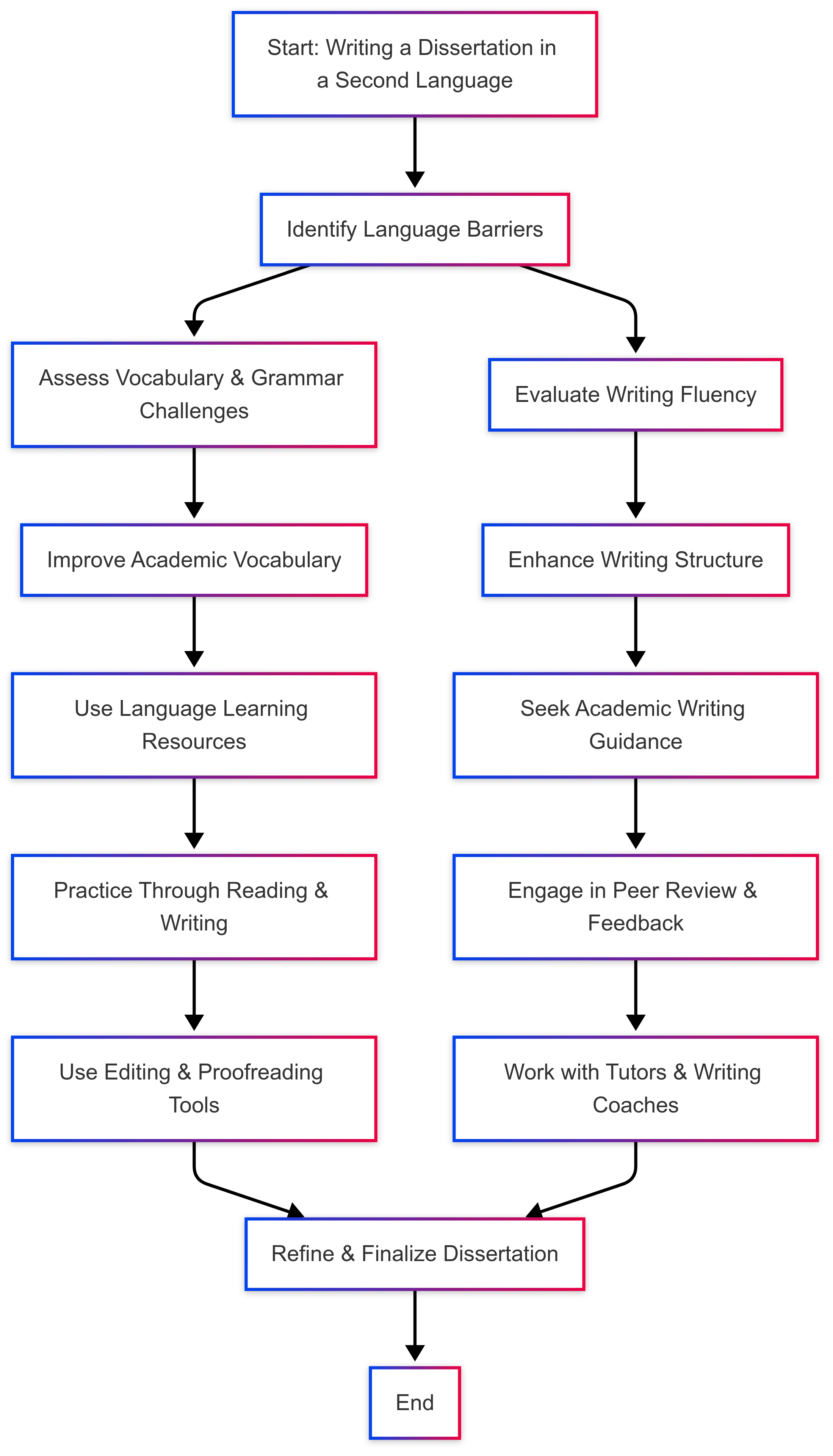
 : 428
: 428
The Challenges of Writing a Dissertation in a Second Language
Writing a dissertation is a monumental academic task under the best of circumstances. For many international students and researchers, the challenge is compounded by the need to write in a second language. Navigating language barriers while maintaining academic rigor can be daunting, yet it is a challenge that can be overcome with determination, effective strategies, and the right support. This comprehensive guide explores the unique challenges of writing a dissertation in a second language and offers practical strategies to improve academic writing skills, leverage editing support, and utilize language tools to produce a high-quality dissertation.
1. Understanding the Language Barrier in Academic Writing
Academic writing in a second language involves more than simply translating thoughts from one language to another. It requires mastering a new set of academic conventions, vocabulary, and stylistic nuances that are integral to scholarly communication.
A. The Complexity of Academic Language
-
Specialized Vocabulary:
Academic writing relies heavily on discipline-specific terminology and jargon. For non-native speakers, learning and correctly using these terms can be challenging. -
Structural Conventions:
The organization of ideas, the development of arguments, and the use of citations in academic writing often differ from everyday language or the conventions of one’s first language. -
Nuances and Tone:
Achieving the appropriate tone—formal, objective, and analytical—is essential. Non-native speakers may struggle with maintaining consistency in tone and may inadvertently introduce colloquialisms or informal language.
B. Emotional and Psychological Challenges
-
Increased Stress and Anxiety:
The pressure to meet high academic standards in a non-native language can lead to significant stress and self-doubt. -
Imposter Syndrome:
Many students feel that their language skills are inadequate for academic writing, which can affect confidence and the willingness to share drafts with advisors. -
Time Management Pressures:
Writing in a second language often requires more time for drafting, revising, and editing. This can add to the already significant time commitment required for dissertation writing.
Understanding these challenges is the first step in developing strategies to overcome them and produce work that reflects your true scholarly potential.
2. Building Strong Academic Writing Skills
Improving your academic writing skills is a crucial strategy for overcoming language barriers. This process involves both developing a deeper understanding of academic conventions and practicing effective writing techniques.
A. Enhancing Vocabulary and Grammar
-
Targeted Vocabulary Building:
Create a list of common academic terms and phrases within your field. Use flashcards or vocabulary apps to reinforce learning. Reading widely in your discipline can also help you internalize the language used by leading scholars. -
Grammar Workshops and Courses:
Consider enrolling in academic writing courses or grammar workshops specifically designed for non-native speakers. Many universities offer such programs, which focus on the nuances of academic English, sentence structure, and complex grammatical forms. -
Regular Practice:
Writing regularly—even if it’s not part of your dissertation—can improve your fluency and confidence. Keeping a daily journal or blog in English can be a low-pressure way to practice.
B. Understanding Academic Conventions

-
Study Exemplary Dissertations:
Reviewing high-quality dissertations in your field can provide insights into structure, tone, and the use of academic language. Analyze how arguments are constructed and supported by evidence. -
Learn the Citation Style:
Familiarize yourself with the citation style required by your institution (e.g., APA, MLA, Chicago). Proper citation not only strengthens your arguments but also demonstrates academic integrity. -
Outline and Drafting Techniques:
Develop an outline before beginning to write. Organizing your thoughts in your native language first can help structure your argument. Then, translate and adapt these ideas into academic English.
C. Seeking Constructive Feedback
-
Peer Review Groups:
Join writing groups or academic communities where you can exchange drafts with peers. Feedback from fellow students who are facing similar challenges can be invaluable. -
Advisors and Mentors:
Regularly share your writing with your advisor or mentors. Their feedback will help you identify common errors and improve your overall writing style.
Building strong academic writing skills is a gradual process. Consistent practice and actively seeking feedback are key to developing a more confident and polished writing style.
3. Leveraging Technology and Language Tools
In today’s digital age, various technological tools can assist non-native speakers in refining their academic writing. These tools range from grammar checkers to sophisticated writing platforms that provide feedback on style and clarity.
A. Grammar and Spell-Check Tools
-
Grammarly:
This widely used tool offers real-time grammar, punctuation, and style corrections. Its premium version provides more in-depth suggestions that are particularly useful for academic writing. -
Hemingway Editor:
Hemingway focuses on clarity and conciseness by highlighting complex sentences and suggesting simpler alternatives. It also flags passive voice usage, which can be detrimental to academic tone. -
ProWritingAid:
Similar to Grammarly, ProWritingAid offers comprehensive feedback on grammar, style, and readability. It also integrates with various writing platforms and word processors.
B. Academic Writing Software
-
Scrivener:
Scrivener is popular among dissertation writers for its ability to organize long documents. It allows you to break your work into manageable sections, rearrange content easily, and keep notes and references in one place. -
Zotero and EndNote:
These reference management tools are invaluable for organizing citations and bibliographies. They help ensure that your sources are properly cited and can be easily integrated into your document.
C. Translation and Language Learning Apps
-
DeepL and Google Translate:
While not substitutes for professional translation, these tools can be useful for translating phrases or checking the meaning of complex sentences. However, always verify the output, as academic language often requires precision beyond literal translation. -
Language Learning Apps:
Apps like Duolingo or Babbel can help improve your general English proficiency. While they may not be tailored for academic writing, increasing your overall language skills can positively impact your writing.
D. Plagiarism Checkers
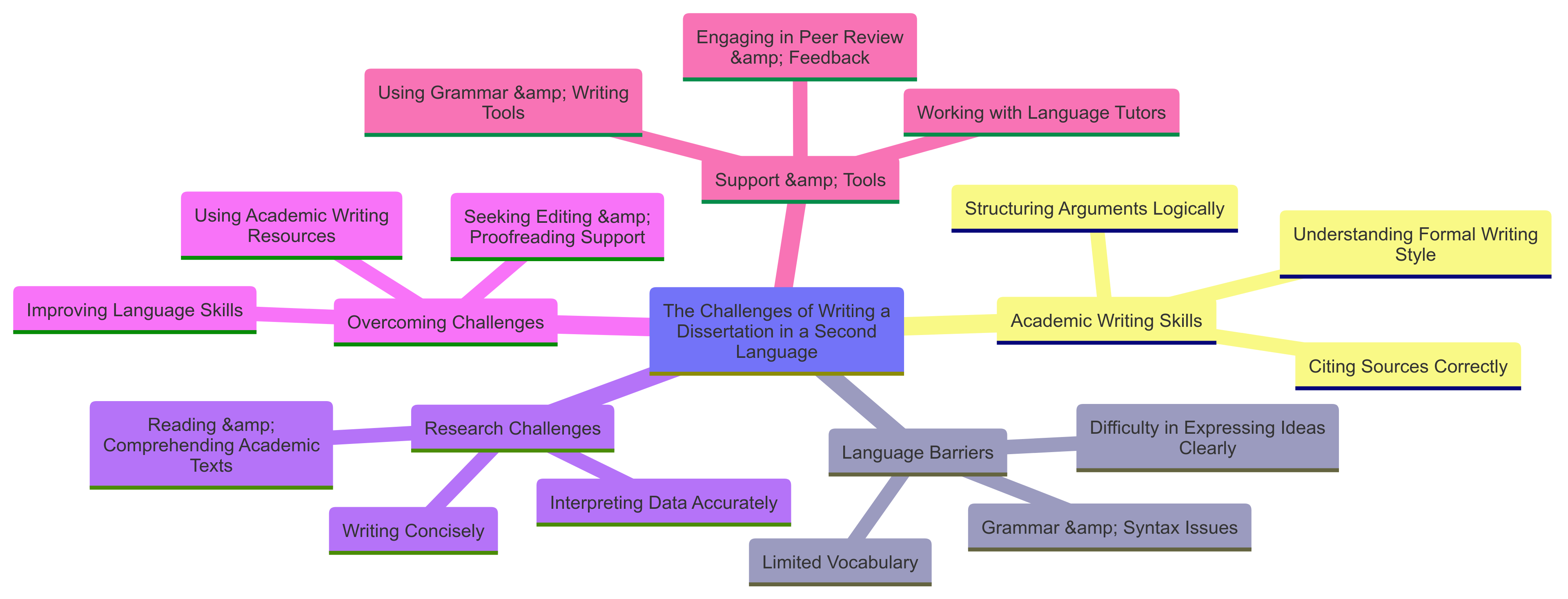
- Turnitin and iThenticate:
These tools are essential for ensuring the originality of your work. They help identify any unintentional similarities with existing literature, allowing you to revise and properly cite your sources.
By incorporating these technological tools into your writing process, you can minimize errors, enhance clarity, and ultimately produce a more polished dissertation.
4. Strategies for Effective Self-Editing and Revision
Self-editing is a critical component of academic writing. For non-native speakers, the revision process is particularly important to ensure that language issues do not obscure your ideas.
A. Develop a Revision Plan
-
Set Aside Dedicated Revision Time:
Allocate specific times in your schedule solely for revising your work. Avoid trying to perfect every sentence in your first draft; instead, focus on refining your ideas and structure in subsequent rounds. -
Use Checklists:
Create a revision checklist that includes grammar, clarity, coherence, and adherence to academic conventions. Checklists help ensure that you systematically address all potential issues.
B. Read Aloud and Peer Review
-
Read Aloud:
Reading your work aloud can help you catch awkward phrasing and grammatical errors that you might miss when reading silently. It also helps ensure that your sentences flow naturally. -
Peer Review:
Sharing your work with peers who are proficient in academic English can provide fresh perspectives. Encourage them to focus on both content and language, and consider their feedback seriously.
C. Incremental Improvements
-
Focus on One Aspect at a Time:
Instead of trying to fix everything in one go, concentrate on one element at a time. For example, dedicate one revision session to checking grammar and another to improving transitions between paragraphs. -
Track Your Progress:
Keep a log of recurring errors and areas where you consistently receive feedback. Over time, this practice will help you become more aware of your weaknesses and gradually reduce them.
Effective self-editing is a skill that improves with practice. The key is to be patient and persistent, understanding that each round of revisions brings you closer to a refined, clear, and polished final dissertation.
5. Seeking Professional Support and Editing Services
Sometimes, even with diligent self-editing and the use of language tools, professional support is necessary to ensure the highest quality of academic writing.
A. Professional Editing Services
-
Specialized Academic Editors:
Consider hiring an editor who specializes in academic writing for non-native speakers. These professionals understand the nuances of academic language and can help refine your work, ensuring that your arguments are clear and compelling. -
University Resources:
Many universities offer writing support services, including editing assistance, workshops, and one-on-one consultations. Take advantage of these resources to improve your dissertation.
B. Writing Centers and Workshops
-
On-Campus Writing Centers:
Most universities have writing centers that provide tutoring and workshops specifically designed to help students improve their academic writing. These centers can offer personalized feedback and guidance. -
Online Workshops:
In addition to campus resources, numerous online platforms offer workshops and courses focused on academic writing. These can be particularly useful if you are studying remotely or need additional practice.
C. Language Partners and Mentorship
-
Language Exchange Programs:
Engaging in language exchange with native speakers can help improve your fluency and confidence. Consider partnering with a peer or mentor who can provide constructive feedback on your writing. -
Academic Mentorship:
Establishing a mentorship relationship with a professor or experienced researcher can provide ongoing support and insights into the academic writing process.
Professional support can be a valuable investment in your academic career, helping you overcome language barriers and ensuring that your dissertation is of the highest quality.
6. Balancing Perfectionism and Progress
One of the most challenging aspects of writing in a second language is the tendency toward perfectionism. While striving for excellence is important, it can also lead to procrastination and excessive self-editing.
A. Setting Realistic Standards
-
Accept Imperfection:
Recognize that no dissertation is ever perfect. Focus on clear communication and the strength of your arguments rather than achieving flawless language on the first try. -
Progress Over Perfection:
Prioritize making steady progress. Set small, achievable goals for each writing session rather than trying to perfect every sentence immediately.
B. Time Management Strategies
-
Scheduled Breaks:
Avoid burnout by taking regular breaks. When you step away from your work, you often return with a fresh perspective that can lead to more effective revisions. -
Task Prioritization:
Focus on high-impact sections first. For instance, ensure that your research arguments and data analysis are strong before revisiting language nuances.
C. Mindset Shifts
-
Embrace the Learning Process:
Writing in a second language is a continuous learning process. Each revision is an opportunity to improve not only your dissertation but also your overall language proficiency. -
Celebrate Milestones:
Acknowledge and celebrate small successes. Recognizing your progress can boost your confidence and reduce the anxiety associated with language perfectionism.
By balancing the desire for perfection with the need for progress, you can maintain momentum and produce work that is both clear and impactful.
7. Real-Life Experiences and Case Studies
Hearing from others who have navigated the challenges of writing a dissertation in a second language can be both inspiring and instructive. Consider these real-life experiences and case studies:
A. Case Study: Overcoming Initial Struggles
An international PhD student in engineering struggled with articulating complex technical concepts in English. Through a combination of intensive academic writing courses, peer review sessions, and the use of advanced language tools, the student gradually improved their writing. By the time of their final dissertation submission, they received positive feedback not only for their research but also for the clarity of their written work.
B. Case Study: Leveraging University Resources
A social sciences doctoral candidate utilized their university’s writing center and online workshops to refine their dissertation. They formed a small writing group with other non-native speakers, which became a support network that provided ongoing feedback and encouragement. This collaborative approach helped them overcome language barriers and complete their dissertation with greater confidence.
C. Case Study: Embracing Mixed Methods for Clarity
A business PhD student found that combining quantitative data with qualitative interviews helped illustrate complex findings more clearly. While the numerical data provided concrete evidence, the qualitative insights added context and depth. This mixed methods approach not only enriched the dissertation’s analysis but also helped clarify complex ideas that were challenging to express in a second language.
These experiences underscore the importance of persistence, resourcefulness, and community support when tackling the challenges of dissertation writing in a second language.
8. Long-Term Benefits of Overcoming Language Barriers
The journey of writing a dissertation in a second language is not without its challenges, but the rewards are substantial. Successfully navigating these hurdles can lead to long-term benefits:
-
Enhanced Communication Skills:
The process of writing, revising, and receiving feedback in a second language improves overall communication skills, which are invaluable in both academic and professional settings. -
Increased Cultural Competence:
Engaging with academic material in a new language often involves understanding different cultural perspectives and academic conventions, enriching your scholarly and personal worldview. -
Greater Resilience and Adaptability:
Overcoming language barriers fosters resilience and the ability to adapt to new challenges—qualities that are essential for a successful career in research and beyond. -
Expanded Academic Opportunities:
Mastering academic writing in a second language can open doors to international collaborations, conference presentations, and publication opportunities in high-impact journals.
Embracing the challenges of writing in a second language not only contributes to your personal growth but also enhances your capacity to contribute original insights to your field.
9. Practical Steps to Start Today
If you’re currently facing challenges with writing your dissertation in a second language, here are some immediate steps you can take:
-
Assess Your Current Skills:
Identify specific areas where you need improvement—be it vocabulary, grammar, or overall writing style. Use online assessments or seek feedback from peers. -
Enroll in a Writing Course:
Consider taking an academic writing course tailored for non-native speakers. Many universities and online platforms offer courses that focus on the nuances of scholarly English. -
Establish a Writing Routine:
Dedicate specific times each day for dissertation writing. Consistent practice is key to improvement. -
Utilize Language Tools:
Start using tools like Grammarly and Hemingway Editor to get real-time feedback on your writing. Over time, you will internalize many of the suggested corrections. -
Join a Peer Group:
Find a study group or writing circle where you can share drafts, exchange feedback, and support one another through the writing process. -
Seek Professional Feedback:
If possible, hire an academic editor or consult your university’s writing center for professional guidance on your drafts. -
Keep a Writing Journal:
Document your challenges, strategies, and progress. Reflecting on your journey can provide motivation and help you track improvements over time.
Taking these practical steps can immediately help you overcome language barriers and build confidence in your academic writing.
10. Final Thoughts: Embracing the Journey
Writing a dissertation in a second language is undoubtedly challenging, but it is also an opportunity to develop skills that will serve you throughout your academic and professional life. Every challenge you overcome strengthens your resilience, improves your communication, and enriches your understanding of scholarly discourse. With the right strategies, tools, and support systems in place, you can transform language barriers into stepping stones toward academic excellence.
Remember, the goal of your dissertation is to contribute meaningful knowledge to your field. The quality of your research is ultimately determined by the rigor of your analysis and the clarity of your arguments, not by the perfection of your language. By focusing on continuous improvement, seeking feedback, and leveraging available resources, you can produce a dissertation that stands as a testament to your dedication and intellectual capabilities.
At DissertationAssist.com, we are committed to supporting you through every challenge of your dissertation journey. Whether you need tips on improving your academic writing, assistance with editing, or recommendations for language tools, our resources are here to help you succeed.
Good luck on your dissertation journey. Embrace the process, learn from each experience, and remember that every word you write brings you one step closer to achieving your academic goals.