The Role of Ethical Considerations in Dissertation Research Explore the ethical issues involved in dissertation research, including consent, privacy, and integrity, and how to navigate these challenges while maintaining scholarly rigor
 : 514
: 514
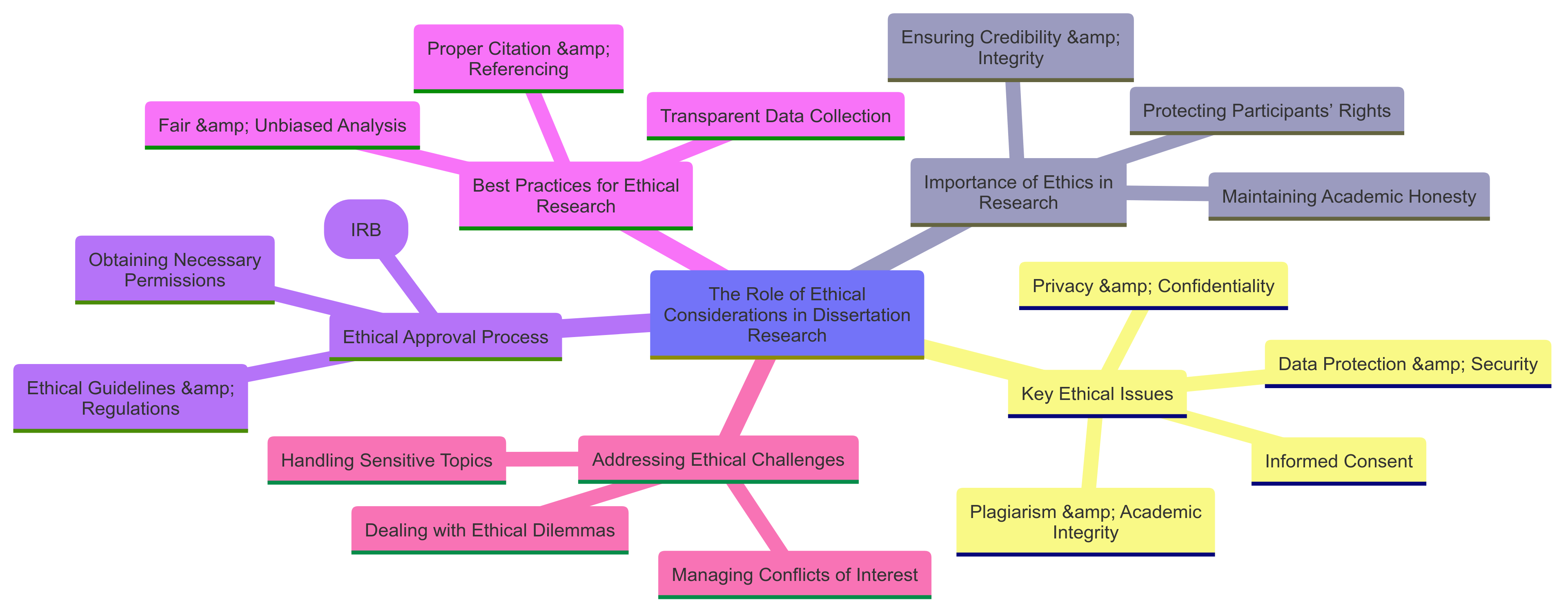
Ethics is the cornerstone of scholarly research. In dissertation research, ethical considerations not only safeguard the rights and well-being of participants but also ensure the integrity, credibility, and rigor of your study. Navigating ethical challenges—from obtaining informed consent to safeguarding privacy and ensuring academic honesty—requires careful planning, transparency, and adherence to established guidelines. This comprehensive guide explores the key ethical issues involved in dissertation research and offers practical strategies to address them while maintaining scholarly rigor.
1. The Importance of Ethics in Dissertation Research
Ethical research practices are fundamental to academic integrity and the advancement of knowledge. The importance of ethics in dissertation research can be understood through several key points:
-
Protecting Participants:
Ethical considerations ensure that individuals who contribute to your research—whether through surveys, interviews, or observations—are treated with respect, and their rights and dignity are safeguarded. This includes securing informed consent, ensuring privacy, and minimizing harm. -
Enhancing Credibility:
Adhering to ethical guidelines enhances the credibility of your research. Ethical lapses, such as data fabrication or plagiarism, can damage your reputation and compromise the validity of your findings. -
Compliance with Regulations:
Most academic institutions and funding bodies require researchers to follow strict ethical standards. Meeting these requirements is essential not only for obtaining ethical approval but also for maintaining the legal and institutional credibility of your work. -
Fostering Trust:
Ethical research practices build trust between researchers and participants, as well as within the broader academic community. Trust is essential for the open exchange of ideas and for the continued support of research endeavors.
Understanding these foundational reasons emphasizes why ethical considerations are not merely bureaucratic hurdles but essential elements of responsible scholarship.
2. Key Ethical Issues in Dissertation Research
Dissertation research can present a range of ethical challenges. Here, we explore the most common ethical issues and discuss strategies for addressing them.
A. Informed Consent
-
Definition:
Informed consent is the process by which participants are fully informed about the nature of the research, including its purpose, procedures, potential risks, and benefits, before voluntarily agreeing to participate. -
Strategies:
- Clear Communication: Use language that is accessible to your participants. Avoid technical jargon and explain the research process in straightforward terms.
- Written Consent Forms: Develop comprehensive consent forms that outline the study details and ensure participants sign them before taking part.
- Ongoing Consent: Recognize that informed consent is not a one-time event. Participants should be reminded of their rights throughout the research process and have the option to withdraw at any time.
B. Privacy and Confidentiality
-
Definition:
Privacy refers to the right of individuals to control access to their personal information, while confidentiality involves the obligation of the researcher to protect that information. -
Strategies:
- Anonymization: Remove or alter any personally identifiable information from your data to protect the privacy of participants.
- Secure Data Storage: Implement robust data storage methods, such as encrypted digital storage or locked filing systems, to prevent unauthorized access.
- Clear Privacy Policies: Inform participants about how their data will be used, stored, and shared. Clearly communicate the measures taken to ensure confidentiality.
C. Data Integrity and Honesty
-
Definition:
Data integrity involves ensuring that data is collected, analyzed, and reported accurately and honestly, without fabrication, falsification, or selective reporting. -
Strategies:
- Transparent Methodology: Clearly document your research methods, data collection processes, and analysis techniques. Transparency allows others to assess the validity of your work.
- Accurate Reporting: Report all findings accurately, including results that do not support your hypotheses. Selective reporting can lead to biased conclusions and undermine your research.
- Plagiarism Prevention: Ensure that all sources are properly cited and that your work is original. Utilize plagiarism detection software to verify the originality of your dissertation.
D. Handling Sensitive Data
-
Definition:
Sensitive data includes any information that could potentially harm participants if disclosed, such as medical records, personal opinions, or financial details. -
Strategies:
- Ethical Approval: Seek approval from your institution’s ethics committee or review board before collecting sensitive data.
- Minimize Data Collection: Only collect data that is essential to your research question. Avoid gathering unnecessary sensitive information.
- Participant Protection: Inform participants about the sensitivity of the data and the steps taken to protect it. Ensure that they are comfortable with the data collection process.
E. Conflicts of Interest
-
Definition:
A conflict of interest arises when personal, financial, or professional interests could compromise the integrity or objectivity of your research. -
Strategies:
- Disclosure: Clearly disclose any potential conflicts of interest in your dissertation.
- Independent Review: Where possible, have your research reviewed by independent parties who can provide an unbiased perspective.
- Separation of Interests: Maintain a clear separation between your personal interests and your research activities to ensure objectivity.
3. Navigating Ethical Challenges: Institutional and Regulatory Guidelines
Every institution and funding body has specific ethical guidelines that researchers must follow. Familiarizing yourself with these guidelines is a critical step in ensuring ethical compliance.
A. Institutional Review Board (IRB) or Ethics Committee
-
Purpose:
Before beginning your research, you must often submit a detailed proposal to your institution’s IRB or ethics committee. This review process ensures that your study meets ethical standards and that risks to participants are minimized. -
Preparation:
- Detailed Proposal: Prepare a comprehensive proposal that includes your research questions, methodology, data handling procedures, and ethical considerations.
- Informed Consent Process: Clearly outline how you will obtain informed consent and protect participant privacy.
- Risk Assessment: Identify potential risks and describe the measures you will take to mitigate them.
B. Adhering to National and International Guidelines
-
Research Ethics Codes:
Familiarize yourself with ethical codes relevant to your discipline, such as the American Psychological Association (APA) Ethics Code for psychology or the Declaration of Helsinki for biomedical research. -
Legal Considerations:
Be aware of any legal requirements related to data protection, such as the General Data Protection Regulation (GDPR) in Europe or other local data protection laws.
C. Continuous Ethical Reflection
-
Ongoing Review:
Ethical considerations are not static. As your research progresses, continuously evaluate your methods and practices to ensure ongoing ethical compliance. -
Participant Feedback:
Maintain open communication with your participants. Their feedback can alert you to unforeseen ethical issues, allowing you to address them promptly.
Adhering to institutional and regulatory guidelines not only ensures the ethical integrity of your research but also protects you from potential legal and professional repercussions.
4. Balancing Ethical Rigor with Scholarly Rigor
Ethical considerations and scholarly rigor go hand in hand. While ethics focuses on the rights and well-being of participants, scholarly rigor ensures that your research is valid, reliable, and contributes meaningfully to your field.
A. Transparent Methodology
-
Clear Documentation:
Transparently document every step of your research process, from data collection to analysis. This documentation not only supports the validity of your findings but also demonstrates your commitment to ethical practices. -
Replication:
A transparent methodology allows other researchers to replicate your study, which is a hallmark of rigorous research. Replication further validates your results and enhances the impact of your work.
B. Critical Reflection on Ethical Trade-Offs
-
Weighing Risks and Benefits:
Every research study involves trade-offs between obtaining valuable insights and protecting participant rights. Reflect critically on these trade-offs and justify your decisions. -
Iterative Ethics:
Engage in an iterative process where you continuously assess and adjust your ethical practices in response to feedback and emerging challenges.
C. Training and Professional Development
-
Ethics Training:
Participate in ethics training sessions and workshops. These programs can provide you with the latest guidelines and best practices in research ethics. -
Mentorship:
Seek guidance from experienced researchers who can share insights into balancing ethical considerations with scholarly demands.
By integrating ethical rigor with methodological precision, you ensure that your dissertation is not only impactful but also respectful and responsible.
5. Case Studies and Real-Life Examples
Examining real-life examples can provide valuable insights into how ethical considerations are handled in dissertation research. Consider these case studies:
A. Case Study: Informed Consent in Sensitive Research
A sociology dissertation involved researching personal experiences of discrimination in the workplace. Recognizing the sensitive nature of the topic, the researcher implemented a robust informed consent process that included detailed explanations of the study, potential risks, and measures to protect participant anonymity. Regular check-ins and the option for participants to withdraw at any time helped build trust and ensure ethical compliance. The careful handling of informed consent not only safeguarded participants but also enriched the quality of the data collected, as participants felt secure in sharing their experiences.
B. Case Study: Managing Confidentiality in Health Research
In a biomedical dissertation examining patient outcomes, maintaining confidentiality was paramount. The researcher anonymized all patient data, used encrypted digital storage, and limited data access to a small, trusted team. Additionally, the study received ethical approval from the institutional review board, and the researcher provided detailed documentation of data handling procedures. The result was a highly credible dissertation that protected patient privacy while providing robust, generalizable findings.
C. Case Study: Ethical Challenges in Mixed Methods Research
A business dissertation exploring organizational behavior employed a mixed methods approach, combining quantitative surveys with qualitative interviews. The researcher faced ethical challenges in balancing data collection methods, ensuring that both numerical data and personal narratives were handled with sensitivity. By implementing strict data management protocols and obtaining comprehensive informed consent for both components, the researcher maintained high ethical standards. The integrated approach allowed for rich, nuanced insights into organizational dynamics while upholding rigorous ethical practices.
These case studies illustrate that ethical considerations are not obstacles but essential components that enhance the quality and impact of your research.
6. Practical Tips for Implementing Ethical Practices
Implementing ethical practices in your dissertation research can be achieved through several practical steps:
A. Develop an Ethics Checklist
-
Create a Comprehensive List:
List all potential ethical issues relevant to your study—such as informed consent, data confidentiality, and participant welfare. -
Use the Checklist:
Refer to this checklist throughout your research process to ensure that you have addressed each issue thoroughly.
B. Maintain Open Communication
-
Engage with Participants:
Keep participants informed about the study’s progress and any changes that may affect them. Open communication builds trust and ensures ongoing consent. -
Regular Advisor Meetings:
Discuss ethical challenges with your advisor or ethics committee regularly. Their insights can help you navigate difficult decisions and refine your ethical practices.
C. Document Everything
-
Detailed Records:
Keep thorough records of your ethical considerations, including consent forms, data handling procedures, and communications with ethics committees. -
Transparent Reporting:
In your dissertation, include a section on ethical considerations that explains how you addressed each issue. Transparency enhances the credibility of your research.
D. Stay Informed
-
Keep Up with Guidelines:
Regularly review the latest ethical guidelines in your field. Staying updated on best practices ensures that your research remains compliant with current standards. -
Engage in Professional Development:
Attend seminars, workshops, or courses on research ethics. Continuous learning reinforces your commitment to ethical research practices.
By incorporating these practical tips, you can build a robust ethical framework that supports every stage of your dissertation research.
7. Balancing Ethical Considerations with Research Objectives
Achieving a balance between ethical considerations and research objectives is a dynamic process that requires ongoing reflection and adjustment.
A. Prioritize Participant Welfare
- Safety and Respect:
Always prioritize the safety, dignity, and rights of your participants. This ethical commitment should guide all aspects of your research, from design to data collection and reporting.
B. Align Ethical Practices with Research Goals
-
Integrate Ethics into Your Methodology:
Ensure that your research design incorporates ethical safeguards without compromising the rigor or scope of your study. For example, design your surveys or interviews to minimize discomfort and ensure that participants fully understand their rights. -
Reflect on Trade-Offs:
Occasionally, research objectives may conflict with ethical considerations. In such cases, carefully weigh the potential benefits of the research against the risks to participants and adjust your approach accordingly.
C. Foster a Culture of Integrity
-
Model Ethical Behavior:
As a researcher, your commitment to ethical practices sets an example for peers and future scholars. By maintaining high ethical standards, you contribute to a broader culture of integrity within your academic community. -
Transparency in Reporting:
Clearly communicate the ethical measures you have taken in your dissertation. This transparency not only bolsters the credibility of your research but also contributes to the ongoing conversation about ethical practices in academia.
Balancing ethical considerations with your research objectives ensures that your dissertation is both impactful and responsible.
8. The Long-Term Impact of Ethical Dissertation Research
Ethical dissertation research has implications that extend far beyond the completion of your degree. Its impact is felt in several key areas:
A. Academic Reputation
- Trust and Credibility:
Conducting ethical research builds your reputation as a trustworthy and responsible scholar. This credibility is crucial for academic publishing, future research opportunities, and professional advancement.
B. Contribution to the Field
-
Quality and Reliability:
Ethical practices ensure that your research findings are reliable, valid, and replicable. High-quality research contributes meaningfully to the existing body of knowledge and can influence future studies. -
Guiding Future Research:
Your adherence to ethical standards sets a benchmark for future researchers. It fosters a culture of integrity and encourages the development of robust, ethically sound research methodologies.
C. Personal and Professional Growth
-
Skill Development:
Navigating ethical challenges enhances your critical thinking, decision-making, and problem-solving skills—competencies that are invaluable throughout your academic and professional life. -
Resilience and Adaptability:
Overcoming ethical dilemmas and maintaining integrity under pressure cultivates resilience, preparing you for the complex challenges of future research endeavors.
The long-term benefits of ethical dissertation research extend into every facet of your career, enhancing both your personal development and your contributions to your field.
9. Final Thoughts: Embracing Ethics as a Pillar of Scholarly Excellence
Ethical considerations are not merely regulatory requirements—they are integral to producing research that is responsible, credible, and impactful. By carefully addressing issues such as informed consent, privacy, data integrity, and conflicts of interest, you ensure that your dissertation meets the highest standards of academic integrity.
Key takeaways include:
-
Prioritize Participant Welfare:
Always put the rights and well-being of your participants at the forefront of your research design. -
Maintain Transparency:
Document and report your ethical practices clearly. Transparency enhances the credibility of your research and facilitates trust. -
Integrate Ethics into Every Stage:
From planning and data collection to analysis and reporting, embed ethical considerations into every aspect of your work. -
Reflect and Adapt:
Continuously assess and refine your ethical practices. Adapt to new challenges as your research evolves. -
Seek Support:
Utilize institutional resources, professional training, and advisor guidance to navigate ethical challenges effectively.
Embracing ethical practices as a core component of your dissertation not only ensures that your research is sound and reliable but also contributes to the advancement of a culture of integrity in academia. The skills and insights you gain through this process will serve you well throughout your academic and professional journey.
At DissertationAssist.com, we are dedicated to helping you navigate every aspect of your dissertation journey—including the critical realm of ethics. Our resources and expert advice are here to support you in producing a dissertation that stands as a testament to both scholarly excellence and ethical responsibility.
Good luck on your dissertation journey. May your research be ethical, your findings robust, and your contributions to your field both meaningful and impactful.