Dissertation Writing for STEM Students: Unique Considerations
Dissertation writing is challenging for every discipline, but STEM (Science, Technology, Engineering, and Mathematics) students face a distinct set of hurdles. From technical writing to complex data analysis and the presentation of intricate ideas in accessible formats, STEM dissertations require a unique blend of precision, clarity, and creativity. In this in-depth guide, we’ll examine the particular challenges faced by STEM students and provide actionable strategies to overcome them. We’ll also explore how professional support from DissertationAssist can help you navigate the process and elevate your research.
Understanding the STEM Dissertation Landscape
Dissertations in STEM fields differ significantly from those in the humanities or social sciences. STEM research often involves rigorous experimentation, advanced statistical analyses, and the presentation of highly technical material. The primary goal is to contribute novel insights while adhering to strict methodological standards. This multifaceted challenge requires not only a deep understanding of complex subjects but also the ability to communicate your findings clearly and concisely.
Key Characteristics of STEM Dissertations:
-
Technical Rigor:
STEM dissertations demand precise descriptions of experiments, methodologies, and data analysis. Every detail must be accurate to ensure reproducibility and reliability. -
Complex Data Analysis:
With large data sets and advanced computational methods often at the heart of STEM research, presenting your results in an understandable format is critical. -
Interdisciplinary Approach:
Many modern STEM projects incorporate elements from multiple disciplines, requiring you to balance diverse methodologies and terminologies. -
Visual Representations:
Graphs, charts, tables, and diagrams are integral to conveying complex information in a digestible manner. -
Innovative Thinking:
STEM research often pushes the boundaries of current knowledge, necessitating a creative approach to problem-solving and hypothesis testing.
Understanding these aspects is the first step toward developing a robust strategy for writing your dissertation.
Unique Challenges for STEM Students
While every dissertation has its challenges, STEM students face several specific issues that require special attention:
1. Technical Writing and Terminology
STEM dissertations are laden with technical jargon and specialized language. Although precision is paramount, excessive complexity can make your work inaccessible—even to peers in your field. Striking the right balance between technical accuracy and readability is essential.
-
Clarity Without Oversimplification:
Your goal should be to explain complex ideas clearly without diluting the scientific content. Use well-defined terms and include brief explanations or glossaries when necessary. -
Consistency in Terminology:
Consistent use of terminology is crucial. Switching between synonyms or abbreviations without clear definitions can confuse your readers and obscure your arguments. -
Avoiding Unnecessary Complexity:
Aim to simplify where possible. Break down long, complex sentences and avoid unnecessary technical details in the main text by placing them in appendices or supplementary materials.
2. Data Analysis and Interpretation
Data is the lifeblood of STEM research, and managing it effectively can be a daunting task.
-
Handling Large Datasets:
STEM research often involves vast amounts of data. Organizing, cleaning, and analyzing this data requires sophisticated tools and techniques. Learning software such as MATLAB, R, Python, or specialized statistical programs is essential. -
Statistical Rigor:
Proper statistical analysis is not just about running tests; it’s about interpreting the results correctly. Misinterpretation can lead to false conclusions and undermine the validity of your research. -
Visualization of Results:
Complex data needs to be presented visually to be fully understood. Create clear, well-labeled graphs and charts that highlight key findings without overwhelming your reader. -
Reproducibility:
Document your methodologies and data analysis processes meticulously. Reproducibility is a cornerstone of scientific research, and your dissertation should enable others to replicate your work.
3. Presenting Complex Ideas in an Accessible Format
Even the most groundbreaking research can fall flat if it isn’t communicated effectively. STEM students must ensure that their dissertations are accessible to a broad audience, including peers, examiners, and sometimes interdisciplinary readers.
-
Structure and Organization:
A well-structured dissertation with clear headings, subheadings, and logical transitions is essential. Each section should build on the previous one, guiding the reader through your argument. -
Effective Use of Visuals:
Utilize diagrams, flowcharts, and other visuals to break down complex concepts. Visual aids can simplify the presentation of detailed information and support the narrative in your text. -
Clear Abstracts and Summaries:
Ensure that your abstract and conclusion summarize your key findings in simple language. These sections often form the first impression of your work, so clarity is critical. -
Balancing Detail and Brevity:
It’s important to provide sufficient detail for validation while avoiding information overload. Summarize detailed methodologies and refer to supplementary materials when needed.
4. Time Management and Integration of Research Components
STEM dissertations require the integration of various components—from literature reviews and experimental results to detailed data analyses. Balancing these elements can be challenging.
-
Planning and Scheduling:
Develop a comprehensive timeline that includes milestones for each chapter. Breaking the project into manageable tasks can prevent overwhelm and ensure steady progress. -
Iterative Writing Process:
STEM research is often iterative. New data or insights might require revisiting and revising earlier sections. Build flexibility into your schedule to accommodate these revisions. -
Collaboration and Feedback:
Engage with your advisor and peers regularly. Their feedback can provide new perspectives and help you catch errors or oversights before they become significant issues.
Strategies to Overcome STEM Dissertation Challenges
Given these unique challenges, here are some practical strategies to help you create a high-quality dissertation:
1. Develop a Clear Outline and Structure
A comprehensive outline is the blueprint for your dissertation. It helps organize your thoughts and ensures that each section logically flows into the next.
-
Start with a Skeleton Outline:
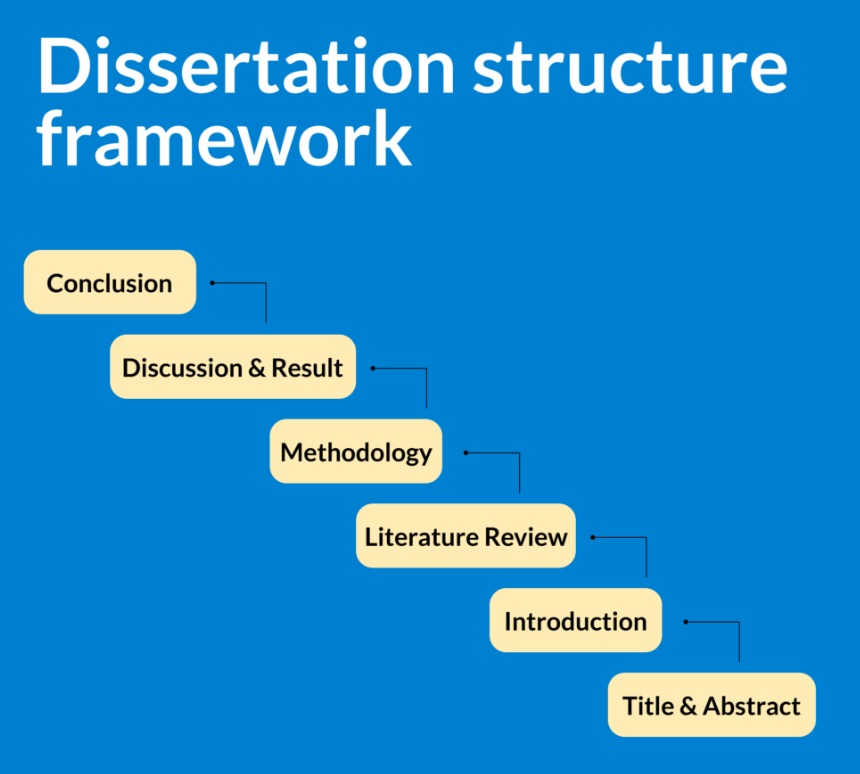
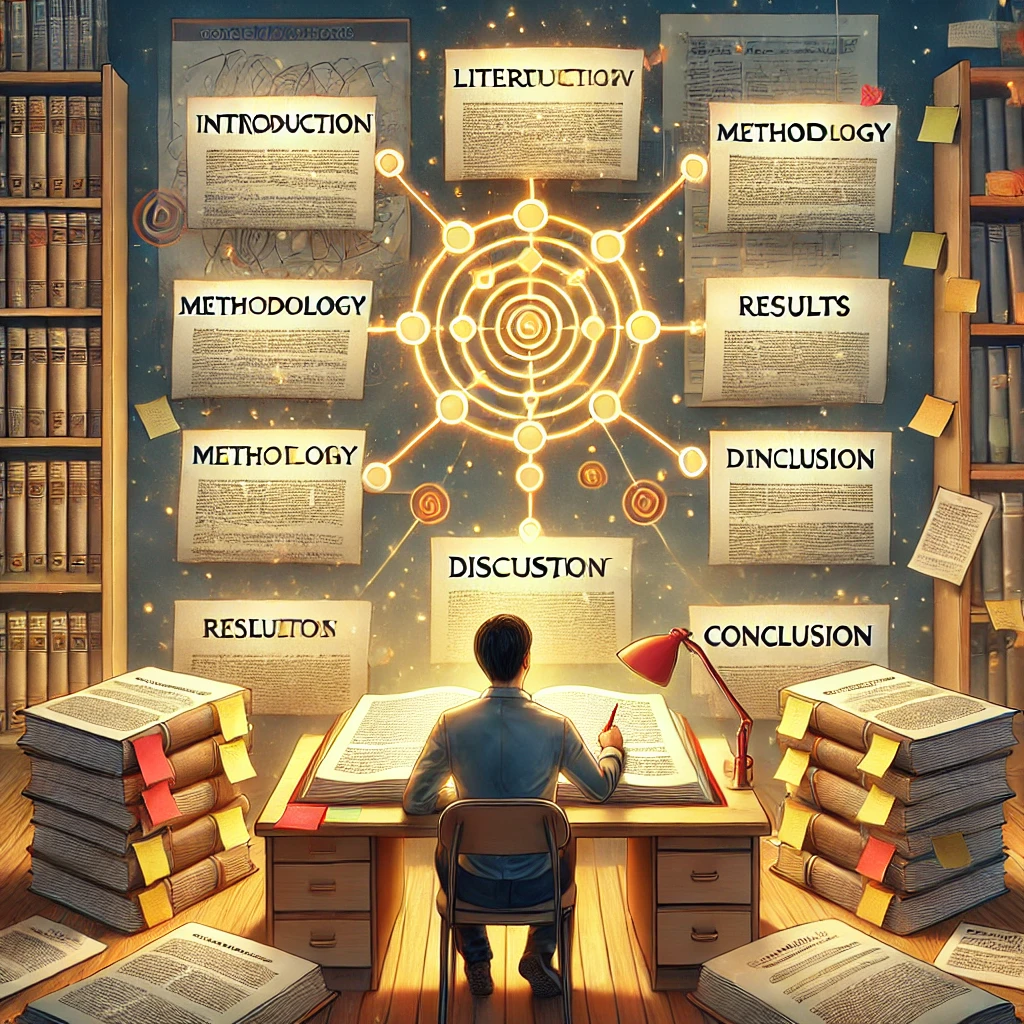
Break down your dissertation into standard chapters: Introduction, Literature Review, Methodology, Results, Discussion, and Conclusion. This framework provides a clear starting point. -
Detail Each Section:
For every chapter, list the key points, sub-sections, and specific details you plan to cover. This detailed plan ensures that nothing important is overlooked. -
Allow Flexibility:
Remember that your outline is a living document. As your research evolves, update your outline to reflect new insights and data.
Tip: If you need help structuring your outline or want to see examples of successful dissertations, consider ordering professional assistance or reviewing Sample Dissertation Help from experts who understand the STEM landscape.
2. Master Technical Writing Techniques
Effective technical writing is a critical skill for STEM students. It requires clear communication of complex ideas without sacrificing accuracy.
-
Use Clear and Concise Language:
Aim for simplicity without compromising the scientific integrity of your content. Define technical terms and use them consistently throughout your dissertation. -
Break Down Complex Concepts:
Divide lengthy explanations into shorter paragraphs or bullet points. Visual aids such as diagrams and flowcharts can help illustrate complex processes. -
Edit and Revise:
Multiple rounds of editing are essential. Focus on clarity, consistency, and readability. Consider using professional proofreading services—DissertationAssist can offer expert feedback to ensure your writing meets high academic standards.
3. Leverage Technology for Data Analysis
Handling complex data is a central challenge for STEM dissertations. Modern software tools can simplify the process and enhance the accuracy of your analysis.
-
Use Statistical Software:
Familiarize yourself with advanced tools like R, Python, SPSS, or MATLAB. These programs can handle large datasets, perform sophisticated analyses, and generate visual representations of your data. -
Automate Repetitive Tasks:
Use scripts and automated routines to process data. Automation reduces human error and saves time, allowing you to focus on interpreting your results. -
Document Your Process:
Keep detailed records of your data analysis methods, including code, scripts, and software versions. This documentation not only supports reproducibility but also makes it easier to revise your analysis if needed.
4. Enhance Your Presentation of Complex Ideas
Presenting your research in a clear, accessible manner is crucial, especially when your audience includes interdisciplinary experts.
-
Use Visuals Effectively:
Incorporate graphs, charts, tables, and diagrams to represent your data visually. Ensure that every visual aid is well-labeled, with clear legends and captions that explain the content. -
Create Clear Summaries:
Write concise summaries at the end of each chapter. These summaries should highlight the key findings and explain how they contribute to your overall research question. -
Engage in Peer Review:
Share your draft with colleagues and mentors who can offer constructive feedback. Peer review is particularly valuable for identifying areas where complex ideas may be unclear or require further explanation.
5. Manage Your Time and Stay Organized
Time management is essential when juggling the many components of a STEM dissertation. Establishing a structured work plan can help you meet deadlines and maintain momentum.
-
Create a Detailed Timeline:
Break your dissertation into smaller tasks and assign deadlines to each. Use project management tools like Trello or Asana to track your progress. -
Set Regular Milestones:
Establish clear milestones for completing chapters, data analysis, and revisions. This approach keeps you accountable and prevents last-minute rushes. -
Integrate Feedback Loops:
Regularly meet with your advisor and peers to discuss your progress. Their ongoing feedback can help you adjust your timeline and focus on areas that need improvement.
Tip: If managing your dissertation timeline feels overwhelming, consider contacting DissertationAssist for expert guidance on project management and organization.
Overcoming Psychological Barriers
The dissertation process can be mentally taxing, particularly in STEM fields where precision is paramount. Here are some strategies to maintain your motivation and mental well-being throughout your research journey:
1. Embrace a Growth Mindset
Understanding that setbacks and revisions are part of the process can help reduce anxiety. Every piece of feedback or unexpected result is an opportunity to learn and improve.
-
View Challenges as Opportunities:
Rather than seeing obstacles as failures, view them as stepping stones toward a better, more refined dissertation. -
Celebrate Small Wins:
Acknowledge your progress along the way—whether it’s completing a difficult chapter or successfully analyzing a challenging dataset.
2. Build a Support Network
Dissertation writing can be isolating, but you don’t have to do it alone. Engaging with peers, advisors, and professional services can provide both emotional and academic support.
-
Join Writing Groups:
Participating in writing groups or peer review sessions can offer fresh perspectives and keep you motivated. -
Seek Professional Help:
When the pressure mounts, consider professional support. Services like DissertationAssist offer tailored assistance that not only refines your writing but also helps you manage the psychological demands of dissertation research.
3. Maintain Work-Life Balance
Balancing intense research with personal time is essential for long-term success. Schedule breaks, exercise, and downtime to keep your mind fresh and focused.
-
Set Boundaries:
Establish clear work hours and stick to them. This boundary helps prevent burnout and keeps your productivity sustainable. -
Practice Self-Care:
Incorporate activities that relax and rejuvenate you—whether it’s a hobby, meditation, or simply spending time with loved ones.
Integrating Professional Support for STEM Dissertation Success
While the challenges of STEM dissertation writing can be significant, you don’t have to face them alone. Professional services like DissertationAssist are designed to support students at every stage of the dissertation process.
Expert Guidance on Technical Writing
STEM research demands a high level of technical accuracy. Professional editors with experience in STEM disciplines can help you:
-
Refine Your Technical Language:
Ensure that your writing is both precise and accessible, striking the right balance between complexity and clarity. -
Improve the Logical Flow:
Provide feedback on the structure of your dissertation to guarantee that each chapter builds on the last, creating a cohesive narrative.
Advanced Data Analysis Support
Data is central to STEM research, and professional assistance can enhance your data analysis process:
-
Statistical Consultation:
Expert advisors can help you choose the right statistical methods and software, ensuring that your analysis is rigorous and accurate. -
Visualization Techniques:
Professionals can guide you on creating clear, effective visual representations of your data, making your findings more accessible to your readers.
Overall Project Management and Organization
Balancing the multiple components of a STEM dissertation is a significant challenge. Professional support can help you stay organized and on track:
-
Timeline Development:
Work with experts to develop a realistic timeline that breaks your dissertation into manageable segments. -
Continuous Feedback:
Benefit from ongoing reviews and feedback sessions, ensuring that your research remains aligned with your goals and academic standards.
Tip: For comprehensive assistance, consider ordering professional help or contacting DissertationAssist to discuss your specific needs. Their expertise can make the difference between a good dissertation and a truly outstanding one.
Case Study: A STEM Dissertation Success Story
Consider the example of a graduate student in engineering who was researching the development of sustainable energy solutions. This project involved complex simulations, large datasets, and intricate experimental protocols. Here’s how the student overcame the unique challenges of STEM dissertation writing:
-
Establishing a Clear Roadmap:
The student began by developing a comprehensive outline that broke down the project into clear chapters—from the introduction and literature review to the methodology, results, and discussion. This roadmap served as a constant guide throughout the research process. -
Leveraging Digital Tools for Data Analysis:
Advanced software was used to analyze the vast amounts of data generated from experiments. The student documented every step of the data processing workflow to ensure reproducibility. -
Enhancing Technical Writing:
Recognizing the need to communicate complex ideas effectively, the student revised technical sections multiple times, seeking feedback from both peers and professional editors. This iterative process helped refine the technical language and ensured clarity. -
Using Visual Aids:
Detailed graphs, charts, and simulation screenshots were integrated into the dissertation. These visuals not only illustrated key findings but also made the technical data more accessible. -
Integrating Professional Support:
Throughout the process, the student consulted with experts at DissertationAssist, who provided guidance on refining the outline, improving data visualization, and ensuring that the final document met academic standards.
The result was a well-organized, meticulously detailed dissertation that not only advanced sustainable energy research but also set a benchmark for clarity and technical precision. This case study underscores the importance of a structured approach and professional support in tackling the unique challenges of STEM dissertations.
Conclusion: Embracing the Challenges and Celebrating the Successes
Dissertation writing for STEM students is a multifaceted journey that requires technical proficiency, analytical rigor, and the ability to present complex ideas in an accessible format. From mastering technical writing and managing large datasets to creating clear visualizations and maintaining an organized structure, each step presents its own set of challenges. However, with a clear strategy, meticulous planning, and the willingness to embrace professional support, these challenges can be transformed into opportunities for academic growth.
By developing a comprehensive outline, refining your technical language, leveraging advanced data analysis tools, and seeking continuous feedback, you pave the way for a dissertation that stands as a testament to both your expertise and your dedication to advancing your field. Remember that every challenge you overcome adds to your skill set and strengthens your research.
For STEM students facing the daunting task of dissertation writing, know that you are not alone. Professional services like DissertationAssist offer tailored assistance to help you refine every aspect of your work—from the initial outline to the final edits. Whether you’re looking to order professional assistance, contact experts for advice, or review Sample Dissertation Help for inspiration, there is a wealth of support available to ensure your success.
Embrace the unique challenges of STEM dissertation writing as opportunities to push the boundaries of knowledge, enhance your technical skills, and contribute meaningfully to your field. With careful planning, persistent effort, and the right support network, you can transform your dissertation into a landmark achievement that resonates with clarity, precision, and innovative insight.
Happy writing, and here’s to your academic success in the dynamic world of STEM research!