Discover tips for finding a dissertation advisor who aligns with your research interests, offers constructive feedback, and provides guidance throughout your dissertation journey.

Finding the right dissertation advisor is one of the most crucial steps in your graduate studies. An advisor can not only help shape your research but also serve as a mentor, guide, and advocate throughout your academic journey. The relationship you build with your advisor can have lasting implications on your dissertation’s success, your career trajectory, and even your personal growth as a scholar. In this comprehensive guide, we explore the factors you should consider when selecting a dissertation advisor, offer tips for making the best choice, and provide insights into how to foster a productive working relationship.
Introduction: The Importance of a Dissertation Advisor
A dissertation advisor is much more than just a committee member who signs off on your work. This individual is a cornerstone of your research experience—a trusted mentor who will help you navigate the complexities of academic research, overcome challenges, and refine your ideas. The right advisor can provide:
- Expertise in your area of study: They have a deep understanding of the subject matter and can help you shape your research questions.
- Guidance through academic hurdles: From methodological challenges to writing difficulties, your advisor offers advice and support.
- Networking opportunities: Advisors often introduce you to other experts in your field and help build your academic network.
- Constructive feedback: Regular, honest feedback is essential for refining your work and ensuring it meets academic standards.
However, finding the right advisor is a multi-step process that requires careful reflection, research, and interaction. This guide will walk you through each step so that you can confidently select an advisor who is the best fit for your academic and personal needs.
Assessing Your Research Interests and Goals
Before you even begin to look at potential advisors, you need to have a clear idea of your own research interests and long-term academic goals. This self-assessment is essential because the right advisor for one student might not be the right advisor for another.
Identify Your Research FocusAsk yourself:
- What are the specific topics or questions that ignite your passion?
- What areas do you want to explore further?
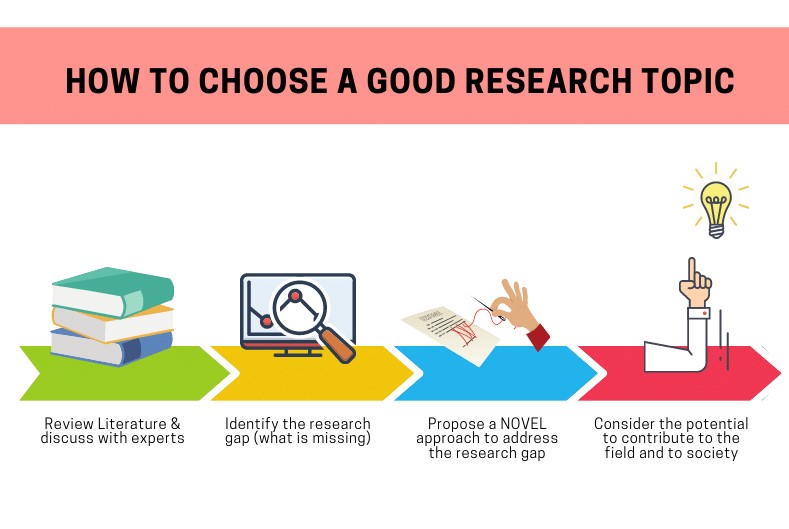
- What gaps in the existing literature do you hope to address?
Having a clearly defined research focus will help you identify faculty members whose work aligns with your interests. Read recent publications in your field, attend conferences, and participate in academic discussions. This will not only deepen your understanding but also help you pinpoint the scholars whose expertise resonates with your research vision.
Define Your Long-Term GoalsYour goals might include:
- Academic career aspirations: If you hope to become a professor or researcher, you might want an advisor with a strong record in academia.
- Industry-related research: If your focus is more applied, consider advisors with connections to industry or practical research projects.
- Interdisciplinary interests: For students interested in crossing traditional disciplinary boundaries, an advisor who has experience with interdisciplinary research is invaluable.
Understanding your goals will allow you to match your needs with an advisor’s strengths. For instance, if you’re interested in innovative methodologies or emerging fields, look for advisors who have a reputation for pioneering new approaches.
Researching Potential Advisors
Once you’ve clarified your interests and goals, the next step is to research potential advisors. This involves exploring faculty profiles, reading their recent work, and understanding their mentoring style.
Explore Faculty ProfilesUniversity websites typically have detailed profiles of faculty members. Look for:
- Research interests and specialties: Ensure these align with your own focus.
- Recent publications: This gives you a sense of their current research activities and academic style.
- Past student projects: Many faculty profiles highlight the work of their previous advisees, which can indicate the kind of guidance they offer.
- Professional achievements and awards: These can signal the advisor’s standing in the field.
Create a list of potential advisors whose work closely aligns with your research interests. As you compile your list, note down any common themes or ideas that stand out.
Read Their WorkTo truly gauge an advisor’s expertise, read a few of their most recent publications. Look for:
- Theoretical frameworks and methodologies: How do they approach their research? Does their method align with your own ideas?
- Tone and style: Is their writing clear and accessible? Do you find their arguments persuasive?
- Research trends: Are they engaged with current debates and trends in your field?
If possible, attend seminars or lectures given by these potential advisors. Many universities host public lectures, which provide an excellent opportunity to see the advisor in action and learn more about their teaching and research style.
Talk to Current and Former StudentsFirsthand insights can be invaluable. Reach out to:
- Current graduate students: Ask about their experiences, the advisor’s availability, and the type of guidance they receive.
- Alumni: Former students can offer perspective on how well the advisor supported them through the dissertation process and beyond.
Ask questions like:
- How accessible is the advisor for discussions and meetings?
- Does the advisor encourage independent research while providing constructive feedback?
- How does the advisor handle conflicts or challenges?
Their answers will help you form a clearer picture of what to expect from working with that particular advisor.
Evaluating the Advisor’s Mentoring Style
Every advisor has a unique mentoring style. Some may be hands-on and involved in every detail, while others might prefer to let you work independently. Consider what type of support you need.
The Spectrum of Mentoring Styles- Hands-On Advisors: These advisors are highly involved in your research process, providing regular feedback and closely monitoring your progress. They are often ideal for students who need more structure or are new to research.
- Hands-Off Advisors: Some advisors prefer a more autonomous approach, trusting students to manage their work independently. This style might work well if you are confident in your abilities and prefer minimal oversight.
- Collaborative Mentors: Many advisors fall somewhere in between, offering guidance when needed but encouraging independent work. They act as collaborators who help refine your ideas rather than dictating every step of your research.
Reflect on your own working style and needs. If you thrive under regular supervision and frequent feedback, seek out advisors known for their hands-on approach. Conversely, if you value independence and self-direction, a more hands-off advisor might be ideal.
Communication and AccessibilityEffective communication is the cornerstone of a productive advisor–advisee relationship. Consider the following:
- Availability: How many students is the advisor currently mentoring? An advisor with too many commitments might struggle to provide sufficient attention.
- Responsiveness: Are they prompt in responding to emails or scheduling meetings?
- Preferred communication style: Do they prefer in-person meetings, email, or virtual sessions?
When you meet potential advisors, ask about their preferred communication channels and frequency of meetings. This will give you an idea of whether their approach aligns with your expectations.
Evaluating Compatibility Through Initial MeetingsBefore committing to an advisor, schedule initial meetings or interviews. Prepare a list of questions that address:
- Their expectations for your progress and independence.
- How they have helped previous students overcome obstacles.
- Their vision for the role of an advisor in the dissertation process.
These meetings are an opportunity to gauge whether you feel comfortable with their style and if you can see a productive, supportive relationship developing. Trust your instincts—if you feel at ease discussing your ideas and challenges, that’s a positive sign.
Understanding the Advisor’s Professional Reputation
Beyond mentoring style, an advisor’s professional reputation can impact your future career. Consider these aspects:
Academic and Research CredentialsLook for advisors with:
- Strong publication records: Frequent publications in reputable journals indicate active engagement with the field.
- Grant awards and funding: Success in securing research grants demonstrates recognition and support within the academic community.
- Conference participation: Regular speaking engagements or leadership roles at academic conferences can enhance your visibility as a researcher.
An advisor with a strong academic reputation can open doors for you, whether through networking, collaborative projects, or recommendations for postdoctoral opportunities.
Industry Connections and Practical ExperienceIf you’re interested in applied research or career paths outside academia, an advisor with connections in industry or practical experience can be especially valuable. They may help you:
- Connect with potential employers.
- Secure internships or collaborative projects.
- Translate academic research into real-world applications.
Investigate whether potential advisors have industry partnerships or have previously worked on projects that bridge the gap between theory and practice.
Funding and ResourcesThe availability of funding and resources can significantly influence your research progress. Ask potential advisors about:
- Research funding opportunities: Are there grants, scholarships, or fellowships available for your area of study?
- Laboratory or archival resources: Depending on your field, access to specific equipment, labs, or archives might be critical.
- Collaborative networks: An advisor who is well-connected can facilitate collaborative projects or joint publications.
A well-resourced advisor can provide you with the necessary support to pursue ambitious research projects and overcome financial or logistical obstacles.
Navigating the Institutional Environment
The relationship with your dissertation advisor does not exist in a vacuum. It is intertwined with the broader institutional environment. Understanding this context can help you make a more informed decision.
Department Culture and PoliticsEvery department has its own culture and internal politics. Consider:
- The overall advising philosophy: Does the department encourage close advisor–advisee relationships, or is there a culture of independence?
- Power dynamics: Are advisors generally approachable, or is there a strict hierarchy?
- Collaborative opportunities: Does the department promote interdisciplinary work and peer collaboration?
Speak with fellow students and attend departmental events to get a sense of the culture. An advisor who is well-regarded within a supportive environment can make your academic journey much smoother.
Institutional Resources and Support ServicesCheck what resources your institution offers, such as:
- Writing centers or research support: These can be invaluable for getting additional help with your dissertation.
- Mentorship programs: Some universities have formal programs that match students with advisors or offer supplemental mentoring.
- Career services: Look for departments that actively assist graduate students with job placements and career development.
An advisor who is integrated into a supportive institutional framework can provide you with additional layers of assistance beyond their personal mentorship.
Tips for Approaching Potential Advisors
Once you’ve identified a shortlist of potential advisors, it’s time to reach out. Here are some tips to help you make a positive first impression:
Craft a Thoughtful IntroductionYour initial email or meeting is your opportunity to showcase your research interests and demonstrate why you’d be a good match for the advisor. Consider the following:
- Introduce yourself clearly: Mention your current program, research focus, and why you are interested in their work.
- Highlight common interests: Reference specific publications or projects of theirs that align with your research.
- Be concise and professional: Keep your introduction clear and to the point while conveying enthusiasm for their work.
Even if you haven’t finalized your dissertation topic, preparing a brief proposal or summary can help:
- Showcase your ideas: Even a rough outline of your research questions and methodology can indicate that you are serious and prepared.
- Invite feedback: Ask if they have suggestions on refining your proposal or if they are interested in supervising your project.
- Demonstrate commitment: This shows that you have thought deeply about your research and are ready to commit to a long-term project.
Faculty members are often busy. If you do not receive a reply immediately, a polite follow-up email after a reasonable period can show persistence without being pushy. Express gratitude for any time they can spare to discuss your ideas.
Building a Strong Advisor–Advisee Relationship
Choosing the right advisor is just the beginning—the relationship you build with them over time is equally critical. Here are strategies to cultivate a successful partnership:
Establish Clear Expectations EarlyIn your first meetings, discuss:
- Meeting frequency: Agree on a regular schedule for check-ins.
- Feedback style: Clarify how and when you’ll receive feedback.
- Milestones: Set clear goals and deadlines for different phases of your research.
Documenting these expectations can help prevent misunderstandings later on and ensure that both parties are on the same page.
Be Open to Constructive CriticismA good advisor will challenge you to improve your work. Embrace their critiques as opportunities for growth. Even if feedback seems harsh, try to see it as a way to refine your ideas and strengthen your arguments.
Communicate RegularlyMaintain an open line of communication. Inform your advisor of any challenges you’re facing—be it conceptual roadblocks, time management issues, or personal difficulties. Regular updates will help them provide timely guidance and support.
Take InitiativeA proactive approach can go a long way. Prepare agendas for meetings, follow up with questions, and demonstrate that you are actively engaged in your research. This not only reflects well on you but also makes it easier for your advisor to guide you effectively.
Celebrate Small VictoriesRecognize and celebrate your achievements along the way, whether it’s completing a literature review, receiving positive feedback on a draft, or making significant progress in your research. Sharing these milestones with your advisor helps build a positive, motivating dynamic.
When Things Don’t Go as Planned
Even after careful research and initial meetings, the advisor–advisee relationship may not always work out as expected. Here are some tips on how to handle potential challenges:
Recognize Warning Signs EarlyBe alert to signs that the relationship might not be working:
- Lack of communication: If your advisor is consistently unresponsive, it might indicate that they cannot provide the guidance you need.
- Mismatch in expectations: If your advisor’s feedback or approach diverges significantly from what you anticipated, consider addressing it early on.
- Personality clashes: While differences in opinion are normal, persistent conflicts may signal deeper issues.
If you find that the relationship is not productive, know that many institutions have policies or processes for changing advisors. Speak with your department head or graduate coordinator if you feel that your needs are not being met.
Seek Additional SupportEven if you decide to stick with your advisor, supplementing their guidance with support from peers, writing centers, or professional mentors can be beneficial. Diversifying your support network ensures that you have multiple perspectives to draw from.
Final Thoughts: Transforming the Advisor Search into an Opportunity
The process of finding the right dissertation advisor is as much about self-discovery as it is about academic matchmaking. It requires you to reflect on your research interests, evaluate your professional needs, and engage with potential mentors in a thoughtful and proactive manner. The ideal advisor not only guides your research but also inspires you, challenges you to think critically, and supports your personal growth as a scholar.
As you embark on this journey, remember that the right advisor can make all the difference in your dissertation experience. With careful planning, clear communication, and an understanding of your own needs, you can build a relationship that will propel your academic career forward.
Suggested Blog Names
For sharing this guide and other valuable resources on finding the right dissertation advisor, consider using one of these blog names:
Each of these names conveys a commitment to providing practical advice and support for students navigating the complexities of dissertation writing and research.
Recap and Actionable Steps
Before wrapping up, let’s review the key steps you should take to find the right dissertation advisor:
-
Clarify Your Research Focus and Goals:
Define your specific research questions and long-term academic or career aspirations. This will serve as the foundation for your search. -
Research Potential Advisors:
Explore faculty profiles, read recent publications, and attend seminars to identify advisors whose interests align with yours. Compile a list of potential mentors. -
Evaluate Mentoring Styles:
Determine whether you need a hands-on, collaborative, or more independent advisor. Consider communication preferences and accessibility. -
Seek Firsthand Feedback:
Talk to current and former students to gain insights into the advisor’s reputation and mentoring style. -
Assess Professional Credentials:
Look into the advisor’s publication record, funding history, and industry connections to ensure they have a strong professional reputation. -
Consider the Institutional Environment:
Understand the department culture and available resources. A supportive academic environment can amplify the benefits of a good advisor–advisee relationship. -
Prepare a Thoughtful Approach:
Craft a clear, concise introductory message that outlines your research interests and why you believe the advisor is a good match. -
Build a Strong Relationship:
Once you’ve chosen an advisor, establish clear expectations, communicate regularly, and be open to constructive feedback. Remember, the relationship is a two-way street that requires ongoing effort and mutual respect. -
Stay Flexible and Prepared:
Recognize that challenges may arise. Be prepared to reassess the relationship if necessary and seek additional support if your needs aren’t being met.
By following these steps, you position yourself for a successful dissertation journey, guided by an advisor who is not only knowledgeable but also genuinely invested in your success.
Conclusion
Choosing the right dissertation advisor is a critical, multifaceted process that can shape your entire academic experience. With a clear understanding of your research interests, a proactive approach to exploring potential mentors, and a commitment to building a productive relationship, you can find an advisor who supports and challenges you in equal measure.
Remember that this process is an opportunity for growth—both academically and personally. The right advisor will help you refine your ideas, push the boundaries of your research, and ultimately contribute to your development as a scholar. Embrace the journey with patience and determination, and be open to the transformative power of mentorship.
With the strategies and tips outlined in this guide, you are now equipped to make an informed decision about your dissertation advisor. Whether you choose DissertationAssist.com, BestAssignmentHelp.com, or EasyAssignmenthelp.com as your go-to resource for academic support, remember that finding the right mentor is a step toward achieving your highest potential in your academic career.
Happy advisor hunting, and may your dissertation journey be marked by insightful research, meaningful mentorship, and rewarding academic achievements!
This guide is brought to you by DissertationAssist.com, BestAssignmentHelp.com, and EasyAssignmenthelp.com — resources dedicated to helping you navigate the complexities of dissertation writing and academic research.